


JUBA, South Sudan — South Sudan has warned that escalating poaching and habitat destruction are threatening one of Africa’s most important wildlife ecosystems, with authorities calling for stronger law enforcement and greater community involvement to safeguard the country’s rich biodiversity.
Government officials, conservationists and international partners issued the warning during commemorations marking World Nature Conservation Day in Juba, saying decades of conflict, illegal hunting and environmental degradation continue to undermine efforts to protect South Sudan’s wildlife.
Philip Winter, chairperson of African Parks South Sudan, said conservation efforts across Africa are built on three key pillars: environmental protection, economic sustainability and community participation.
“Decades of conflict have taken a heavy toll on South Sudan’s wildlife, particularly species living close to human settlements,” Winter said. “However, wildlife populations can recover when habitats are protected and the remaining animals are effectively conserved.”
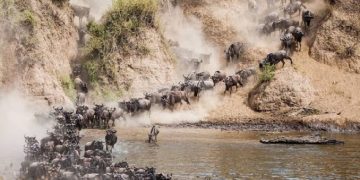
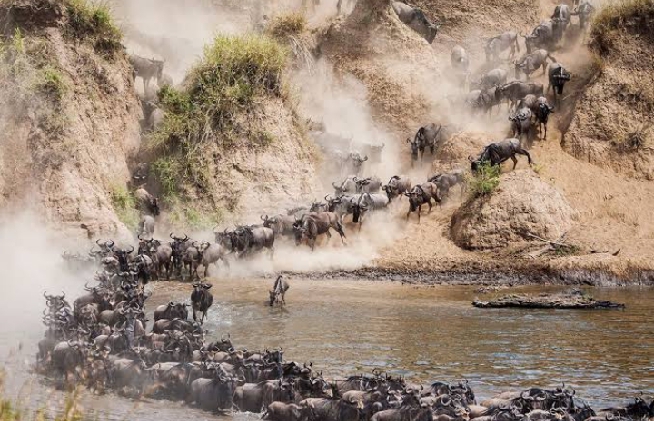
He said the Great Nile Migration Landscape, which includes Boma and Badingilo National Parks and surrounding ecosystems, hosts one of the world’s largest land mammal migrations. African Parks currently manages approximately 110,000 square kilometres of the landscape under an agreement with South Sudan’s Ministry of Wildlife Conservation and Tourism.
The ecosystem supports millions of white-eared kob, tiang antelope and Mongalla gazelles, making it one of Africa’s most significant wildlife strongholds.
European Union Charge d’Affaires to South Sudan Lothar Jaschke reaffirmed the bloc’s support for conservation and climate resilience, describing environmental protection as essential to the country’s long-term development.
“Protecting nature is not a luxury; it is necessary for our survival, our resilience and our prosperity,” he said.
Wildlife Conservation and Tourism Minister Denay Jock Chagor identified bushmeat hunting as one of the greatest challenges facing conservation efforts, urging citizens to help protect the country’s wildlife.
He said South Sudan’s abundant wildlife should be viewed not only as a natural heritage but also as an economic asset capable of generating tourism revenue, creating jobs and supporting national development.
“We want to turn this wonderful gift that God has given us into wealth, into economic prosperity,” Chagor said.
Joseph Ngere Pachiko, Speaker of the Transitional National Legislative Assembly, said lawmakers were working to strengthen wildlife protection laws by introducing tougher penalties for poaching and expanding public awareness campaigns on environmental conservation.
South Sudan is home to vast wetlands, forests and savannahs that support globally important wildlife populations. Conservationists say preserving these ecosystems could boost eco-tourism and provide sustainable livelihoods for local communities, but warn that continued poaching and habitat destruction could erode one of Africa’s last great wildlife frontiers.

Lightning strike kills 14-yar-old student at school
KAMPALA, Uganda — A 14-year-old student has died after being struck by lightning at Nakaswa Secondary School in Mukono District,...