


KAMPALA, Uganda — In a move that places environmental sanitation at the centre of national development, Uganda has introduced a nationwide monthly cleaning programme that will require citizens, institutions and communities to participate in coordinated clean-up exercises every last Saturday of the month.
The initiative, known as National Cleaning Days (NACDs), represents one of Uganda’s most ambitious attempts to transform public cleanliness from an occasional civic activity into a permanent national responsibility.
Beginning July 25, 2026, millions of Ugandans are expected to take part in three-hour community cleaning exercises from 8:00am to 11:00am, targeting streets, markets, drainage systems, public spaces, neighbourhoods and other sanitation hotspots. During the three hours exercise, no movement of vehicles will be allowed apart from emergency vehicles like ambulances among others, the Prime Minister Robinah Nabbanja noted.
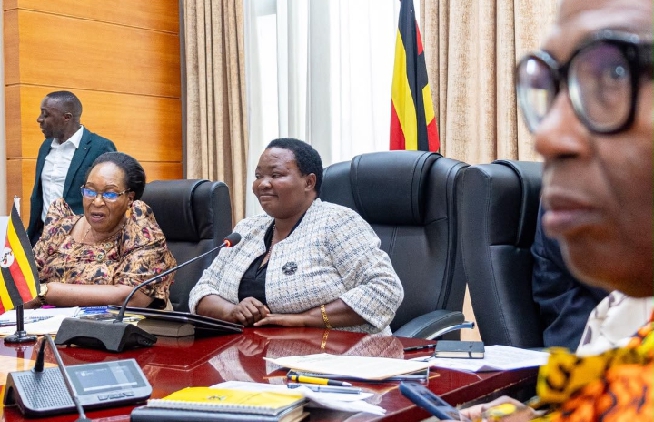 Government officials say the programme is designed not only to remove waste but also to reshape public attitudes towards hygiene, environmental protection and shared responsibility.
Uganda’s decision follows a growing global trend where countries have used organised cleaning campaigns as tools for public health improvement, environmental conservation and civic engagement.
Across the world, national cleaning movements have often emerged in response to urban growth, waste challenges and the need to encourage citizens to take ownership of their surroundings.
One of the most recognised examples is Singapore’s annual National Clean-Up campaigns, which built upon decades of public hygiene initiatives that helped transform the city-state into one of the world’s cleanest urban environments.
In Japan, community cleaning traditions known as souji have long encouraged residents, students and workers to maintain shared spaces, reflecting the idea that cleanliness is a collective cultural responsibility rather than merely a government duty.
In Rwanda, the monthly Umuganda community service programme has become internationally recognised as a model of organised citizen participation, bringing communities together to clean public spaces, maintain infrastructure and support local development projects.
Other countries, including India, through large-scale sanitation campaigns such as the Swachh Bharat Mission, have also used national mobilisation to tackle waste management and improve hygiene standards.
Uganda’s new programme draws from this broader international experience, aiming to create a structured system where sanitation becomes part of everyday national life.
Not new in Uganda
The idea of national cleaning exercises is not new in Uganda.
Over the years, various governments, local authorities, civil society organisations, cultural institutions, and communities have organised sanitation drives aimed at improving urban cleanliness, preventing disease outbreaks and encouraging public participation.
Previous initiatives often focused on specific challenges such as clearing drainage channels, cleaning markets, managing waste in urban centres and responding to public health concerns.
However, many of these campaigns were largely periodic, depending on local leadership, community enthusiasm or specific events.
The new National Cleaning Days framework seeks to change that approach by creating a permanent, nationwide system backed by government structures, reporting mechanisms and institutional accountability.
Officials say the difference is that cleaning will no longer be viewed as a temporary campaign but as a routine part of governance and community life.
Cabinet approval and national coordination
The programme originated from Cabinet Minute No. 246 (CT 2025), adopted during a Cabinet meeting in Entebbe on August 11, 2025.
According to the implementation guidelines, Cabinet approved the initiative to strengthen environmental sanitation, improve waste management, promote hygiene practices and encourage greater civic responsibility.
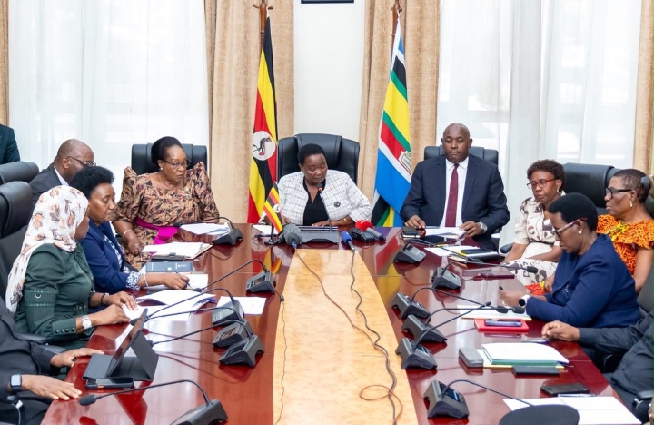
The Office of the Prime Minister will provide overall policy oversight and coordinate implementation through a National Steering Committee.
The Ministry of Health will serve as the technical lead agency, responsible for sanitation standards, hygiene promotion and monitoring the programme’s public health impact.
Political and administrative leaders — including Resident District Commissioners, Resident City Commissioners and local government officials, will support mobilisation and supervision across the country.
A whole-of-society approach
Unlike previous voluntary clean-up efforts, the new framework places expectations on nearly every section of society.
Government ministries, schools, businesses, religious institutions, cultural leaders, civil society organisations and ordinary citizens are all expected to participate.
The programme adopts what officials describe as a “Whole-of-Government and Whole-of-Society” approach, bringing together state institutions and communities under a single sanitation strategy.
Schools will incorporate sanitation education and participate in cleaning exercises, while businesses are expected to support waste management, recycling and environmental initiatives.
Religious and cultural institutions will help mobilise communities, while civil society organisations will contribute through awareness campaigns and behaviour-change programmes.
Ministries responsibilities
The guidelines assign responsibilities across government.
The Ministry of Water and Environment will oversee environmental sanitation standards and sustainable waste management practices.
The Ministry of Local Government will ensure districts and municipalities include National Cleaning Days in their plans and budgets.
The Ministry of Education and Sports will coordinate participation by schools, while the Ministry of Works and Transport will focus on roads, drainage systems and public infrastructure.
The Ministry of Trade will encourage private-sector involvement in recycling and waste management, while the Ministry of ICT and National Guidance will lead communication campaigns.
Security institutions will provide support where necessary, including assistance in managing hazardous waste and maintaining public order.
Cities and Communities at the Centre
Local governments will carry much of the responsibility for implementation.
Districts, municipalities, cities, town councils and sub-counties will identify sanitation challenges, organise community activities, support waste collection and enforce existing sanitation regulations.
Urban areas, particularly Kampala, will serve as important testing grounds for the programme.
Kampala Capital City Authority has been tasked with developing sanitation practices that can be adopted by other urban centres.
Despite the scale of the programme, government has indicated that no separate funding allocation will be released for National Cleaning Days during the 2026/27 financial year.
Instead, ministries, government agencies and local authorities will finance activities through existing budgets, while additional support will come from development partners, private companies and community contributions.
Officials argue that integrating sanitation into existing government programmes will make the initiative more sustainable.
The programme introduces strict monitoring requirements.
Government institutions and local authorities will be required to submit monthly reports detailing participation levels, waste collected, sanitation improvements and other indicators.
Reports will include photographic evidence showing conditions before and after cleaning activities.
Performance in implementing National Cleaning Days will also influence evaluations of senior government officials, including accounting officers and local government leaders.
Annual awards will recognise institutions and communities that demonstrate outstanding commitment to environmental cleanliness.
Beyond cleaning
Government officials say the programme is ultimately about more than removing rubbish.
Poor sanitation remains closely linked to public health challenges, including preventable diseases caused by unsafe environments, inadequate waste disposal and poor hygiene practices.
By promoting cleaner communities, authorities hope to reduce health risks, lower household medical costs, improve productivity and support long-term economic development.
The success of Uganda’s National Cleaning Days, however, will depend on whether participation becomes a lasting habit rather than a government-led obligation.
As the country prepares for its first nationwide exercise, Uganda is positioning sanitation not simply as a municipal responsibility, but as a national movement, one that places every citizen at the centre of creating cleaner and healthier communities.