





Uganda has recorded improved learning outcomes at lower secondary level under the Competency-Based Curriculum (CBC), according to the 2025 National Assessment of Progress in Education (NAPE) report released by the Uganda National Examinations Board (UNEB). However, education officials have warned that gaps in the implementation of the curriculum could undermine learners’ progress if left unaddressed.
The assessment is the first nationwide evaluation of learner achievement since the Competency-Based Curriculum was introduced in 2020 and the first secondary-level NAPE assessment in more than a decade, following the previous survey conducted in 2014.
The study assessed more than 8,000 Senior Two learners from 275 schools across Uganda in Mathematics, English Language and Biology, providing the first comprehensive picture of how students are adapting to the new curriculum.
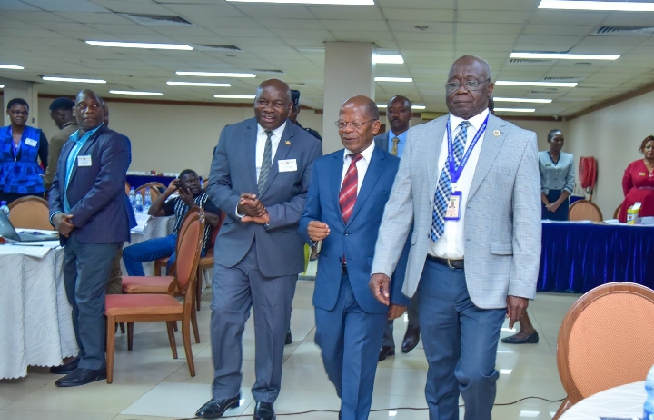
UNEB Executive Director Dan Odongo said the findings offer valuable evidence on the impact of the curriculum reforms and will help education stakeholders identify areas requiring urgent intervention before learners progress to Senior Four.
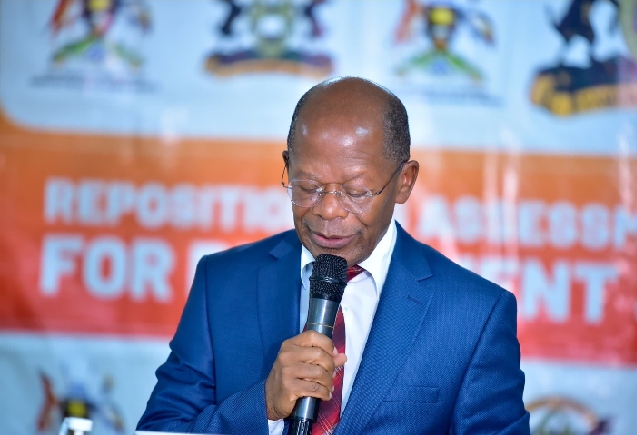
Launching the report, the State Minister for Higher Education and Acting Minister of Education and Sports, Dr J.C. Muyingo, welcomed the overall improvement in learner performance compared with the 2014 assessment.
Muyingo attributed the gains to sustained government investment in the education sector, including the recruitment of additional teachers, construction of classrooms and improved teachers’ remuneration.
Despite the progress, the minister expressed concern over inconsistent implementation of the Competency-Based Curriculum in some schools.
He said some institutions continue teaching beyond the prescribed timetable, while others delay project-based learning until Senior Three instead of introducing it in Senior One as required under the curriculum guidelines.
Muyingo urged schools to fully implement the curriculum as designed to ensure learners acquire the intended competencies before completing lower secondary education.
While presenting the assessment findings, UNEB Principal Research Officer Kennedy Juma Nyal said the report highlights both progress and persistent learning challenges.
According to the report, only 45.6% of learners achieved the minimum proficiency level in Biology, while just 26% demonstrated the expected listening skills in English Language.
The assessment also found that girls continued to perform below boys in Mathematics and Biology.
Learners in urban schools outperformed their counterparts in rural areas, while students with Special Education Needs continued to face significant challenges, particularly in Mathematics and Biology.
UNEB said the findings will guide targeted interventions aimed at closing learning gaps before learners sit their Senior Four examinations.
The Ministry of Education and Sports has also pledged to continue conducting regular national assessments to generate timely evidence for improving the quality of education across Uganda.