

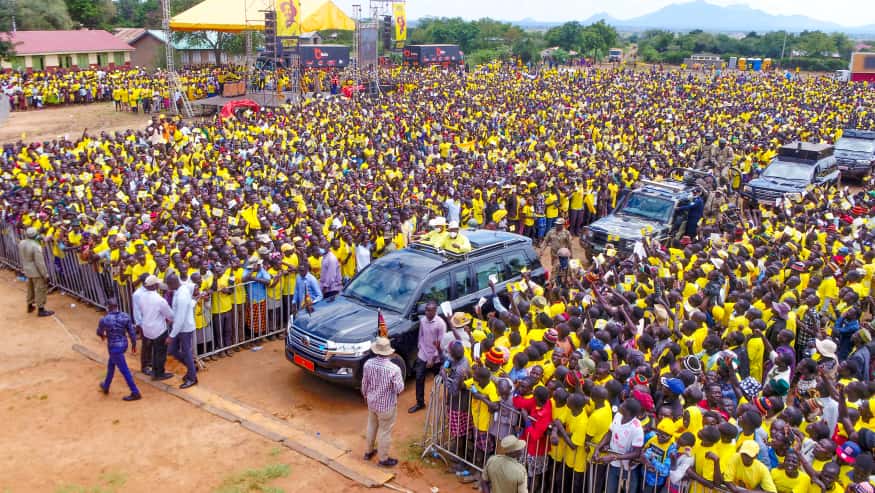
KOTIDO – The National Resistance Movement (NRM) Presidential candidate, General Yoweri Kaguta Museveni, has said that the disarmament of the Karacunas (youth warriors) in Kotido District and the wider Karamoja sub-region has created a strong foundation for peace, development, and wealth creation. He urged residents to take advantage of the prevailing stability to improve their livelihoods.
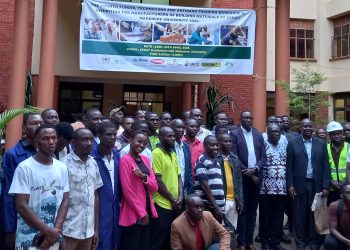
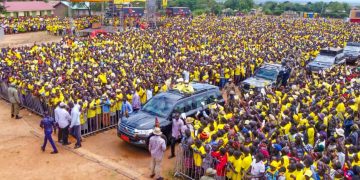
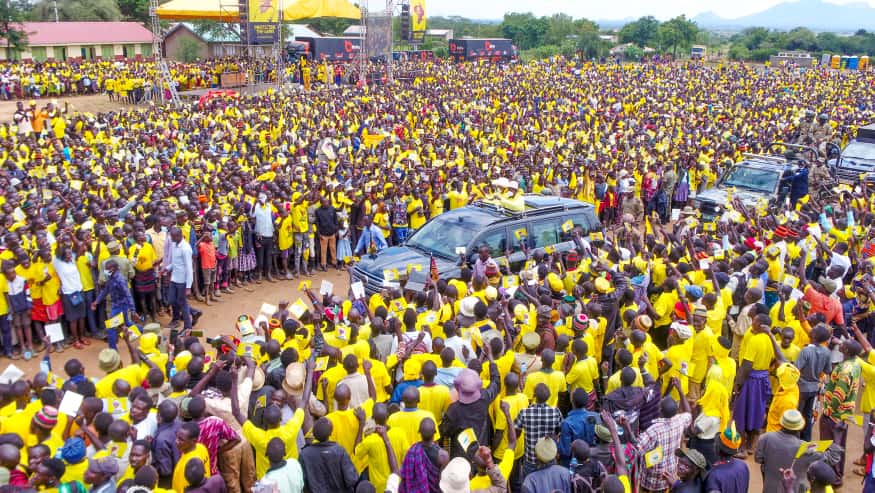
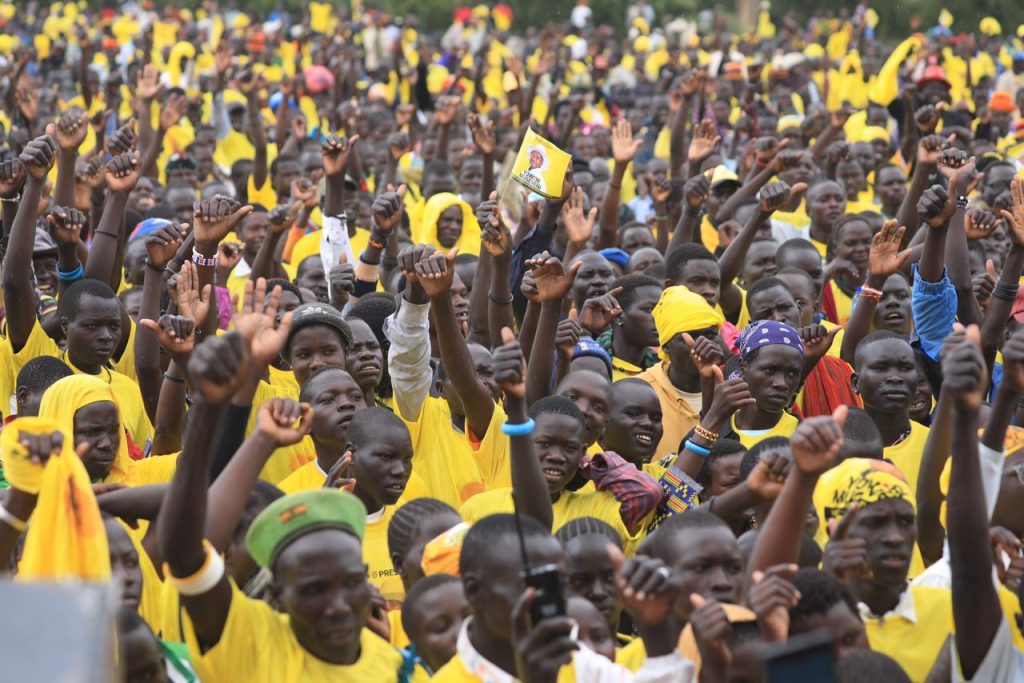
Addressing supporters at Lomukura Primary School playgrounds in Kotido District, President Museveni recounted the challenges faced during the disarmament exercise.
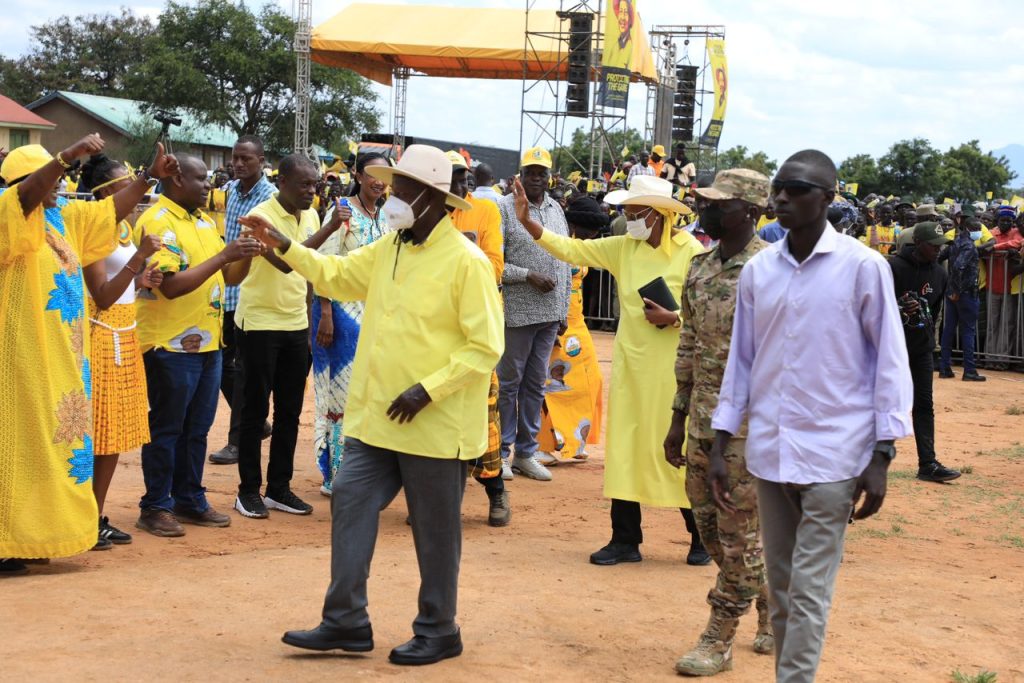 “Some people were saying, ‘No, we cannot remove the guns in Karamoja because there are still guns in Turkana, Topotha, Ethiopia, Somalia, and Pokot. We must keep our guns so that there is a balance of terror, they kill us, and we kill them.’ But I told them, ‘As for me, I want to go to heaven. I’m not working for you; I’m working to go to heaven, not to hell,’” he said.
He explained that as a leader, it would be sinful to allow people to continue killing one another. “If I all you to keep guns and you kill each other, what will I tell God when I go to heaven? That’s why I told the Karamojong to hand over their guns. I promised to defend them against the Turkana and Topotha, and now, you can see the results,” President Museveni added.
 The President also recalled how rampant violence had affected communities before the disarmament. “There was a woman in Nakapiripirit who had been married to nine husbands, all of whom were killed in raids. I am very grateful to the Karamoja elders, women’s peace groups, and all others who supported this cause,” he said.
Museveni expressed disappointment in some leaders and security personnel who, he claimed, had benefited from the insecurity in Karamoja and treated it as their “cash cow.” He attributed much of the historical instability in the region to the divisive, sectarian politics of past regimes based on tribe and religion, adding that the NRM had reversed that trend.
Infrastructure and Development Projects
President Museveni announced plans for major infrastructure projects in Kotido District in his next term, including the construction of key tarmac roads such as the Kitgum–Moroto–Kotido and Moroto–Kotido–Kaabong routes. He emphasized that the most critical road networks would be prioritized.
He also revealed plans for mass electrification across Kotido and the wider Karamoja sub-region to drive industrialization and transform the area into a regional industrial hub. Museveni said ongoing and upcoming factory projects are already creating jobs and improving livelihoods.
Water and Agriculture Initiatives
The President pledged to expand access to clean water beyond the 125 villages already covered, through piped water systems, boreholes, valley dams, and solar-powered irrigation projects. Current developments include two new valley tanks and the Nataba Dam shared by Kaabong and Kotido districts—along with several high-yield boreholes and small-scale irrigation schemes.
Museveni noted that Kotido District currently has about 25% safe water coverage, with 125 of its 491 villages already served. The remaining villages, he said, would be included in the next district water plan.
Health and Education Improvements
The NRM presidential candidate also confirmed plans to expand Kotido General Hospital and upgrade several health centers from Health Centre II and III levels to higher capacities. These upgrades will cover both the Northern and Western divisions of the district.
Additionally, Museveni reiterated his government’s commitment to building more schools, in line with the policy of establishing one primary school per parish and one secondary school per sub-county. He called on residents to support the NRM’s free universal education program and to take advantage of opportunities provided by the Presidential Zonal Industrial Skilling Hubs.