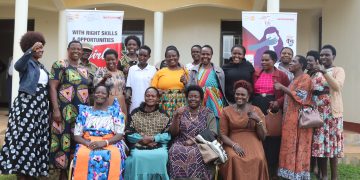



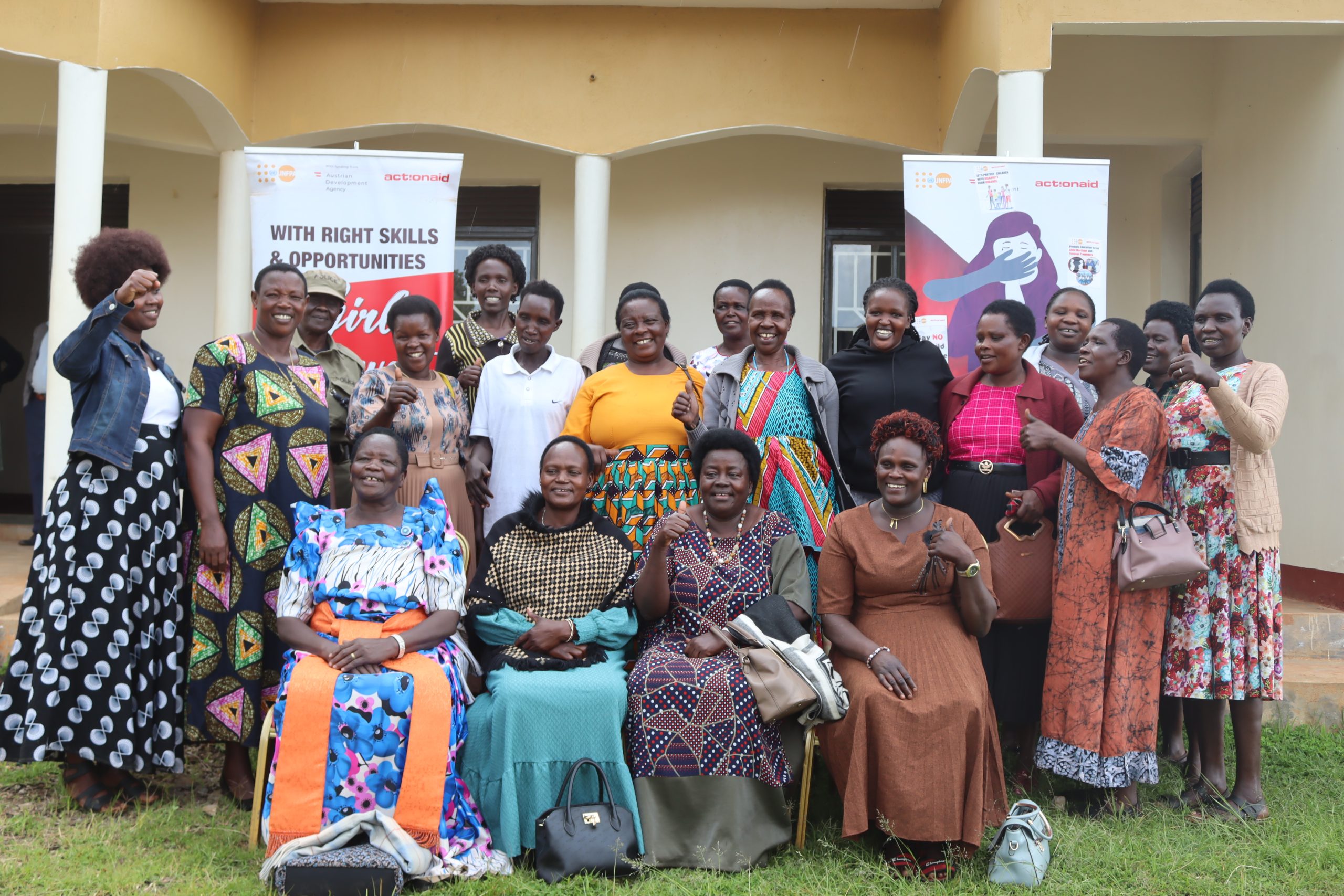
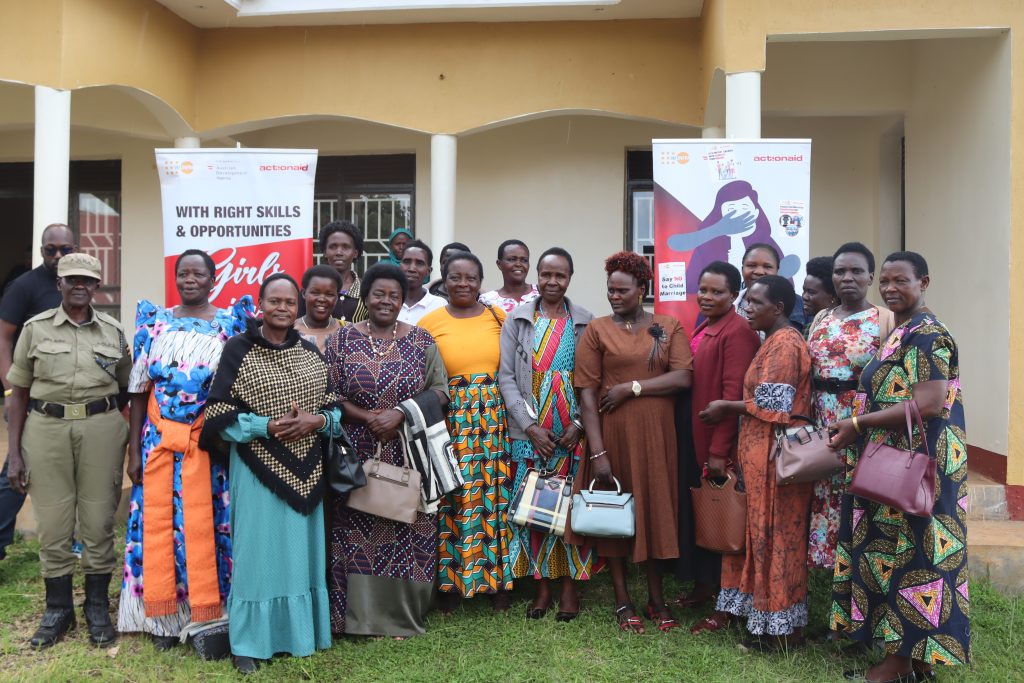
KWEEN DISTRICT, UGANDA –Women leaders from the Sebei Sub-region—including spouses of cultural leaders, politicians, cultural institution representatives, and influential community role models—gathered for a high-level dialogue at the Kween District Local Government offices, where they pledged their commitment to ending Female Genital Mutilation (FGM) and other harmful cultural practices.
The meeting organised by Action Aid International Uganda with Support from UNFPA was led by Joseline Kiisa, the wife of His Majesty, the cultural leader of the Sebei people. She expressed optimism that, with donor support, a united and well-organized women’s movement could effectively advocate for the elimination of FGM and gender-based violence (GBV).
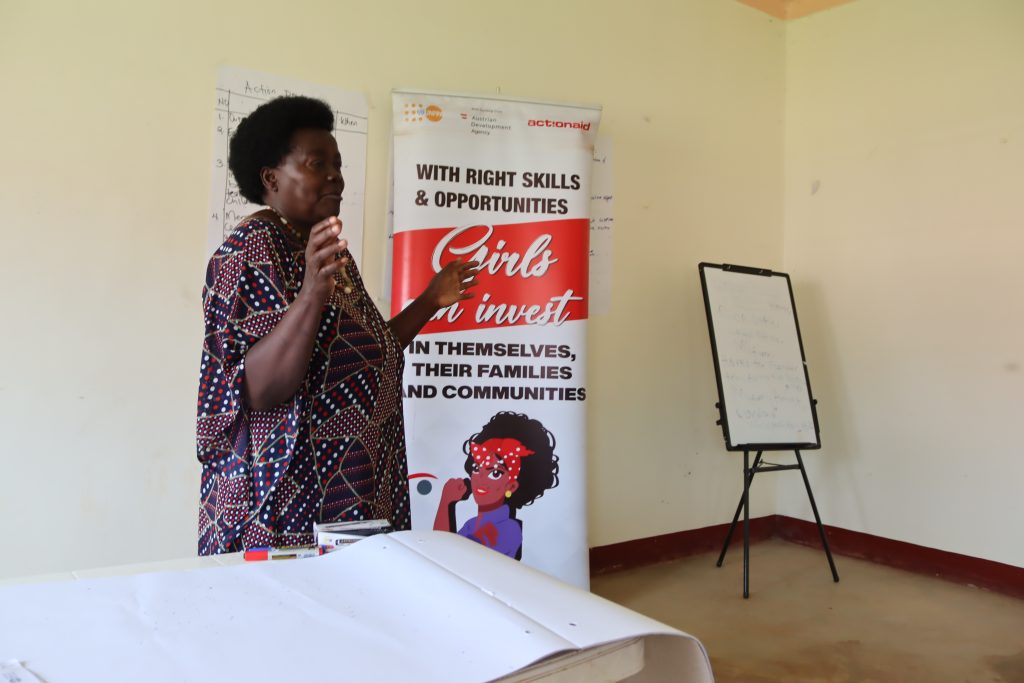
“I’m truly grateful for the opportunity, through Action Aid International Uganda, to engage with fellow female leaders on key issues affecting our communities—especially FGM, GBV, and harmful cultural norms,” said Kiisa. “We must recognize the influence of the family unit, which is deeply rooted in our cultural institutions, particularly the clan structures.”
She highlighted the critical role of the clan system in addressing family and gender-related challenges. “The family is the foundation of our society, and the clan leaders—who exist from the village to the regional level—serve as the first point of contact for resolving issues like GBV and FGM. Strengthening these traditional structures could lead to faster, more culturally sensitive responses,” she explained.
Inclusion of the Boy Child in Gender Interventions
Another key issue raised during the dialogue was the neglect of the boy child in gender-focused programs. The leaders acknowledged that while earlier interventions rightly focused on empowering the girl child—especially in the face of longstanding marginalization—this has inadvertently left boys behind.
“We come from a culture that historically marginalized girls, so most interventions were girl-focused. Over time, however, we’ve seen the unintended consequence of boys being left behind. Girls are progressing in education and social status, while boys are struggling. We cannot empower one and neglect the other,” some participant emphasized.
The women agreed that future family well-being depends on balanced empowerment for both girls and boys. “A healthy family requires both an empowered girl and an empowered boy. Leaving out the boy child undermines the very family unit we are trying to support,” Kiisa said.
Call for a Unified Women’s Movement
The formation of a powerful women’s movement across the Sebei Sub-region. According to Kiisa and other leaders, such a movement would amplify advocacy efforts, strengthen partnerships with donors, and create consistent, widespread impact across communities.
“We’ve had many isolated workshops and dialogues like this one,” Kiisa said. “But we need to come together as a coordinated force—simultaneous action across the region. The funding is out there. We just need to organize ourselves and demonstrate our strength.”
The leaders believe that with proper support, coordination, and funding, the envisioned women’s movement will not only challenge harmful cultural norms but also promote inclusive, community-led
During the meeting Ms. Chelengat Priscilla, the female youth counselor for Kween District, emphasized the urgent need for inclusive community involvement in the fight against Female Genital Mutilation (FGM) and Gender-Based Violence (GBV). Speaking on key action points for community development and youth empowerment, she outlined several strategic priorities.
Engaging Men in Ending FGM
Priscilla stressed that the fight against FGM must include men. “We need to involve men in addressing FGM. Everyone should participate so that we can eliminate stigma and create safer, more supportive homes,” she said.
Sensitization on Gender-Based Violence
She called for increased community outreach to educate people about the dangers of GBV. “Through our Gender-Based Programming (GBP), we must continue sensitizing communities and raising awareness to prevent GBV and its lasting impacts,” she noted.
Youth Involvement and Inclusive Decision-Making
Highlighting the importance of youth participation, Priscilla advocated for young people to take the lead in championing change. “Youth should be involved in everything—from budgeting processes to advocacy. When they take ownership, they can be powerful voices against GBV and FGM,” she said.
She also emphasized inclusiveness in decision-making, urging that people with disabilities and the elderly be brought on board. “When everyone contributes to solutions, the entire society benefits.”
Youth-Friendly Corners and Reproductive Health
Priscilla called for the establishment of more youth-friendly spaces where young people can access accurate information and services related to sexual and reproductive health. “These corners will empower youth to openly seek contraceptives and family planning services. This will protect them from HIV, STIs, and other health risks.”
Promoting Antenatal Care and Respectful Health Services
She also encouraged women to attend antenatal care regularly and urged health workers to create a friendly and respectful environment. “When women feel mistreated, they fear returning for services. But if we train and support them, they can also become champions in the fight against GBV,” she said.