


GROW PROJECT: Access to finance and skills development are two of the most decisive factors in whether women-owned businesses merely survive or truly grow. Under initiatives like the GROW Project, these elements are treated as core pillars because they directly address structural barriers that have historically limited women entrepreneurs.
Access to finance is often the first major hurdle. Many women entrepreneurs operate in the informal sector, lack collateral, or face bias from traditional lenders. Without affordable credit, it becomes difficult to invest in better equipment, expand inventory, hire staff, or enter new markets. Programs like the GROW Project aim to bridge this gap by offering tailored financial products, credit guarantees, and links to financial institutions. When women gain access to capital, the impact tends to ripple outward—businesses grow, incomes stabilize, and households benefit through improved education, nutrition, and healthcare.
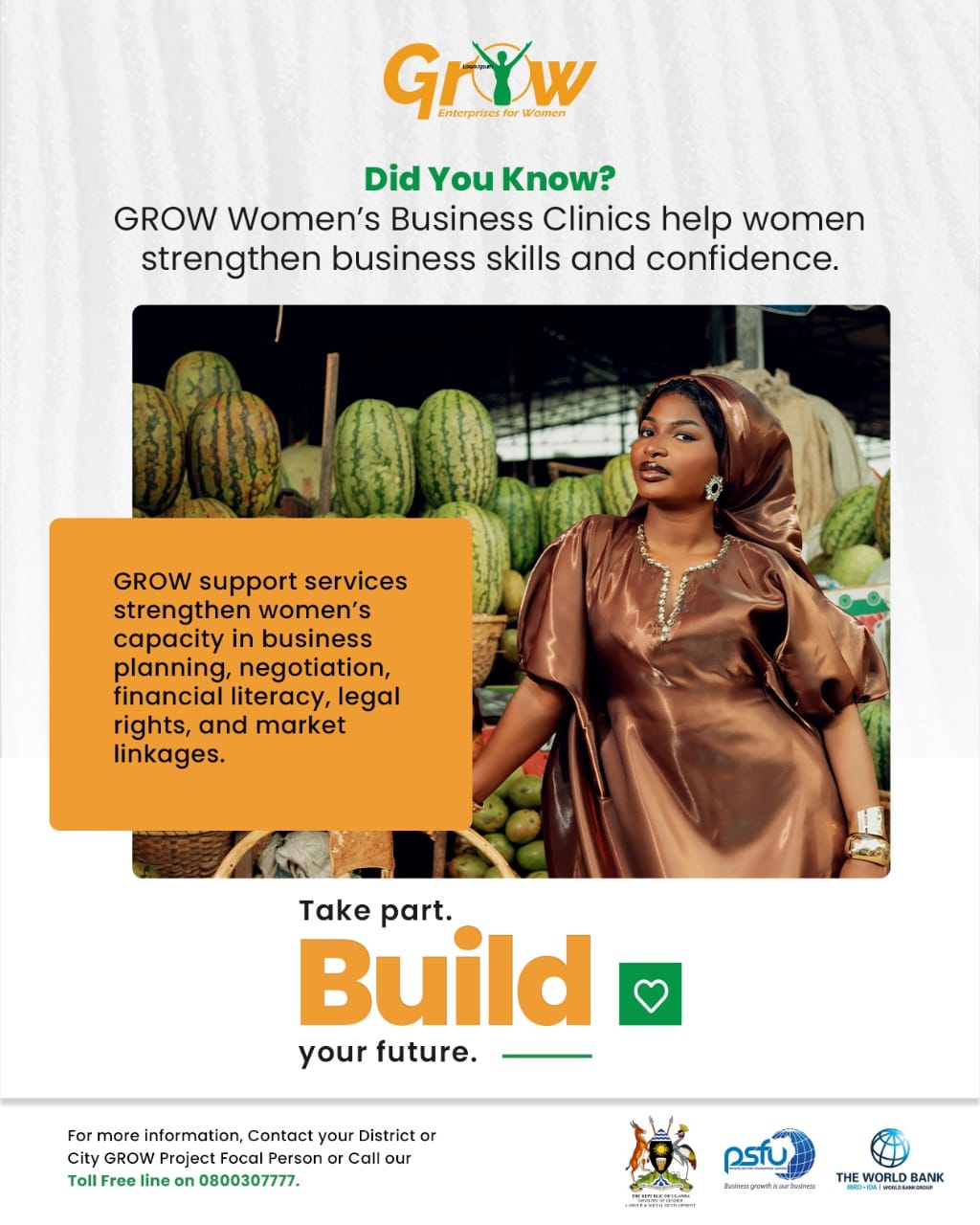
But money alone isn’t enough. Skills development is what turns capital into sustainable growth. This includes business management training (like bookkeeping, pricing, and planning), technical skills specific to their trade, and even soft skills such as negotiation and leadership. Many women entrepreneurs haven’t had equal access to formal training opportunities, so structured programs under GROW help level the playing field. With stronger skills, women can make informed decisions, adapt to market changes, and compete more effectively.
What makes the combination powerful is the synergy between the two. Finance without skills can lead to mismanagement, while skills without finance limit the ability to act on knowledge. Together, they unlock productivity and innovation. For example, a woman who learns digital marketing and also has access to a small loan can expand from a local customer base to online markets—something neither resource could achieve alone.
Finally, there’s a broader economic angle. Supporting women entrepreneurs through initiatives like the GROW Project doesn’t just benefit individuals—it contributes to job creation, economic diversification, and poverty reduction at the community and national levels. In many developing economies, women reinvest a larger share of their earnings into their families and communities, amplifying the long-term impact.