



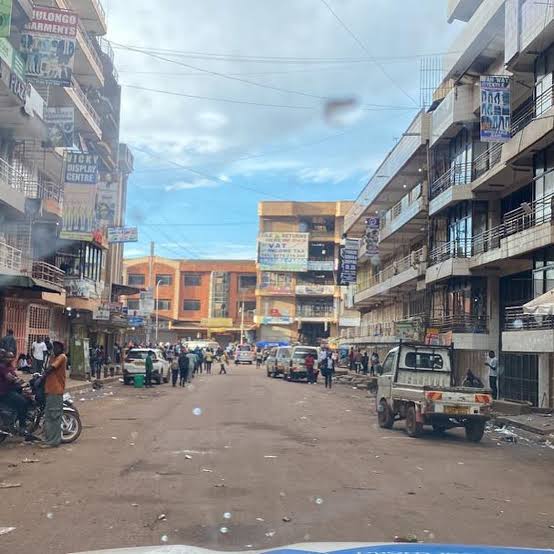
Cabinet of Uganda has reignited a controversial nationwide crackdown on informal trade, ordering the immediate resumption of trade order enforcement operations in a move set to reshape urban commerce and livelihoods.
The decision, reached during a high-level cabinet meeting at State House in Entebbe on Monday, April 27, 2026,:signals government’s renewed push to formalize business activity across the country after a temporary pause triggered by mounting pressure from religious groups and traders’ associations.
Addressing journalists at the Uganda Media Centre in Nakasero, a Kampala Surburb, the Local Government Minister, Raphael Magyezi confirmed that Cabinet had lifted the suspension and directed authorities to proceed with enforcement as originally planned.
Magyezi underscored the urgency of restoring what officials describe as order and structure in Uganda’s trading environment.
The halt in enforcement had been granted to allow consultations after petitions from Pentecostal and born-again churches, alongside trader groups, who argued they needed more time to adjust.
But government now appears determined to press ahead, warning that further delays could undermine earlier gains.
From a business perspective, the directive marks a significant policy shift aimed at accelerating the transition from informal to formal trade systems.
Authorities say the enforcement will compel traders operating on streets, walkways, and other undesignated spaces to relocate to gazetted markets and approved commercial zones. Magyezi emphasized that stricter regulation will also target public health risks, including the sale and preparation of food in unsanitary conditions such as drainage channels and sewer lines.
Meanwhile, Minsa Kabanda, the Minister for Kampala Metropolitan Affairs, stressed that the capital, Kampala, will be central to the renewed crackdown, being the face of the country.
She stressed that the progress made cannot be reversed. Even as enforcement resumes, the government is attempting to soften resistance by ramping up public sensitization campaigns and stakeholder engagement.
Officials say task forces will work closely with local leaders and trader representatives to ensure smoother implementation.
For businesses and investors, the policy signals a tightening regulatory environment but also a potential boost in urban organization and sanitation standards.
This also raises uncertainty of informal traders, For thousands of informal traders, over displacement, compliance costs, and access to formal trading spaces like markets.