


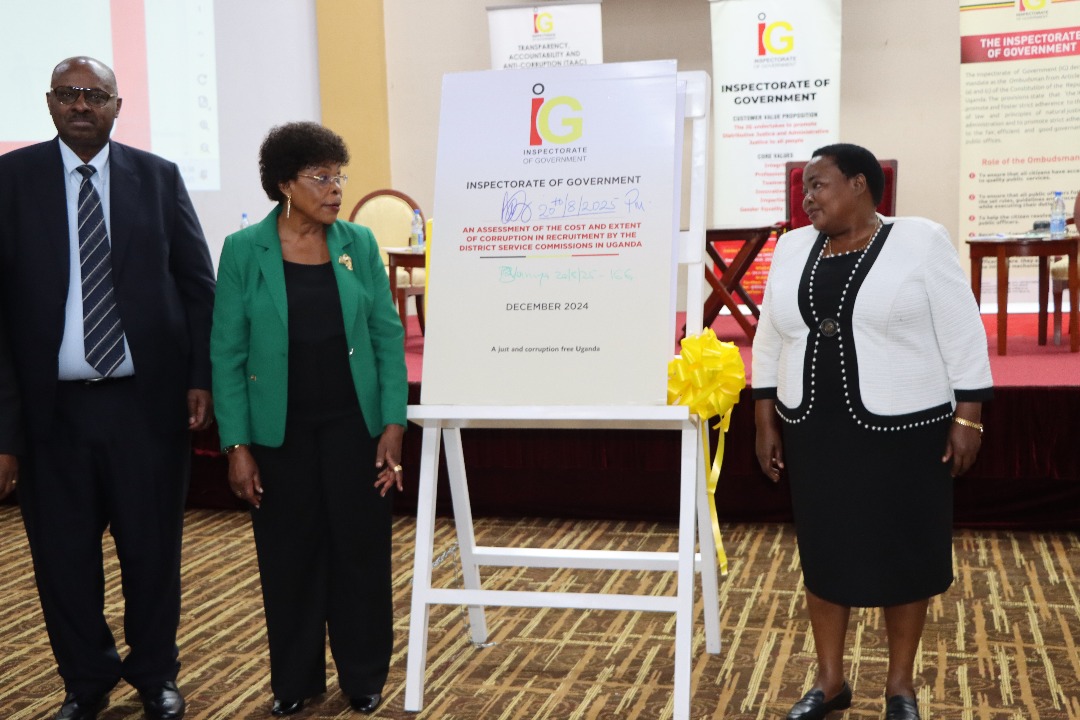
Kampala, Uganda — Prime Minister Rt. Hon. Robinah Nabbanja, on behalf of President Yoweri Museveni, has officially launched a damning report exposing widespread corruption in the recruitment processes of Uganda’s District Service Commissions.
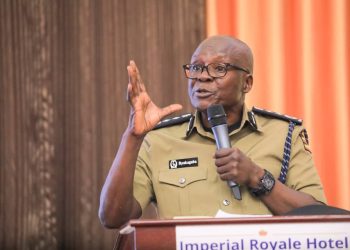
The launch took place on Wednesday at Hotel Africana in Kampala, where the findings were presented by the Inspectorate of Government, led by IGG Beti Kamya.
The report reveals that over 35% of public servants in Uganda paid bribes to secure their positions—raising serious concerns about competence and service delivery across government institutions.
The report, which followed a comprehensive investigation into the financial and social costs of corruption in local government hiring, estimates that job seekers were asked to pay over UGX 78 billion in bribes, with UGX 29 billion actually changing hands.
According to the findings:
- Bribes for entry-level positions averaged UGX 3 million
- Senior-level district jobs cost as much as UGX 40–50 million
- The education sector was the most affected, accounting for UGX 36.9 billion of the bribe total
IGG Kamya recounted that some applicants even borrowed funds from banks or SACCOs to pay for jobs, expecting to “recover” the money through inflated contracts once in office.
“Someone showed us loan documents of Shs 30 to 40 million taken just to buy a job,” Kamya said. “District engineers, for example, know they can recover it from a single contract.”
She warned that such practices are undermining the quality and safety of public projects: “If someone buys a job they are not qualified for, is it any wonder when a newly built school collapses months after completion?”
Massive Losses and Damaged Trust
Uganda loses an estimated UGX 10 trillion annually to corruption-related practices, the report shows. The costs include poor infrastructure, delayed projects, weak social services, diminished investor confidence, and even loss of life.
Uganda’s poor ranking on Transparency International’s Corruption Perceptions Index (CPI) 2024 further reflects the crisis, placing the country 140th out of 180 globally, with a dismal score of 26 out of 100.
Political Influence and Systemic Rot
The report also highlights political interference in recruitment, with some district chairpersons allegedly rewarding allies with jobs, further eroding the merit-based hiring process.
Herbert Otim, Chairperson of the District Service Commission in Kapelebyong, pointed to the Chief Administrative Officers (CAOs) as powerful, often-overlooked players in the corruption chain.
“The CAO controls the payroll, budget, and transport. It’s not easy to talk about, but they are central to this problem,” Otim said.
Permanent Secretary of the Ministry of Local Government, Ben Kumumanya, criticized the culture of silence surrounding corruption: “People give money, keep quiet, and pretend nothing happened. Today’s takeaway is this—let people speak out.”
Call for Reforms
Prime Minister Nabbanja, relaying President Museveni’s message, urged stakeholders to use the report as a blueprint for reforming Uganda’s public service hiring systems.
“Integrity must be restored. This report must guide the development of a recruitment process rooted in merit, not money or political loyalty,” she said.
Over the past three years, more than 400 public officers have been dismissed for fraudulent recruitment—276 of whom were interdicted and referred to their respective District Service Commissions for disciplinary action.
As the nation reels from the findings, the call for urgent, sweeping reforms to the recruitment process grows louder, with both civil society and government institutions demanding change to protect the integrity and future of Uganda’s public service.