


The rangers who usually scan Tsavo’s wild terrain for poachers found themselves facing a very different emergency: the race to find a missing 12-year-old boy.
The child, from a local community, had been gone for three days after disappearing into the vast northern reaches of the landscape, and hopes of finding him safe were beginning to fade.
Once the alert came through from the Kenya Wildlife Service, the SWT/KWS Umbi Anti-Poaching Team sprang into action.
A fixed-wing aircraft was sent to support the search, circling above dense vegetation that severely limited visibility on the ground. From the air, the pilot helped steer ground teams along likely herders’ paths and toward areas that might reveal a trace of the boy’s movements.
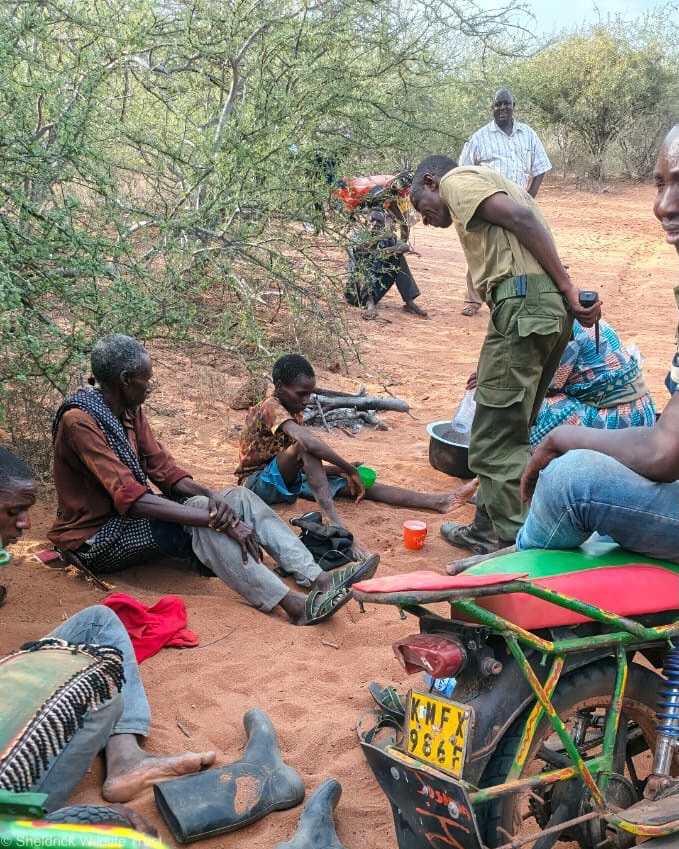
That trace finally appeared as a single fresh footprint. The rangers read the ground with the same precision they use to track poachers, noticing the faintest disruptions, a shifted pebble, a bent twig, the lightest scuff in the soil. Step by step, they followed the trail north for an extraordinary 22 kilometres.
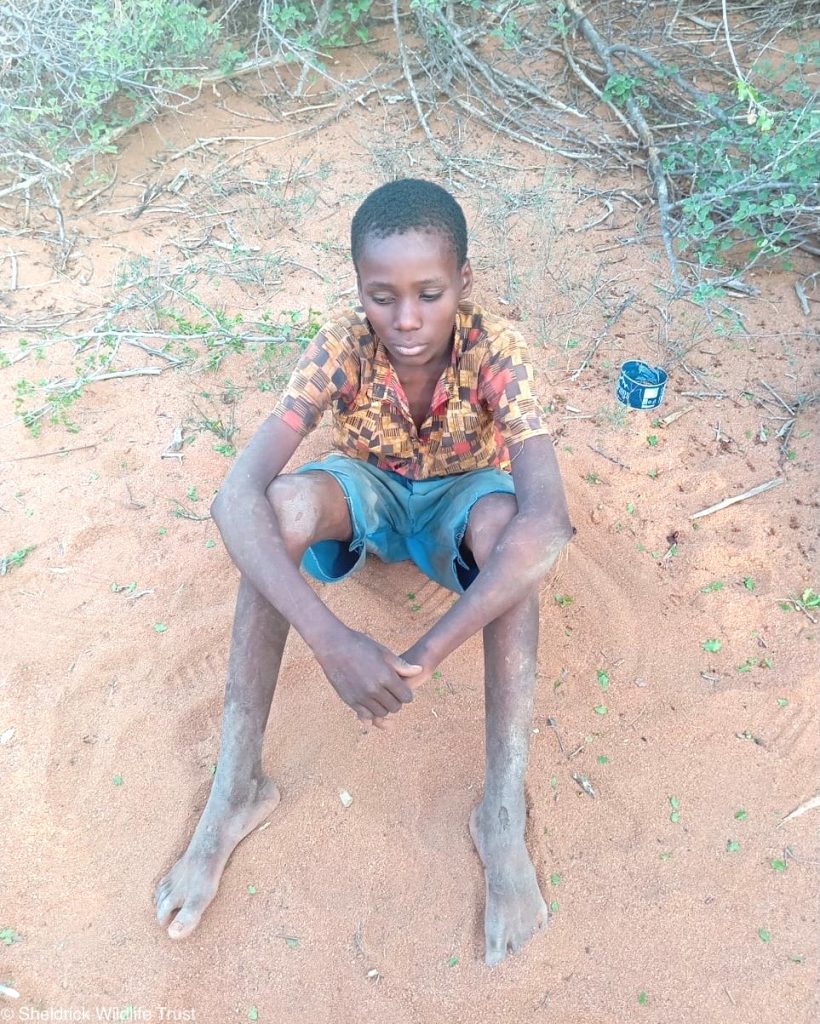
At last, they found the boy. Dehydrated, exhausted, but miraculously unharmed, he was brought back to safety and reunited with his family, ending a tense and emotional three-day ordeal.
The operation drew on the full strength of SWT’s field resources, from the hours in the air to the long distances covered on foot and by vehicle.
Although the Anti-Poaching Teams are primarily tasked with protecting wildlife and securing the landscape, their work often reaches far beyond patrols.
They play vital roles in orphan rescues, firefighting, veterinary emergencies, and, as this mission so powerfully showed, saving human lives when it matters most.