


KAMPALA, Uganda : A new push to unlock financing for Uganda’s creative sector has begun, as industry players, policymakers, and financial institutions convene to explore how intellectual property (IP) can be used as collateral for bank loans.
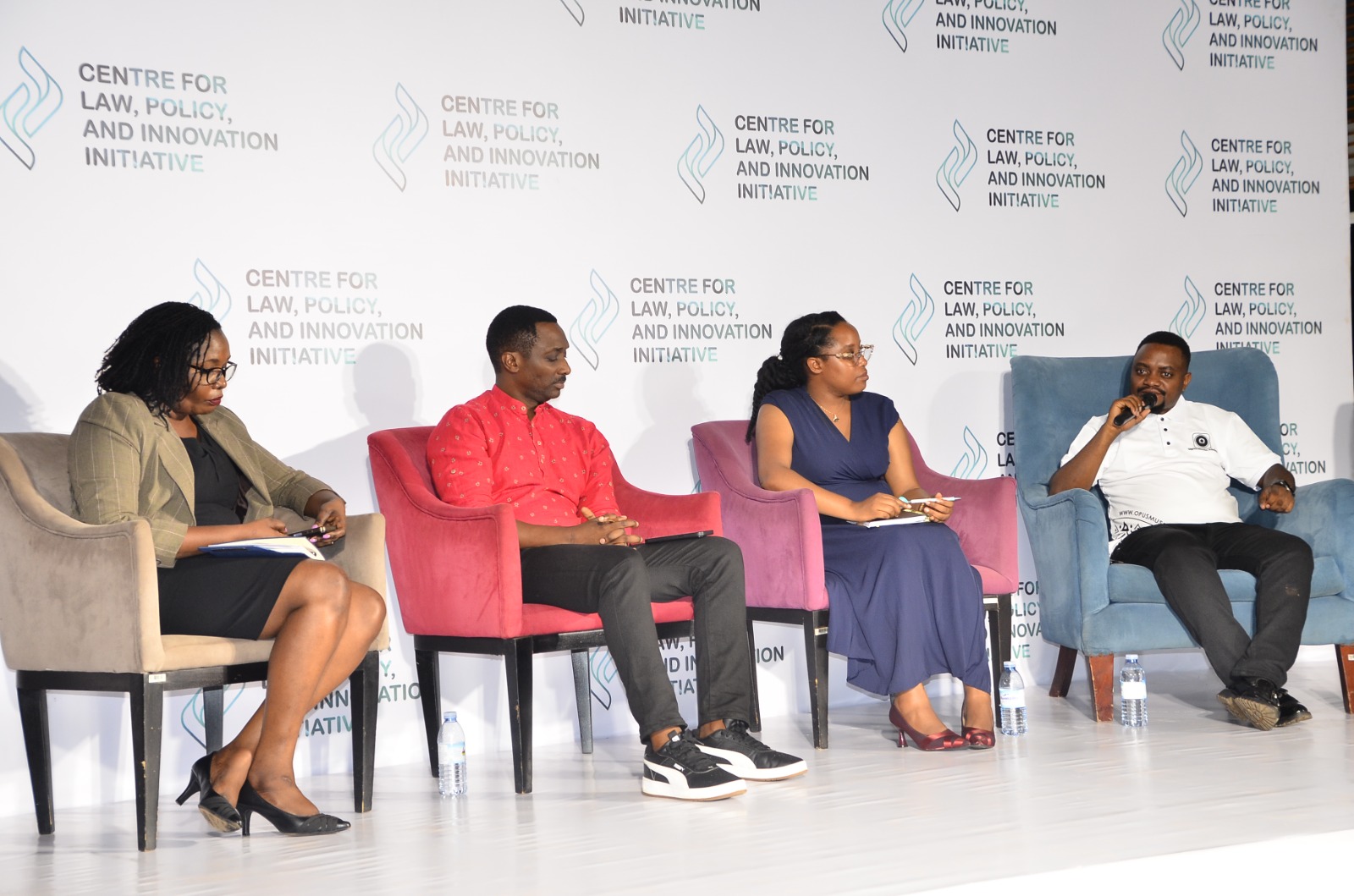
The dialogue, organized by the Centre for Law, Policy and Innovation Initiative in partnership with the Africa Creatives Alliance, brought together filmmakers, musicians, and financial experts at MoTIV in Kampala.
At the heart of the discussions is a long-standing challenge, that is limited access to financing for creatives despite the sector’s growing contribution to Uganda’s economy.
Nalubega Vannessa, a research assistant and policy coordinator at the Centre, said the initiative aims to bridge the gap between creatives and key stakeholders such as government and financial institutions.
“We want to ensure that creatives are not just having conversations, but building sustainable businesses,” she said. “How do you take an idea, grow it into something tangible, and turn it into a source of income that can support you long term?”
She emphasized the need for policy reforms to create an enabling environment where intangible assets like IP—such as songs, films, and artwork can be recognized as collateral, similar to traditional assets like land or vehicles.
“Banks are naturally risk-averse,” she noted. “So the question becomes: how do you convince a lender to accept something they cannot see or touch, yet still trust that it has value and can generate returns?”

Uganda’s creative economy, largely driven by youth, has seen rapid growth in areas such as film, music, fashion, and visual arts. However, many creatives remain locked out of formal financing due to lack of traditional collateral.
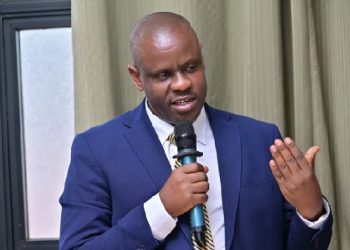
Mathew Nabwiso, president of the Producers Guild of Uganda, said the conversation is timely and critical.
“One of the biggest challenges in the creative industry is funding,” he said. “We are trying to show financial institutions that intellectual property is our asset. If I create a film or a series, that is my property just like land or a house.”
Nabwiso added that with proper planning, creative projects can deliver returns faster than traditional sectors.
“With the right marketing and distribution strategy, a film or audiovisual product can generate returns in weeks or months,” he explained. “This is not a new concept, globally it’s already working elsewhere.”
Creatives also pushed back against perceptions that the sector is unreliable.
Angel Kabera, a spoken word artist, urged financial institutions to rethink their approach.
“Banks need to see that they are not doing creatives a favor,” she said. “There is real value here. The conversation must shift from ‘help us’ to ‘invest in a viable sector.’”
Experts highlighted that one of the key barriers is lack of structured and visible data on creative earnings.

Geoffrey Ekongot, Executive Director at Uganda Musicians Association noted that while creatives often have consistent income streams from platforms like Spotify, YouTube, and live performances—these are rarely aggregated in ways banks can assess.
“The issue is visibility,” he said. “Lenders want predictable income. What we are doing is building systems that aggregate and verify this data, so banks can confidently determine how much to lend.”
Ekongot proposed a structured model where creatives can stake portions of their IP such as selected songs or projects rather than entire catalogs, with repayment supported by ongoing revenue streams.
From the financial sector, Karen Kwikiriza of Numida pointed to the growing role of data-driven lending.
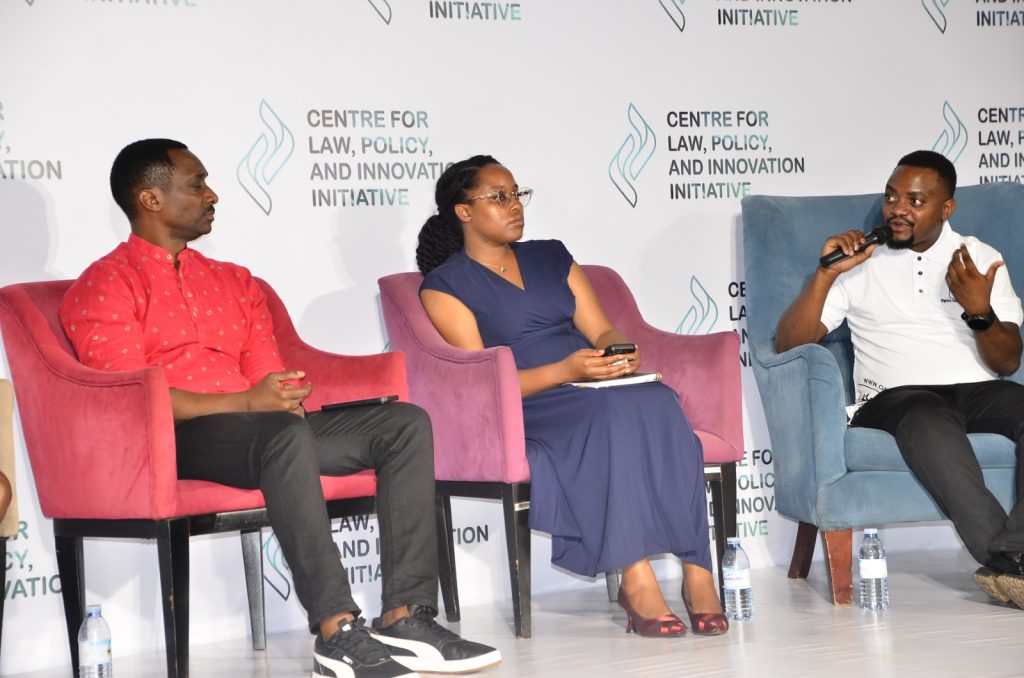
“If creatives can show their earnings data—streams, views, performance income—that becomes a basis for lending,” she said. “Data is the new collateral.”
She added that such models could reduce reliance on traditional paperwork and open access to credit for more young entrepreneurs.
Organizers say the dialogue will not end with discussions. Plans are underway to form a working group comprising creatives, financiers, and policymakers to design practical financial products tailored to the sector.
The group will also engage government on policy reforms needed to support IP-backed lending.
“This is just the beginning,” Vannessa said. “We want to move from ideas to actual financial solutions that will allow creatives to access capital, grow their businesses, and fully contribute to Uganda’s economy.”