





LYANTONDE DISTRICT — A major milestone in Uganda’s agro-industrialisation journey was marked with the official unveiling of the transformed Katebe Farm in Lyantonde District. The upgrade was spearheaded by the Engineering Development and Innovation Centre (EDiC) under the Science, Technology and Innovation Secretariat, Office of the President (STI-OP).
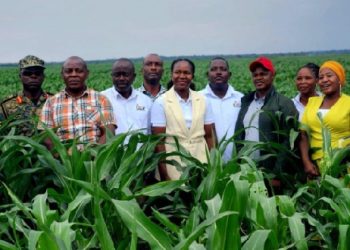
The ceremony was presided over by the Minister of Science, Technology and Innovation, Dr. Monica Musenero Masanza, and hosted at Katebe Farm, owned by retired General Kale Kayihura. It drew participation from farmers, engineers, local government leaders, and key stakeholders from Uganda’s agricultural and innovation sectors.
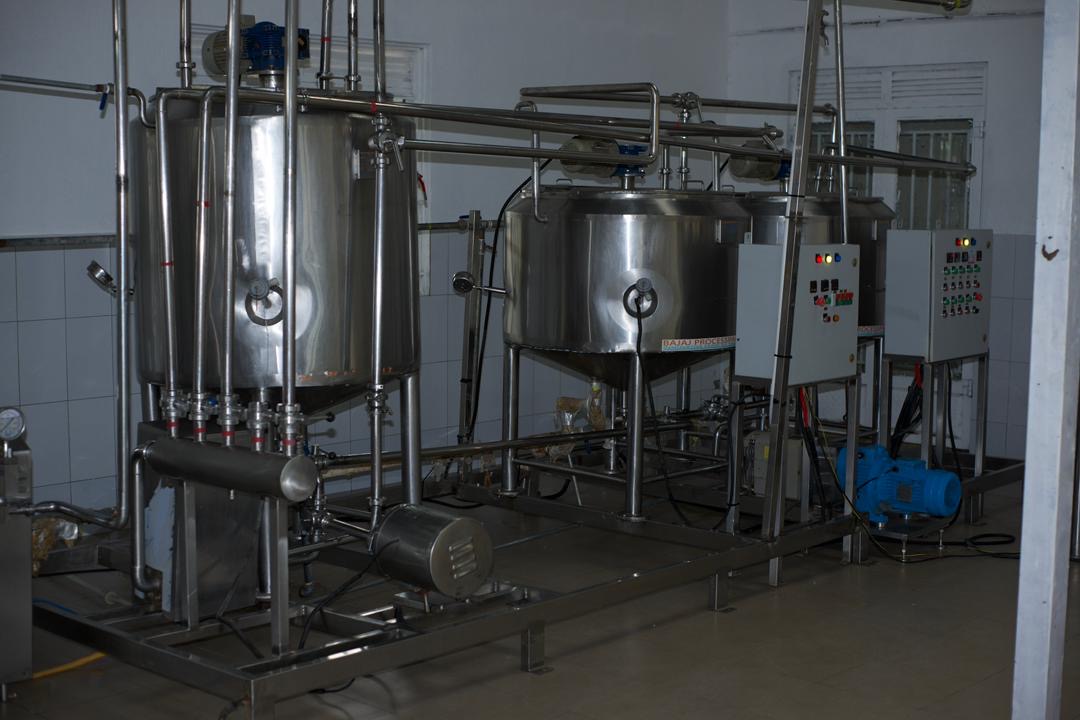
The transformation introduces modern dairy processing technologies, including a steam boiler system, a biomass burner, and improved pasteurisation equipment. These innovations are expected to significantly boost milk processing capacity, enhance product quality, and reduce operational costs through the use of sustainable energy solutions.
Speaking at the event, Dr. Musenero described the initiative as a practical demonstration of how science and innovation can directly improve livelihoods and drive economic growth.
“This is what it looks like when science leaves the lab and goes to the farm,” she said. “We are building systems that help farmers add value, reduce losses, and earn more from their work. Through the STI Secretariat, we are intentional about supporting innovations that solve real problems and create meaningful impact in communities.”
She further underscored the government’s broader vision: “Our goal is to ensure that every region in Uganda benefits from home-grown technologies. By investing in innovation at this level, we strengthen entire value chains from the farmer to the market while creating jobs and building economic resilience.”
Retired Gen. Kale Kayihura welcomed the development, noting the transformative impact on farm operations.
“This upgrade has completely changed how we operate. We can now minimise waste, maintain higher quality standards, and process milk more efficiently. I thank EDiC for bringing this level of innovation to the farm it is a game-changer not just for us, but for the entire farming community in this region.”
Jimmy Kandole, an engineer with EDiC who worked on the project, highlighted the technical significance of integrating energy-efficient systems into agro-processing.
“Our goal was to design solutions that are sustainable, accessible, and effective for Ugandan farmers. The improved pasteurisation system ensures consistent quality, while the biomass burner reduces reliance on costly fuels. This is a model that can be replicated across the country,” he explained.
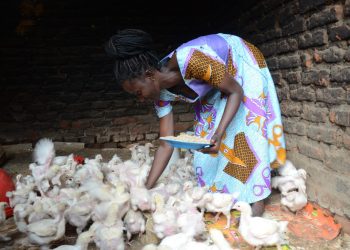
Beyond technological advancement, the project is already delivering tangible community benefits. Katebe Farm collaborates with over 15 milk suppliers and supports a broader ecosystem impacting more than 1,000 people. This includes individuals involved in banana processing, goat rearing, and other farm-related activities.
Strategically located at the intersection of Kiruhura, Sembabule, and Lyantonde districts, the farm serves as a regional hub. Community members actively contribute through supplying milk, biomass fuel, liquid soap, and labour reinforcing the farm’s role as a driver of inclusive local economic growth.
The Katebe Farm transformation exemplifies EDiC’s mission to develop and deploy practical, locally relevant technologies that address real-world challenges and accelerate industrial development. By bridging the gap between research and implementation, EDiC continues to strengthen Uganda’s innovation ecosystem.
Now fully upgraded, Katebe Farm stands as a model for modern, efficient, and sustainable dairy processing demonstrating the tangible impact of investing in science, technology, and innovation to unlock the full potential of Uganda’s agricultural sector.
About EDiC:
The Engineering Development and Innovation Centre (EDiC) is a Ugandan innovation hub under the Science, Technology and Innovation Secretariat at the Office of the President. It focuses on developing, adapting, and deploying practical engineering and technological solutions to address local challenges across agriculture, manufacturing, energy, and other key sectors.