


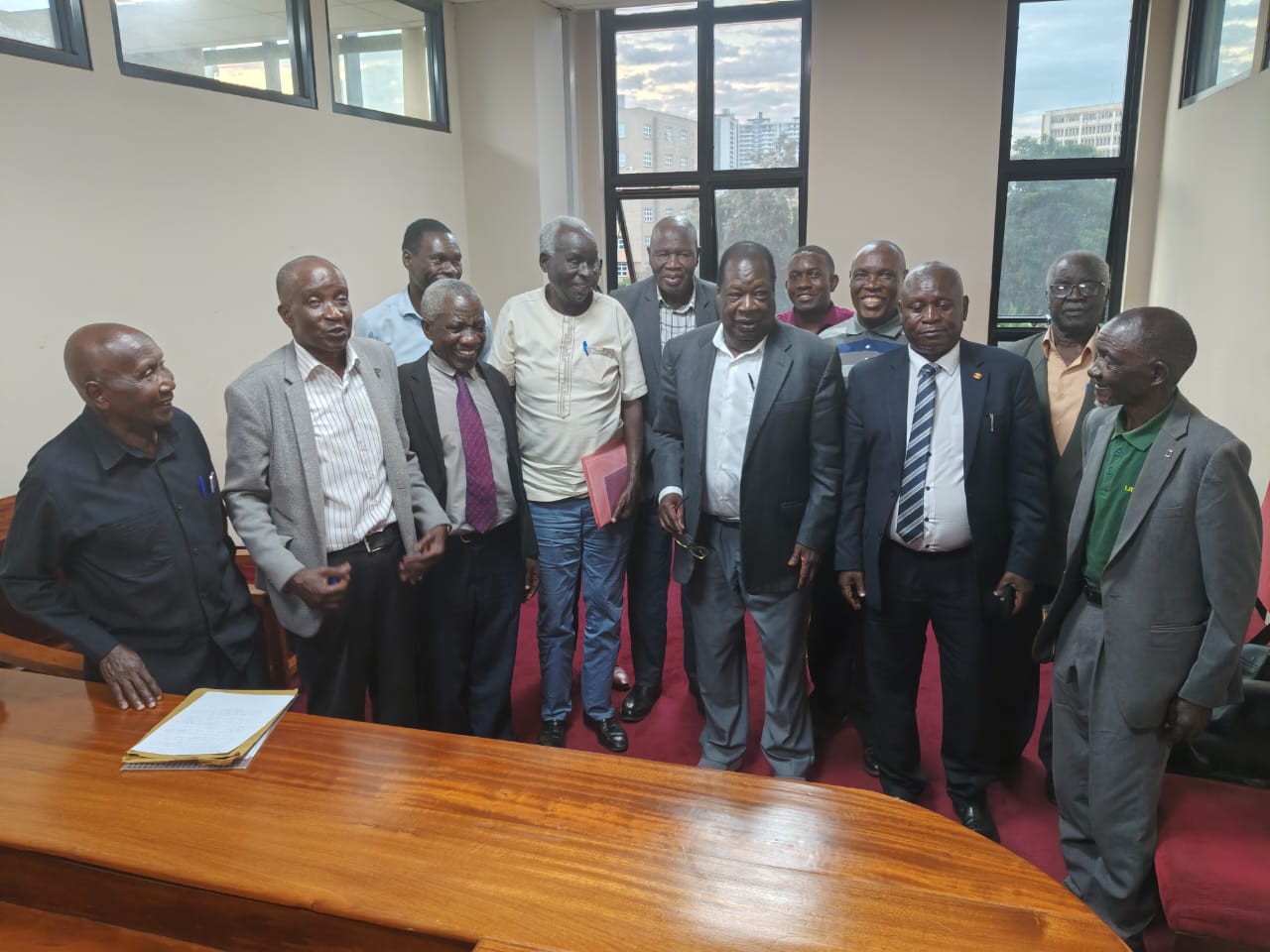
The chairperson of the Former East African Community Workers Association (FEACWA), Laban Kasiko, has appealed to President Yoweri Kaguta Museveni to intervene in their long-standing grievance over unpaid gratuity, nearly five decades after the collapse of the East African Community (EAC).
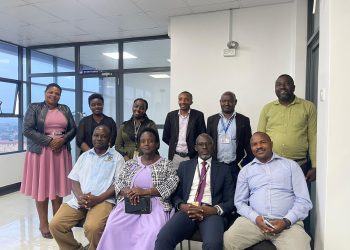
Kasiko made the appeal on Friday during a courtesy visit to the State Minister for East African Community Affairs, Magode Ikuya, at the ministry’s boardroom.
The meeting aimed to engage and lobby the line minister to help secure an appointment with the President, in hopes of conclusively resolving the payment dispute that dates back to 1977, when the original EAC collapsed.
More than 40 visibly aged and frail members attended the meeting, expressing deep frustration with the government’s failure to reach a conclusive decision on their compensation. They lamented that hundreds of their colleagues have since died without receiving their dues—an outcome they partly attribute to what they described as the unfriendly handling of their cases by pension ministry officials.
In response, Minister Ikuya assured the group that the government is working tirelessly to ensure that all former EAC workers are paid. He urged the association to compile and submit all necessary documentation, including a comprehensive list of eligible members, to facilitate the government’s processing of their claims within the legal framework.
An official who attended the meeting, but preferred anonymity, emphasized the need to follow the original payment structure used by Kenya and Tanzania. “We need to ensure these individuals are paid promptly, based on the agreed framework, which should now be incorporated into the domesticated law to ensure fairness,” the official noted.
The pensioners were informed that, according to the original policy framework, payments were to be made in US dollars for all beneficiaries—estimated at over 9,286 individuals. However, Uganda is reportedly using the general public service pension system, which the pensioners argue is inappropriate, as they did not formally retire but lost their jobs following the sudden collapse of the EAC.
Minister Ikuya also revealed that the government has yet to establish guidelines to operationalize the Former EAC Workers Pension Act, which was passed by Parliament in 2025 to address existing challenges affecting compensation efforts.
During the meeting, it also emerged that Uganda received a disproportionately smaller share of the formerly jointly owned EAC assets—such as ports and harbors in Mombasa and Arusha, railways, airlines, marine services, and postal systems—following the breakup of the community.
In contrast, Kenya and Tanzania reportedly compensated their former workers promptly using the agreed dollar-based system under the joint inter-ministerial pension framework. This allowed their beneficiaries to receive payments soon after the collapse, while Ugandan pensioners continue to wait 49 years later, with payments still being processed under what they describe as an inappropriate system based on Uganda shillings instead of US dollars.