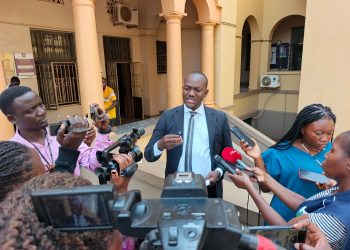



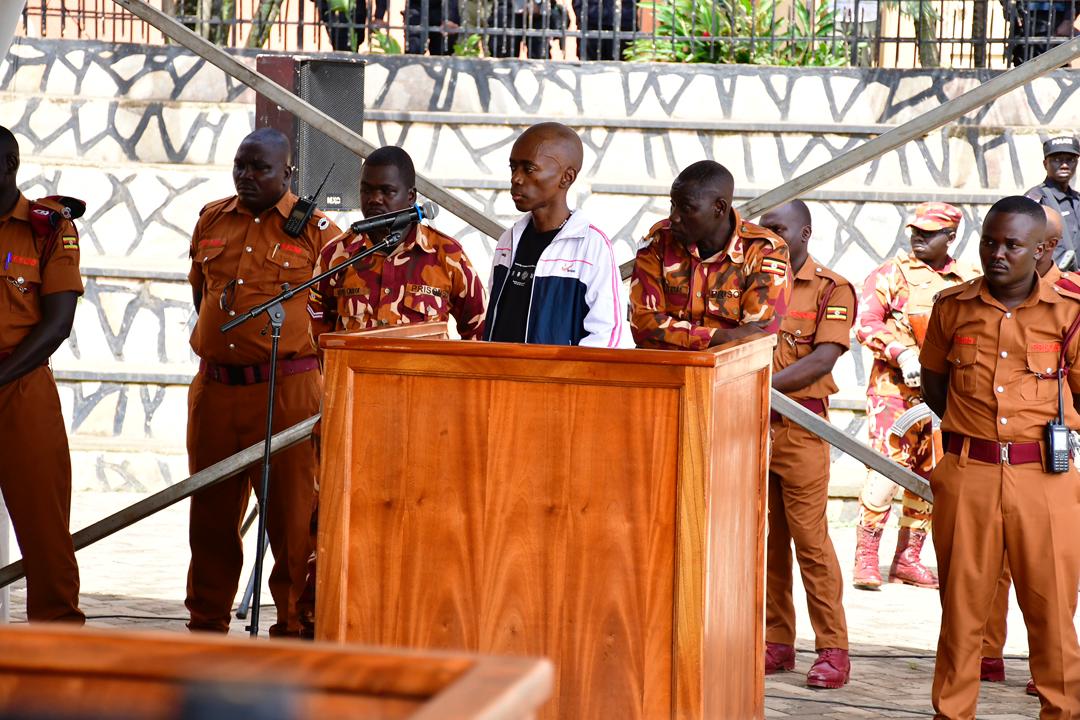
GGABA, Uganda : The Uganda Law Society has petitioned the court, challenging the establishment, venue, and conduct of the Ggaba Mobile High Court session hearing the murder case against Christopher Okello Onyum.
In a case filed against the Attorney General, the Law Society argues that the mobile court violates several constitutional provisions, including the right to a fair hearing, the presumption of innocence, and judicial independence. The lawyers are seeking a permanent injunction to stop the ongoing trial in Ggaba and an order directing that the case be heard at the High Court Criminal Division in Kampala under ordinary procedures.
According to the petition, the decision to hold the trial at the Ggaba Community Church grounds was driven by executive direction rather than judicial necessity. The Law Society maintains that the High Court Criminal Division is located about 10 kilometres away and is fully equipped to handle the case, making the mobile court unnecessary.
The application points to a sequence of events following the alleged murder of four toddlers in Ggaba on April 2, 2026. It cites public statements by government officials, including Balaam Barugahara, who allegedly referred to the suspect as a criminal and called for swift punishment even before trial. The Law Society argues that such statements, combined with directives attributed to the President and subsequent judicial action, amount to interference with the independence of the judiciary.
The petition further raises concerns about the choice of venue, noting that the trial is being conducted at the same location where the victims were mourned. It argues that this creates an emotionally charged environment that may influence proceedings and undermine impartiality. The planned live broadcasting of the trial, restricted public access, and a pre-determined one-week schedule are also cited as factors that compromise fairness.
Additionally, the Law Society says the defence may not have been given adequate time and facilities to prepare, as required under the Constitution. It notes the absence of essential infrastructure at the site, including private consultation rooms and legal resources, which are necessary for a fair trial.
The lawyers also complain that they were excluded from key preparatory meetings involving the Judiciary, police, prisons, and local leaders, despite their statutory role in the administration of justice. They say this exclusion denied them an opportunity to assess and contribute to decisions regarding the suitability of the venue and trial arrangements.
The trial is being presided over by Justice Alice Komuhangi Khaukha and is described as Uganda’s first mobile High Court session of its kind.
Meanwhile, the Law Society says its president, Isaac Ssemakadde, was denied access to the court premises while attempting to serve documents seeking to halt the proceedings.
The Society warns that if the trial continues in its current form, it could set a dangerous precedent and undermine the rule of law, judicial independence, and the fair trial rights of accused persons in Uganda.