


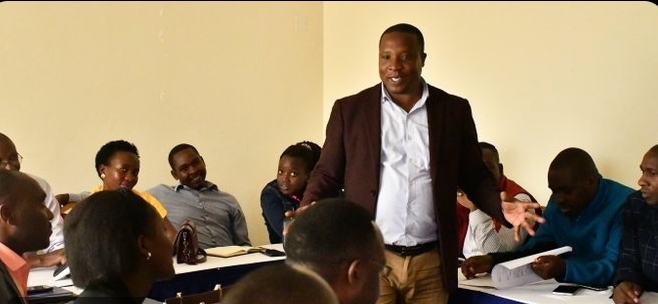
KABALE, Uganda — Non-governmental organisations in the Kigezi sub-region have intensified calls for direct engagement with their parliamentary representatives over the proposed Sovereignty Bill, warning that the current process risks excluding critical voices from the legislative debate.
In a coordinated appeal, civil society actors said the bill expected to influence how foreign-funded programmes operate in Uganda requires broader consultation, particularly with organisations working at the grassroots level.
The NGOs argue that Members of Parliament from districts such as Kabale, Rukungiri, Kisoro, and Kanungu have a responsibility to facilitate dialogue between lawmakers and constituents before the bill advances further in Parliament.
“This is not just a policy matter confined to Kampala,” one programme director noted during a stakeholder briefing. “Its effects will be felt in communities where NGOs provide essential services. That is why MPs must actively engage us and gather our views.”
Concerns raised by the organisations centre on possible restrictions on external funding, increased regulatory oversight, and the administrative burden that could come with new compliance measures. While some acknowledge the government’s intention to strengthen national control over development financing, they caution that poorly calibrated provisions could disrupt ongoing projects.
In the Kigezi region, NGOs play a significant role in supporting health outreach, education programmes, and livelihoods, particularly in rural areas. Stakeholders warn that uncertainty around the bill could affect donor confidence and long-term planning.
Some MPs from the region have previously indicated support for the principles behind the Sovereignty Bill, framing it as a step toward reducing dependency on foreign aid. However, civil society groups insist that support for the bill should not come at the expense of inclusive consultation.
Political observers say the growing pressure from Kigezi mirrors concerns being raised in other parts of the country, where civil society organisations are seeking a more participatory approach to lawmaking.
As discussions continue, NGOs in the region maintain that their position is not to oppose the bill outright, but to ensure that its final form reflects practical realities and safeguards the continuity of services relied upon by thousands of Ugandans.