


SUMMARY: Uganda Uganda’s dairy sector contributes 6.5% to agricultural GDP and supports over 100,000 livelihoods. However, climate change and limited access to reliable electricity continue to undermine productivity, particularly in rural areas. In Nakaseke District, located in Uganda’s cattle corridor, erratic rainfall, prolonged droughts, and low electrification (about 38%) have led to reduced milk production and significant post-harvest losses. Over 75% of dairy farmers and milk collection centres (MCCs) remain off-grid, with some losing up to 40% of milk due to inadequate cooling and unreliable power. Dairy cooperatives play a vital role by providing market access, training, and financial services yet, high energy costs often up to 40% of operational expenses due to diesel generators, limit their efficiency and profitability.
To address these challenges, Heifer International, with support from the Charles Stewart Mott Foundation, is implementing the USD 3.5 million Distributed Renewable Energy Ecosystem Model (DREEM) project. The initiative promotes the productive use of solar energy to strengthen the dairy value chain, reduce greenhouse gas emissions, and build climate resilience. Key interventions include providing solar-powered milk chillers, water pumps, refrigerators, and motorcycles to cooperatives and farmers under flexible financing models. Four cooperatives in Nakaseke, Nyakalongo, Karyabulo, Migani, and Kijumba are benefiting.
At the household level, farmers are accessing equipment such as water harvesting systems and solar-powered chaff cutters, improving feed preparation and milk yields. Community solar water systems have also been installed, with water kiosks offering affordable clean water at UGX 100 per jerrycan. These systems have improved hygiene, reduced milk rejection rates, and eased the burden of water collection, especially for women.
Farmers report increased productivity; for example, improved pasture and feeding practices have raised milk yields from about 3 to 4–6 litres per cow. Early results are promising. One of the members of Nyakalongo Cooperative SACCO now collects up to 4,500 litres of milk daily and has significantly reduced water costs through a solar-powered system. Households now have better access to safe water, improving health and livelihoods.
The project emphasizes sustainability through a blended financing model, ensuring farmer ownership and long-term viability. Overall, DREEM demonstrates how renewable energy can transform dairy systems, enhance resilience, and improve incomes, with strong potential for scaling across Uganda.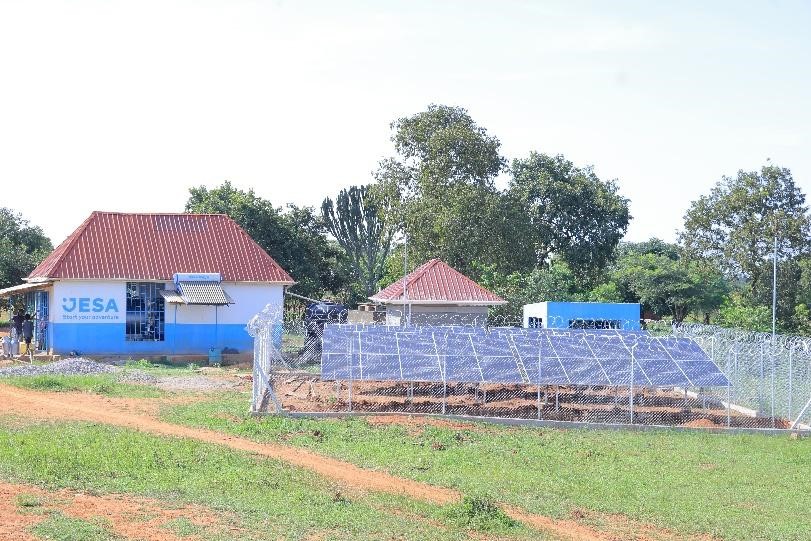
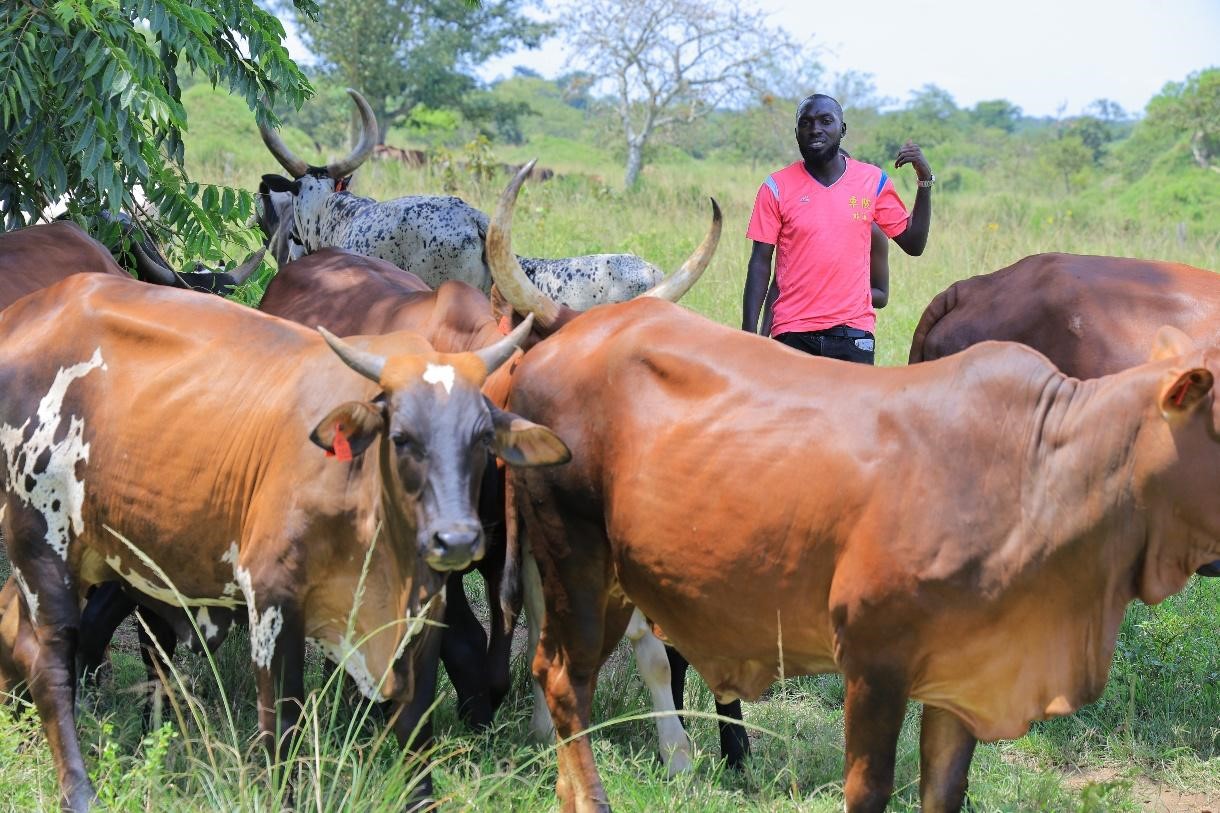
ACASE STUDY ; The dairy industry is critical to Uganda’s agriculture sector, contributing 6.5% of Uganda’s a gricultural GDP through milk production, and processing, and sale of dairy products, both for domestic consumption and for export. . Dairy farming employs over 100,000 Ugandans and stimulates other sectors of the economy by creating demand for inputs such as animal feed, veterinary services, equipment, and transportation services.
Over the past decade, climate change has impacted this critical economic subsector through weather variability s and more frequent and severe droughts and floods. Additionally, the dairy industry largely suffers inadequate power (due to limited and unreliable grid connectivity ) that results in spoilage and losses especially for rural farmers.
In Nakaseke District, for example, the twin challenges of inadequate energy access and the effects of climate change are quite glaring. Located in the country’s cattle corridor, characteris ed by a tropical savannah climate with distinct wet and dry seasons, the area experiences bimodal rainfall, typically from March to May and September to November. However, rainfall patterns have become increasingly erratic due to climate variability, leading to prolonged dry spells and occasional droughts. During the dry season, high temperatures and limited rainfall often lead to pasture and water shortages, which directly affect livestock health and milk production. Regarding energy access, the region’s electrification rate is estimated at 38%, and more than 75% of the dairy milk collection centres and dairy farmers are not connected to the national power grid .
In such circumstances, the role of producer collectives, such as dairy cooperatives, becomes paramount. Cooperatives set up Milk Collection Centres (MCCs) to which several hundred dairy farmers deliver milk from as far away as 15 km. The MCCs assure the dairy farmers market for their milk at a reasonable price, and provide training on milk production, quality assurance, and financial literacy. The more progressive cooperatives have set up saving and credit cooperatives (SACCOs) that provide affordable loans to their members.
Additionally, the cooperatives serve as channels for the supply of quality seeds, agricultural insurance, financial services, mechanisation, training and extension services, and other farm inputs.
Despite their critical role, the dairy cooperatives are hampered by unreliable energy sources and poor milk chilling infrastructure, resulting in high post-harvest losses (sometimes as high as 40%). According to Heifer International, more than 50% of the MCCs in areas of Heifer International’s program coverage are off-grid and spend up to 40% of their monthly expenses on diesel fuel, operations, and maintenance of generators, which limits their bulking capacity. Dairy cooperatives also report losing 10-15% of the milk due to power outages.
In Kiboga, Nakaseke, and Nakasongola districts , dairy farmers have limited access to grid power and, as a result, lose thousands of litres of milk daily due to a lack of milk chilling facilities.
To help alleviate some of these challenges, Heifer International, with support from the Charles Stewart Mott Foundation, is implementing the Distributed Renewable Energy Ecosystem Model (DREEM) hub project in Uganda. The USD 3.5 million project’s overall goal is to strengthen the Productive Use of Solar Energy (PUSE) Ecosystem by stimulating access to PUSE services in agricultural value chains hence reducing greenhouse gas emissions and boosting resilience of smallholder farmers and other value chain actors to climate change impacts and shocks.
Key Interventions under the DREEM:
The project focuses on greening the dairy value chain including production, processing and distribution of dairy products by demonstrating the use of renewable energy at the farm , cooperative and processor levels, including small dairy cottage enterprises. These goals will be achieved through:
Provision of productive solar equipment to increase dairy productivity:
The project is supporting four dairy cooperatives – Nyakalongo , Karyabulo, Migani and Kijumba Dairy Farmers Cooperatives in Nakaseke District – to acquire productive equipment including solar powered milk-chilling facilities, solar powered water pumps, water storage tanks that will be accessed by farmers under an affordable flexible payment option.
At household level, farmers with good credit history will benefit from linkages to productive equipment supplies such as water harvesting tanks to boost their income. Farmers in Nakaseke have also accessed solar powered motor bicycles to ease the transportation of milk to cooperatives and other transport needs. Given that the road network in the district is wanting, motorcycles locally known as bodabodas are the most commonly used means of transport to access different places, partly because they are the more affordable alternative. However, because they are propelled by petrol engines, they contribute significantly to air pollution in the district.
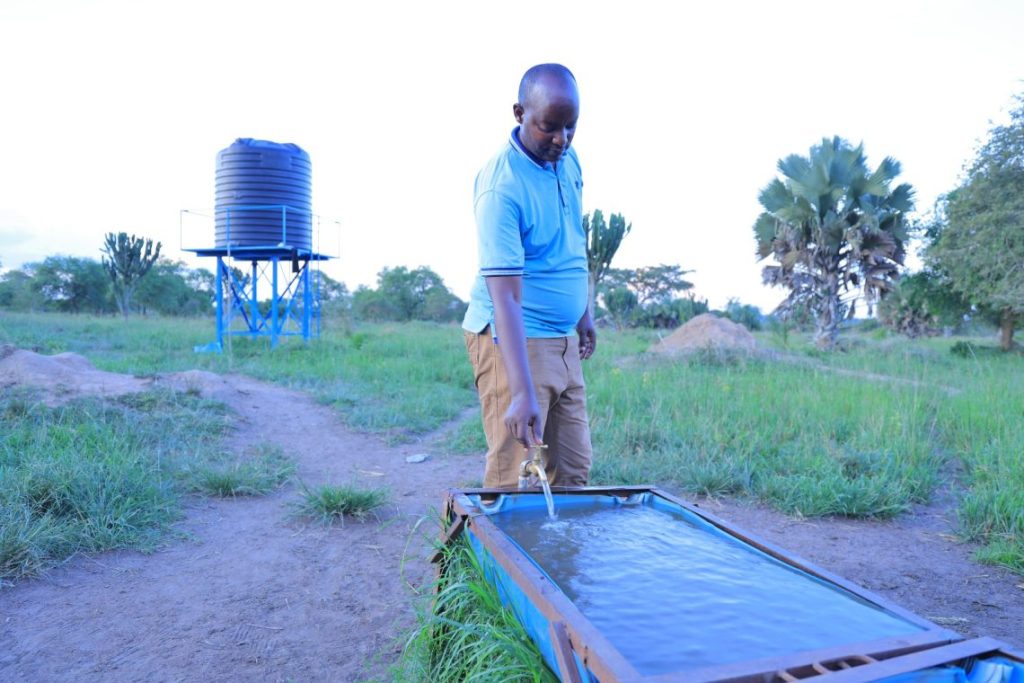
Wakyaka Benon, a resident of Ngoma village and chairperson of the Kijumba Dairy cooperative, is one of the project beneficiaries. Benon was supported to acquire solar- powered productive equipment, including a water pump, chaffcutter, and refrigerator all powered by solar. Wakyaka reveals that the solar powered water system has saved him from the daily walk of 10 km in search of water, and he is now able to feed his cows, which was not the case, previously .
Community Solar water pumping systems
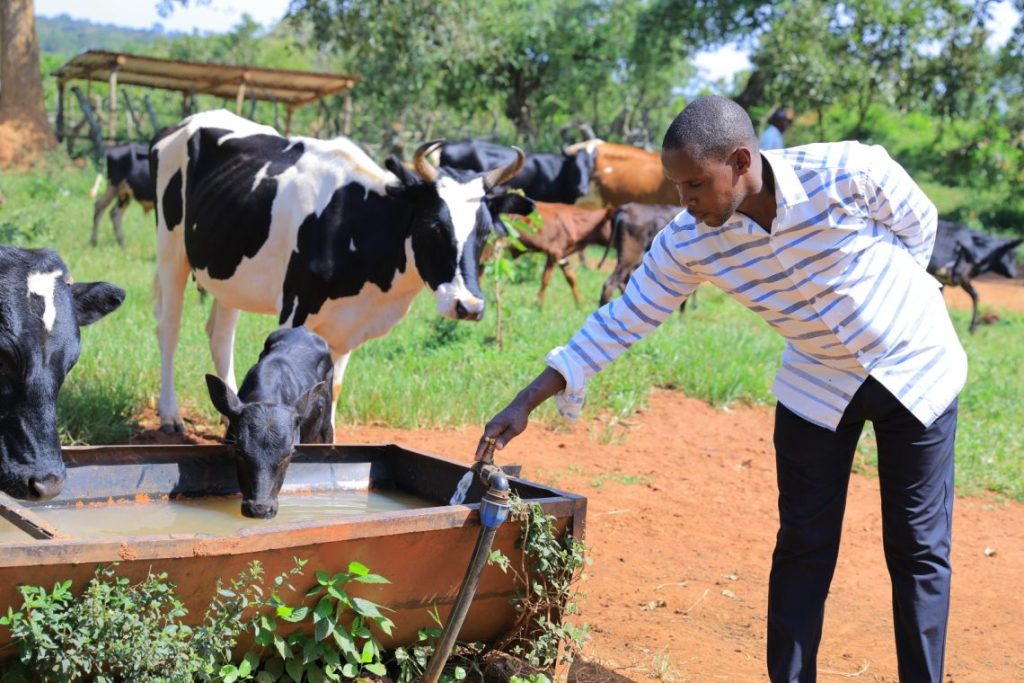
At the community level, the project is installing solar powered water systems that include water kiosks at which community members can draw clean water at a price of UGX 100 per jerrycan of water. This will make it easier for households to have water security and ease the burden of collecting water from distant wells and valley dams, especially for the women and children.
So far, seven families and one cooperative -Karyabulo dairy cooperative have benefited from the water extension services, and as a result, this has improved milk hygiene and thus reduced milk rejections, resulting in increased profitability.
Solar powered chaff-cutters and Feeds seeds:
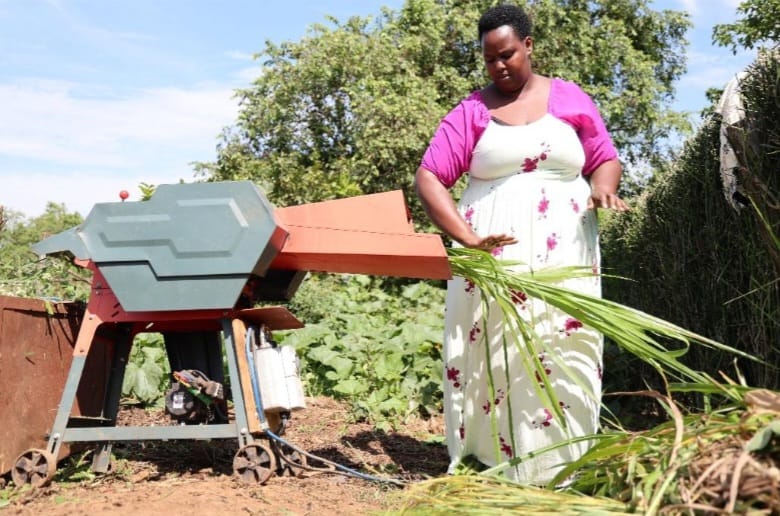
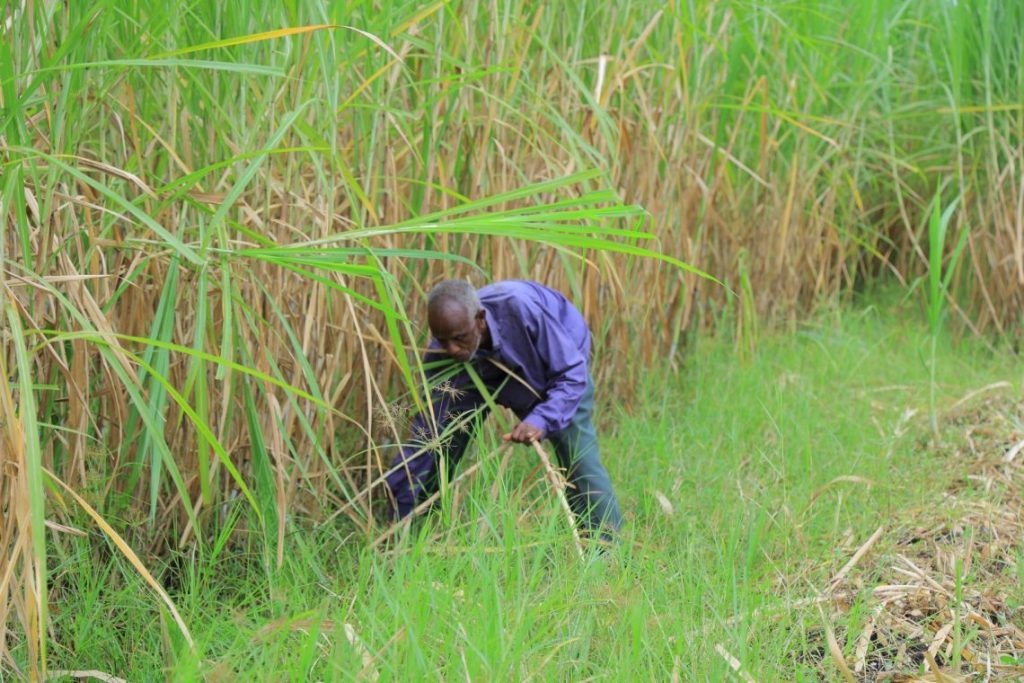
The project extended support to farmers within Nakaseke district to access improved pasture seed varieties and boost milk production. Additionally, the project has supported farmers to acquire solar- powered chaff cutters to ease the making of silage, which they feed to their cows e in the dry season.
For John Baptist Sserwada (77years), a dairy farmer from Balatira village, Kapeeka, in Nakaseke district, l ife has not been the same since the project helped him access good cattle feed varieties including cloris and n apier . As a result, he collects 4-6 litres of milk from each cow today, compared to the three litres he milked he previously .
Outcomes and Impacts
Though in its second year of implementation, the project’s interventions have started to bear fruit. Nyakalongo Dairy Farmers Cooperative Limited, a project beneficiary, is on an upward trajectory. Started in 2022 as a farmer association , the cooperative now has 160 members including 41 women. At its peak, Nyakalongo collects and chills 4500 litres of milk daily on average, which it sells to the processor, JESA Farm Dairies Ltd, at a fee ranging between UGX 1,000 and 1,300 per litre depending on the season.
For long, the cooperative suffered inadequate access to water to clean its premises, wash milk handling equipment, and sanitise its milk reception center . The cost of water rose to UGX 600,000 per month (approximately 15% of the monthly operational costs). Inadequate access to clean water at the household level constrained the cooperative’s members, negatively impacting both domestic hygiene and human health. For instance, during droughts, the cost of water skyrocketed to up to UGX 2000 for a 20-litre jerrycan, which was beyond reach for many families.
Through the DREEM project, Heifer International supported Nyakalongo dairy cooperative to construct a solar water pumping system complete with 20,000 litres of storage capacity. This has reduced the monthly operation costs, as the cooperative will not spend on water anymore. Further, the project installed three water kiosks in the community, to ease access to clean water for the households, most of which subscribe to the dairy cooperative. Using tokens, the farmers can conveniently draw water at UGX 100 for a 20-litre jerrycan. This initiative has had a profound impact on the community, as Betty Namugenyi, a community member, testifies.
“We used to drink from the same water source as the animals. If it was not thoroughly boiled, drinking this water would have had dire health consequences, as our children suffered waterborne diseases such as diarrhoea and typhoid. The situation worsened during the drought; we would walk up to 5 miles to fetch water.” Namugenyi says.
Traditionally, children and women are charged with water collection for the households while the men are away tending to the livestock or undertaking other enterprises. Water stress affects women more, as they are expected to cook and clean for their families. Solving the water challenge has eased this gender role.
“The water kiosks have brought clean water closer to our homes at a much lower price. Before, I would rely on someone else to ferry water, but now I can do it by myself,” she adds.
Sustainability and Scalability
Whereas residents of Nakaseke shall live to tell the story and benefits accrued from this project, the plan is to ensure that this story is told throughout Uganda’s dairy industry to ensure that a DREEM village is built across the country. These efforts will in the long run enable farmers to have a firm and stable farming business environment that enables them to maximise profits for improved livelihoods.
The project aims to ensure that farmers can maintain the productive equipment needed for scalability and sustainability, leading to improved productivity. It is for this reason that this equipment is not given as a handout, but rather a blended financing model is deployed, where farmers have an input and make a reasonable financial contribution towards the cause.
Conclusion
The DREEM project is demonstrating the transformative potential of productive use of solar energy in strengthening agricultural value chains and enhancing climate resilience. Early results show improved milk quality, reduced post-harvest losses, increased farmer incomes, and better access to clean water. With continued investment and expansion, the project has the potential to significantly improve rural livelihoods and catalyse sustainable, energy-driven development across Uganda’s dairy sector