


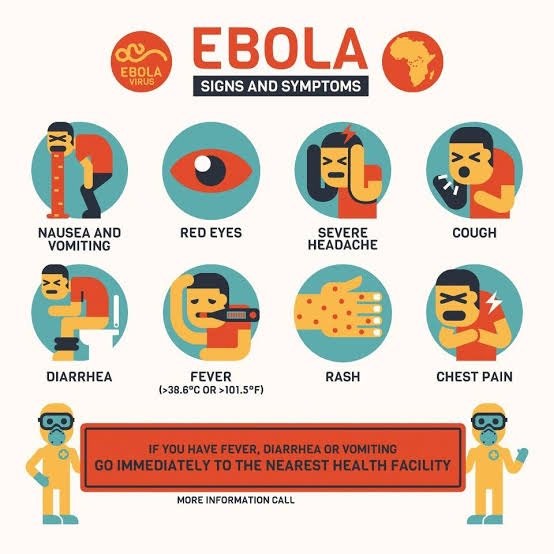
The World Health Organization (WHO) has declared the latest Ebola outbreak in the Democratic Republic of Congo and neighboring Uganda a public health emergency of international concern, as fears grow over the virus’s spread across Central and East Africa.
Health officials say at least 80 people have died in the outbreak linked to the Bundibugyo strain of the Ebola virus, with hundreds more suspected infections reported in eastern Congo’s Ituri province.
While the WHO stopped short of labeling the crisis a pandemic emergency, it warned that the risk of cross-border transmission remains high, particularly in countries sharing porous borders with the DRC.
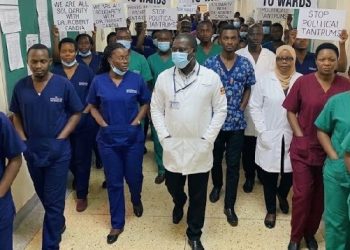
The outbreak has already reached several health zones, including Bunia, and Mongbwalu, where overwhelmed health workers are racing to contain infections amid fragile health systems and ongoing insecurity.
Authorities also confirmed a case in the strategic eastern city of Goma, a densely populated transport hub that has previously been at the center of Ebola containment efforts.
International concern intensified after reports emerged that several Americans working in the DRC may have been exposed to the virus.
According to U.S. media reports citing aid organization sources, at least six Americans were potentially exposed, with three cases considered high risk.
One individual was reportedly showing symptoms, prompting urgent discussions about possible evacuation to a U.S. military facility in Germany.
The U.S. Centers for Disease Control and Prevention has activated its emergency response center and is deploying additional personnel to both the DRC and Uganda to support surveillance, laboratory testing, and outbreak containment.
Despite the escalating response, CDC officials stressed that the risk to the American public remains low.
Meanwhile, the U.S. Embassy in Kinshasa issued another health alert urging Americans to avoid travel to Ituri province, warning that the U.S. government’s ability to provide emergency assistance in the conflict-hit region is severely limited.
The resurgence of Ebola comes at a time when many African health systems are still recovering from the long-term impacts of COVID-19, conflict, and chronic underfunding. Public health experts warn that rapid detection, community engagement, and cross-border coordination will be critical to preventing the outbreak from spiraling into a wider regional crisis.