


SRHR NEWS ARTICLE : Young girls in Uganda are increasingly accessing sexual and reproductive health and rights (SRHR) services through innovative TIKO cards, a technology-driven intervention that is breaking barriers of stigma, misinformation, and cost.
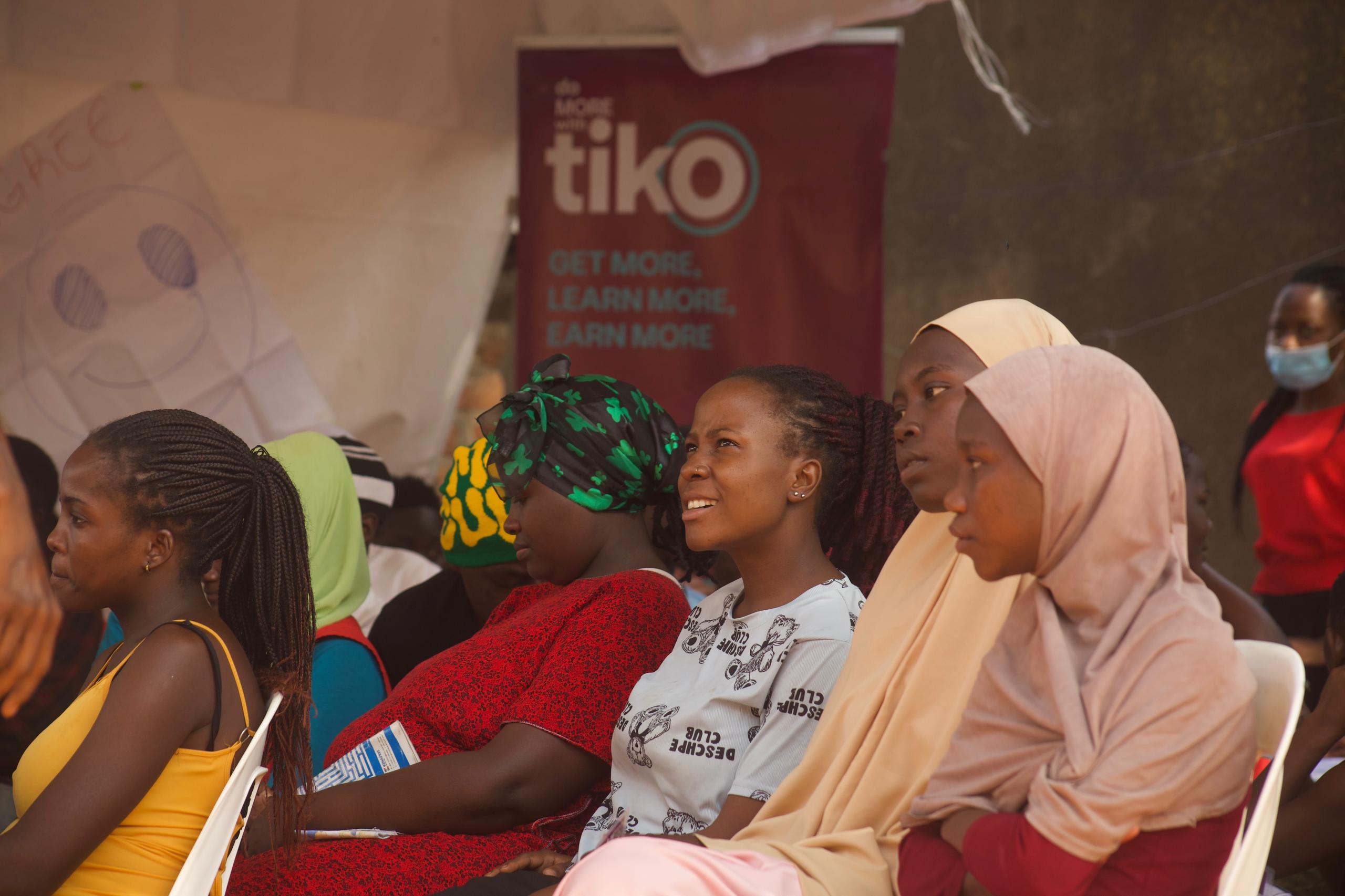
During a community fireside chat and a mobile clinic outreach held in Kawempe, officials from TIKO and Uganda Youth and Adolescents Health Forum said the initiative is helping thousands of young people, especially girls aged between 15 and 24, to access free health services from accredited clinics and pharmacies.
Frank Kuteesa, the Sexual and Gender-Based Violence (SGBV) and Mental Health Coordinator at TIKO, said the organization is using both digital technology and physical TIKO cards to ensure no young person is left behind in accessing essential services.
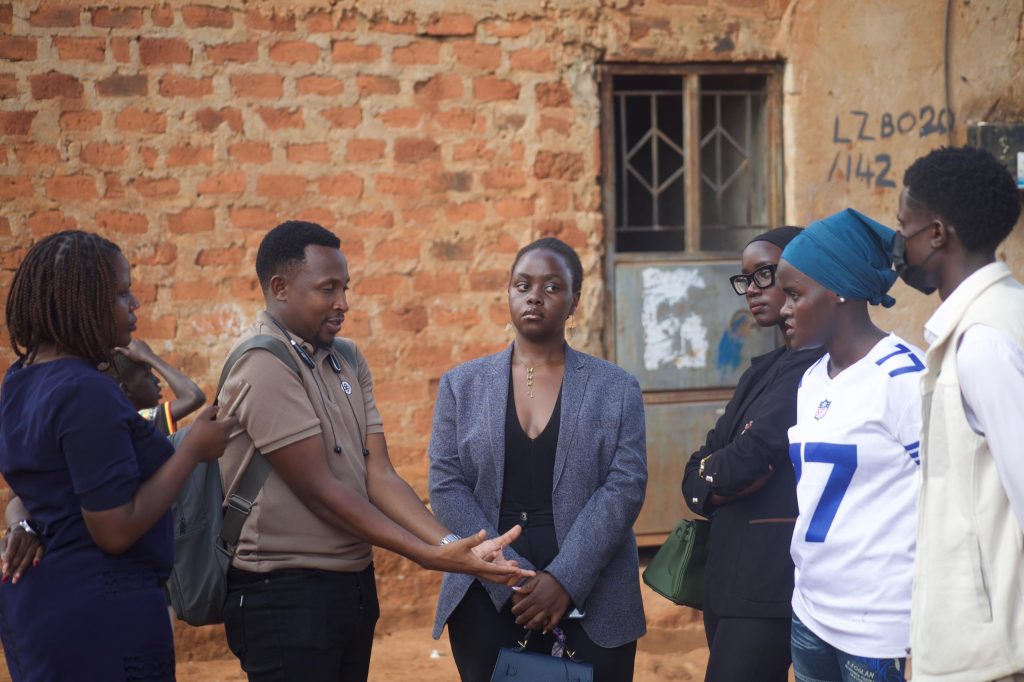
“We are creating awareness about HIV, mental health, sexual and gender-based violence, and family planning because many young people in communities need these services, but they do not know where to get them from,” Kuteesa explained.
The event brought together parents, youth, local leaders, and influential community members to discuss challenges affecting adolescents.
According to Kuteesa, many young people continue to face misinformation and stigma surrounding HIV testing, family planning, mental health support, and SGBV services. This has contributed to rising cases of teenage pregnancies, unintended pregnancies, HIV infections, and sexual violence.
“We need to destigmatize these services so communities understand that these services belong to them and are important in addressing issues such as teenage pregnancy, HIV infections, and sexual violence,” he said.
At the center of the intervention are the TIKO cards, which are specifically designed for young people. The cards allow registered users to walk into TIKO-branded clinics and receive services free of charge.
Kuteesa explained that each card is personalized and linked to a specific client through the TIKO digital platform. Once a young person presents the card at a partnered health facility, health workers validate the services using a mobile application connected to the TIKO system.
“This card is for the client only and cannot be used by another person. Once they go to the clinic, they simply present the card and receive the service at no cost,” he noted.
For young people with mobile phones, TIKO uses a simple SMS-based registration process. Users text “TIKO” to 8114 and answer a few questions to enroll onto the platform. They can then access services from TIKO-accredited facilities using codes generated on their phones.
The innovation is proving to be a game changer for many adolescent girls who previously struggled to afford healthcare services, particularly in private clinics.
Under the program, TIKO covers the cost of services offered at participating facilities, enabling girls to receive HIV testing, family planning, counseling, mental health support, and SGBV-related care without paying out of pocket.
Health advocates say this approach is helping bridge the gap between young people and healthcare providers, especially in urban communities where poverty and stigma often limit access to care.
Beyond free healthcare, the TIKO cards also include a reward system aimed at encouraging young people to seek services regularly. After accessing care, users can receive small incentives credited onto their cards.
For example, a client may receive UGX1,000, which can be redeemed at designated TIKO shops for items such as sanitary pads, drinks, or other basic necessities.
Kuteesa said the incentive system motivates young people to prioritize their health while also supporting girls with essential items like menstrual hygiene products.
“If a young girl joins TIKO at the age of 15, she remains a member up to the age of 24. This means she can continue accessing free services throughout that period because these services are not needed once, but continuously,” he explained.
The organization says the initiative is focused on tackling what it describes as the “triple threat” affecting young people — HIV infections, unintended pregnancies, and sexual and gender-based violence.
Mental health services have also become a key pillar of the program amid growing concerns over depression, anxiety, and trauma among adolescents.
“We cannot effectively address other health issues without addressing mental health because many young people are struggling silently,” Kuteesa said.
Since its introduction, TIKO says it has already impacted more than 8,000 young girls in Kampala and Wakiso districts through both the card and phone-based systems.
The organization now hopes to expand the intervention further and reach millions of young people across Uganda.
Community leaders welcomed the initiative, saying it is helping young people access confidential and youth-friendly healthcare services that many previously feared to seek.
Stakeholders also emphasized the importance of continued community sensitization and partnerships in combating stigma and ensuring that adolescents receive accurate information about SRHR services.
As Uganda continues to grapple with teenage pregnancies, HIV infections among adolescents, and increasing mental health challenges, innovations such as the TIKO cards are emerging as a practical and transformative solution in bringing life-saving services closer to young people.