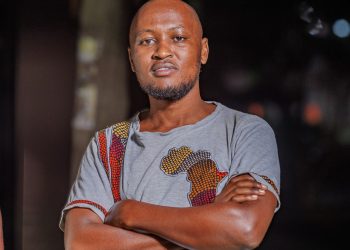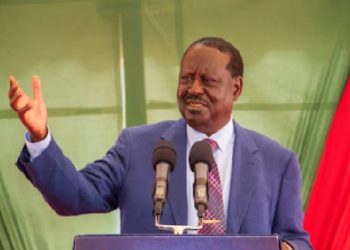



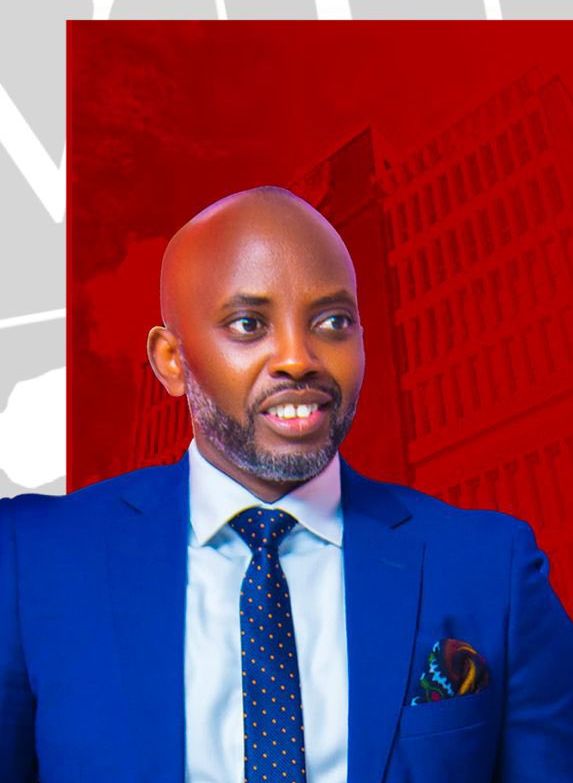
A Kampala-based advocate, Ssemambo Rashid has challenged claims that the appointment of Dr. Lawrence Muganga, a dual Ugandan-Canadian citizen, as Minister of State for Internal Affairs violates Ugandan law.
The debate stems from provisions of the Uganda Citizenship and Immigration Control (Amendment) Act, 2009. Critics point to Section 19D of the Act, which lists “Cabinet Minister and other Ministers” among public offices that may not be held by dual citizens.
However, in a five-page legal opinion dated 29 May 2026, Ssemambo Rashid, Managing Partner at Ssemambo & Ssemambo Advocates, contends that the restriction is unconstitutional and therefore unenforceable.
According to Ssemambo, the Constitution of Uganda provides the decisive legal framework on eligibility for ministerial office. His argument rests on three key principles:
First, Article 80 of the Constitution requires only that a person be a citizen of Uganda in order to qualify for election to Parliament. Since ministers are appointed from among persons qualified to be Members of Parliament, the Constitution imposes no additional requirement excluding dual citizens.
Second, the Constitution is the supreme law of Uganda. Any statutory provision that is inconsistent with the Constitution is void to the extent of that inconsistency. Ssemambo argues that Parliament cannot, through ordinary legislation, impose qualifications or disqualifications that the Constitution itself does not recognize.
Third, he invokes the doctrine of harmonious constitutional interpretation, which requires constitutional provisions to be read together and given their full effect. In his view, a subordinate statute cannot selectively curtail rights and opportunities that the Constitution extends to all Ugandan citizens.
On this basis, Ssemambo concludes that the statutory prohibition on dual citizens serving as ministers is unconstitutional and legally ineffective. He further argues that state institutions and Parliament are not bound to enforce a provision that directly conflicts with the Constitution.
Broader Reflections on Social Media
Beyond the legal analysis, the opinion concludes with a broader commentary on the influence of social media in Africa.
Ssemambo draws a historical parallel between the rapid spread of digital platforms and the British opium trade in nineteenth-century China, arguing that both illustrate the dangers of exposing societies to powerful external influences without adequate regulation.
He warns that unless governments take deliberate steps to regulate both the quality and quantity of information reaching citizens, unchecked social media consumption could contribute to social fragmentation, moral decline, and weakened civic institutions.
Author: Ssemambo Rashid, Advocate of the High Court of Uganda and all Courts of Judicature.