



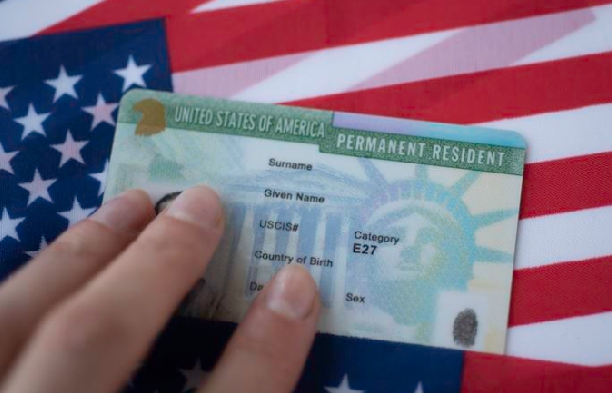
The US Supreme Court has delivered a significant victory to the Department of Homeland Security (DHS), ruling that immigration officials do not need definitive proof of criminal wrongdoing before subjecting certain green card holders to heightened scrutiny when they return from international travel.
In a 6-3 decision issued Tuesday, the nation’s highest court clarified that lawful permanent residents can be treated as applicants for admission at the border if immigration authorities believe they may fall under legal exceptions tied to criminal conduct—even before that conduct has been conclusively established.
Case at the Center of the Decision
The ruling stems from Blanche v. Lau, a closely watched immigration case involving Muk Choi Lau, a lawful permanent resident who traveled to China in 2012 while facing a criminal counterfeiting charge in New Jersey.
When Lau attempted to re-enter the United States, immigration officials declined to admit him as a returning permanent resident and instead placed him on parole pending further proceedings. He later pleaded guilty to trademark counterfeiting.
Lower courts had sided with Lau, holding that DHS needed “clear and convincing evidence” at the time of his re-entry to prove he had committed a crime involving moral turpitude before treating him as someone seeking admission into the country.
The Supreme Court overturned that interpretation.
Writing for the majority, Justice Clarence Thomas stated that the Immigration and Nationality Act does not require immigration officers to meet such a high evidentiary standard at the border. Instead, the government may present and establish the necessary evidence during subsequent removal proceedings.
Why the Decision Matters
Under US immigration law, green card holders generally enjoy the right to travel abroad and return without being treated as new entrants to the country.
However, the law provides exceptions, particularly when authorities believe a resident may have committed a crime involving moral turpitude—a broad legal category that often includes offenses involving fraud, theft, deception, or dishonesty.
The Supreme Court’s ruling gives immigration officials greater flexibility at ports of entry, making it easier to classify certain returning permanent residents as applicants for admission. Such a designation can expose individuals to broader immigration review and potential removal proceedings.
Immigration advocates warn that the decision could have far-reaching consequences for lawful permanent residents traveling while facing unresolved criminal allegations, potentially placing them in legal uncertainty before their criminal cases are fully resolved.
Liberal Justices Warn of “Immigration Limbo”
The Court’s three liberal justices strongly disagreed with the majority’s approach.
In a dissenting opinion joined by Justices Sonia Sotomayor and Elena Kagan, Justice Ketanji Brown Jackson argued that the ruling allows the government to strip returning permanent residents of key legal protections before proving that an exception to those protections actually applies.
Jackson warned that the decision could leave immigrants trapped in what she described as an “immigration limbo,” facing serious consequences before any criminal conviction has been secured.
What the Ruling Does — and Doesn’t Do
Importantly, the Supreme Court did not rule that DHS can revoke a green card simply because someone has been charged with a crime.
Rather, the decision focuses on what level of evidence immigration officers must possess at the border when determining whether a returning permanent resident should be treated as an applicant for admission. The government must still pursue formal immigration proceedings and prove any grounds for removal under federal law.
With immigration enforcement remaining a major national issue, legal experts expect the ruling to shape future border procedures and influence how lawful permanent residents navigate international travel while facing pending criminal allegations.