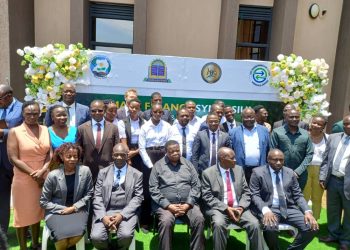



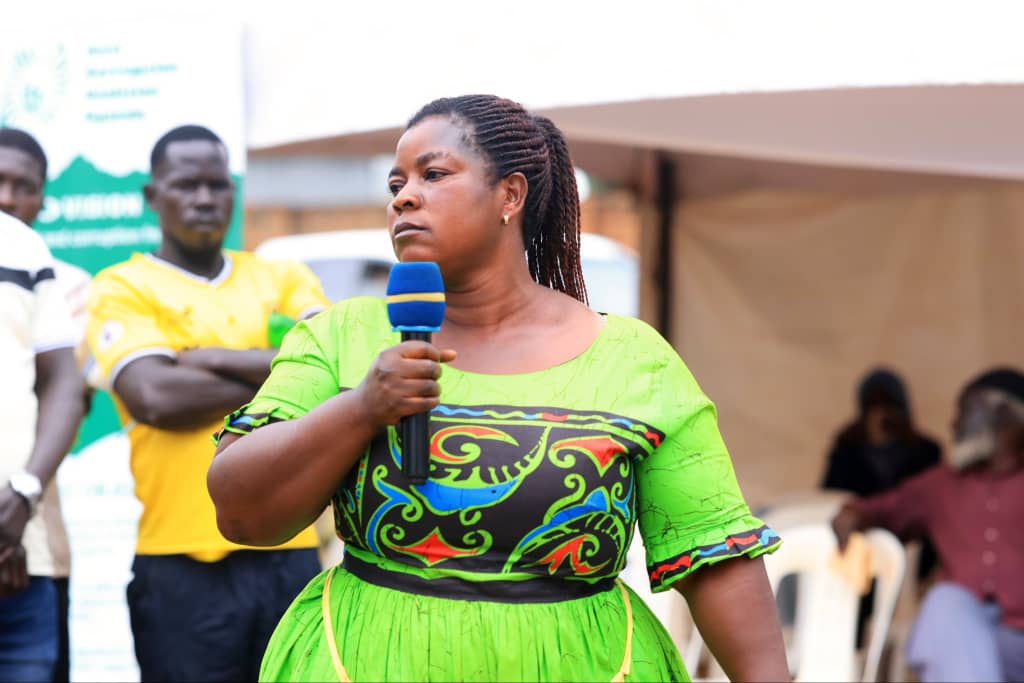
KIRYANDONGO, Uganda – Concerns over corruption, land conflicts, inadequate staffing, and poor service delivery dominated discussions during the first day of the Anti-Corruption Caravan organized by the Inspectorate of Government (IG), Action Aid International Uganda, Transparency international Uganda, State House Anti corruption unit and other partners.
The caravan, held at Bweyale Catholic Church, brought together government officials, security leaders, health workers, and community members to discuss governance challenges affecting residents and explore ways of strengthening accountability and public service delivery.
Speaking during the engagement, Kiryandongo District Chairperson Nelson Osaga welcomed the Inspectorate of Government team, saying the district had long grappled with corruption-related complaints and growing public frustration.
“We are quite grateful because issues of corruption are everywhere, and I believe as a district chairperson there should be steps taken to curb this vice,” Osaga said.
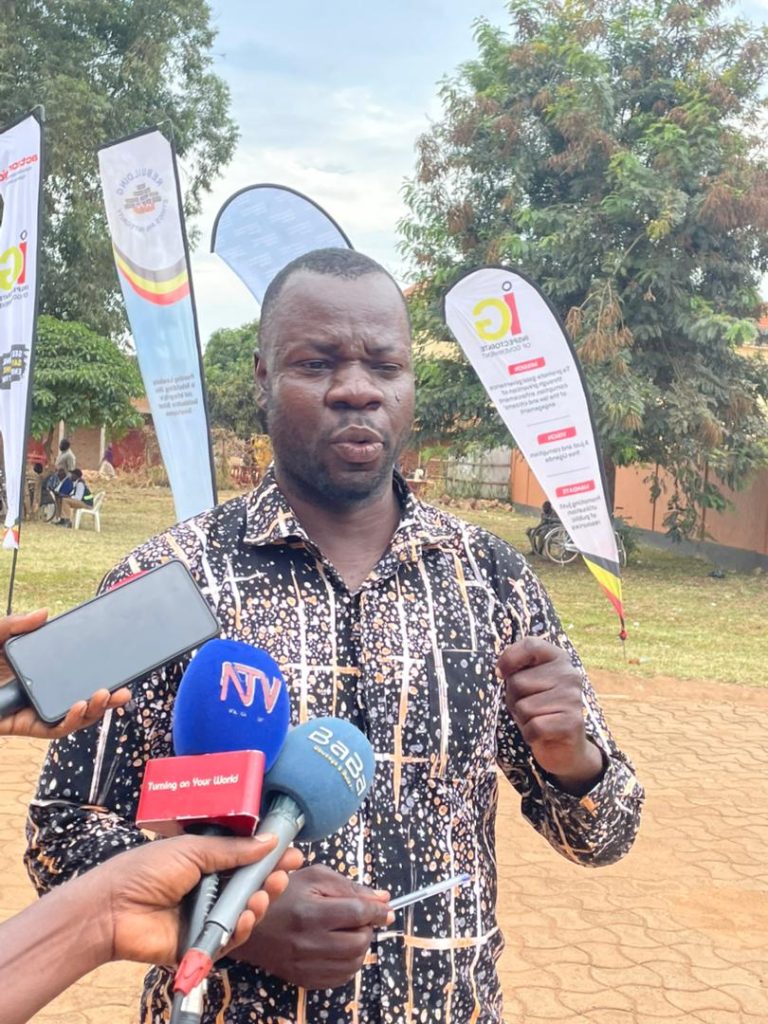
He noted that many residents feel their grievances, particularly concerning land disputes, corruption, and poor service delivery, have not been adequately addressed by public institutions.
According to Osaga, one of the major concerns raised by residents is the lack of confidence in offices mandated to handle complaints, including some government agencies and courts of law.
“People feel that even when they report cases, especially land-related disputes, they do not get justice. Many believe the offices concerned have been compromised,” he said.
Fear of Escalating Land Conflicts
Osaga warned that unresolved land disputes could eventually spark serious conflict in the district.
“Kiryandongo hosts a large refugee population and land-related grievances continue to increase. If these challenges are not addressed, I do have a suspicion that one day a land cold war may happen in Kiryandongo,” he cautioned.
The district chairperson said his office regularly receives complaints from residents facing eviction without compensation and struggling to find redress.
He cited the case of a disabled resident allegedly facing eviction without compensation despite repeated attempts to seek help from authorities.
Staffing Crisis Undermining Service Delivery
Osaga also highlighted severe staffing shortages across the district, revealing that Kiryandongo has never had its staff ceiling increased since attaining district status 16 years ago.
He said the district currently operates at approximately 50 percent staffing capacity and requires nearly 1,500 additional personnel to effectively deliver services.
The shortage is particularly evident in the health sector, where Kiryandongo District Hospital continues to face overwhelming demand while operating with limited staff.
He called on the central government to increase staffing levels and consider upgrading Kiryandongo Hospital into a regional referral facility, noting that the district lies along a major highway and serves both local communities and travelers from neighboring countries, including South Sudan and the Democratic Republic of Congo.
Police Cite Resource Constraints
Kiryandongo District Police Commander Superintendent of Police Stephen Ojok acknowledged the concerns raised by residents while attributing many of the challenges to limited resources.
Ojok said Bweyale alone has a population approaching 200,000 people, yet police manpower remains insufficient.
“We do not have enough manpower, and the force available is not commensurate with the population,” he said.
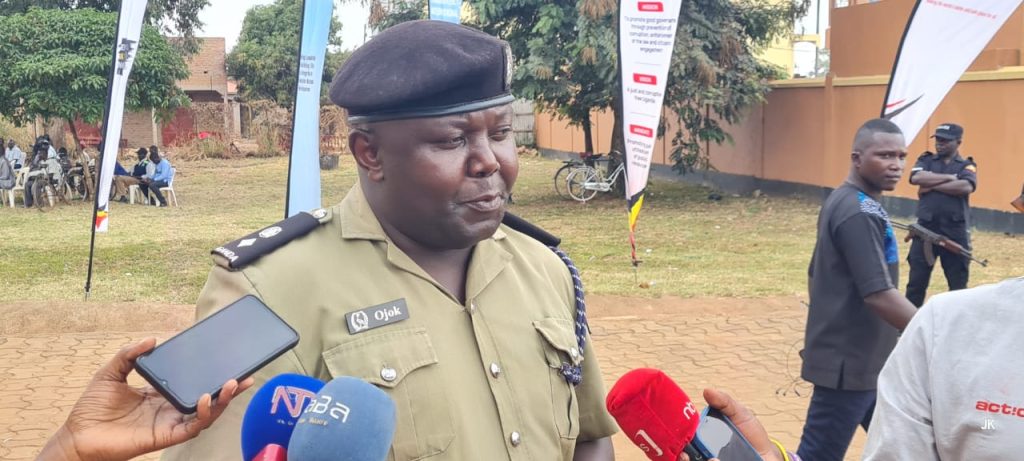
The police commander also revealed that Bweyale currently lacks a dedicated police vehicle, affecting patrol operations and police visibility.
However, he announced that the district expects to receive a patrol vehicle and additional personnel following the recent graduation of officers from police training schools.
Ojok further emphasized ongoing efforts to promote peaceful coexistence between refugees and host communities, saying police have intensified community sensitization campaigns and established local vigilance structures within refugee settlements.
While acknowledging widespread public dissatisfaction regarding land cases, he maintained that police services are free and urged residents to engage with security agencies through dialogue and accountability forums.
Hospital Overwhelmed by Patient Numbers
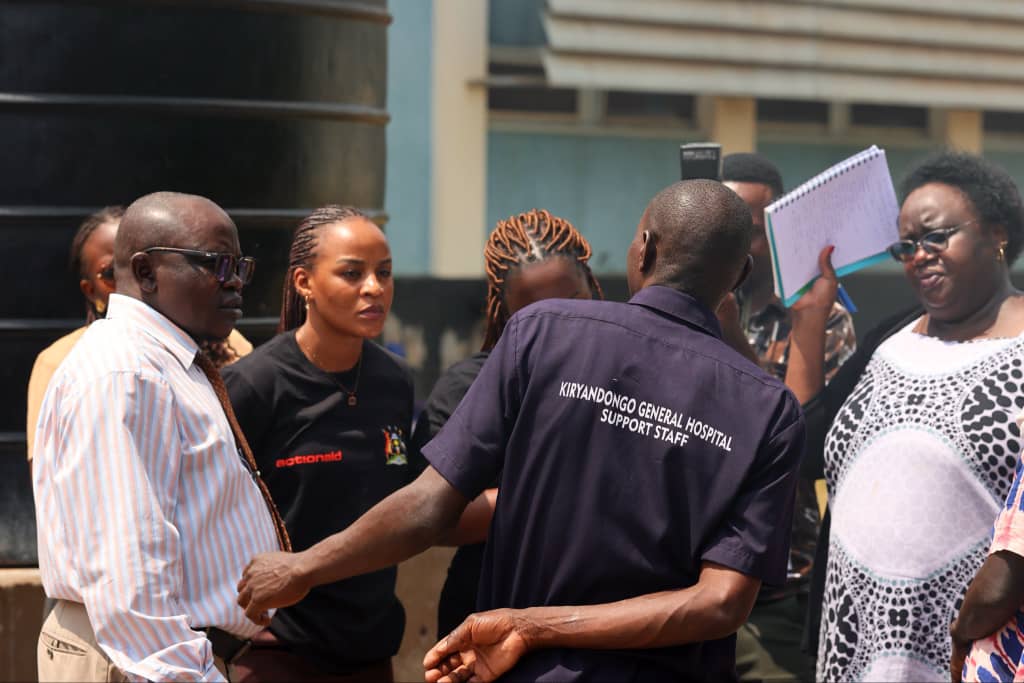
During a spot check conducted by the caravan team at Kiryandongo District Hospital, health workers reported significant operational challenges.
Josephine Amongi, a Registered Nurse and Assistant Officer-in-Charge of the Outpatient Department (OPD), said the facility receives more than 250 patients daily, placing enormous pressure on the available workforce.
“The number of patients overwhelms the staff available,” she said.
Amongi explained that health workers often skip lunch breaks to ensure all patients receive attention.
“We make it a working meal. We continue working until we complete the number available,” she said.
She noted that support from an NGO through Village Health Teams (VHTs) has helped ease some of the workload, particularly in nutrition screening and patient assessment.
The hospital also reported a stock-out of some essential medicines and medical supplies. Officials indicated that the last delivery of essential drugs was received on 29 May 2026.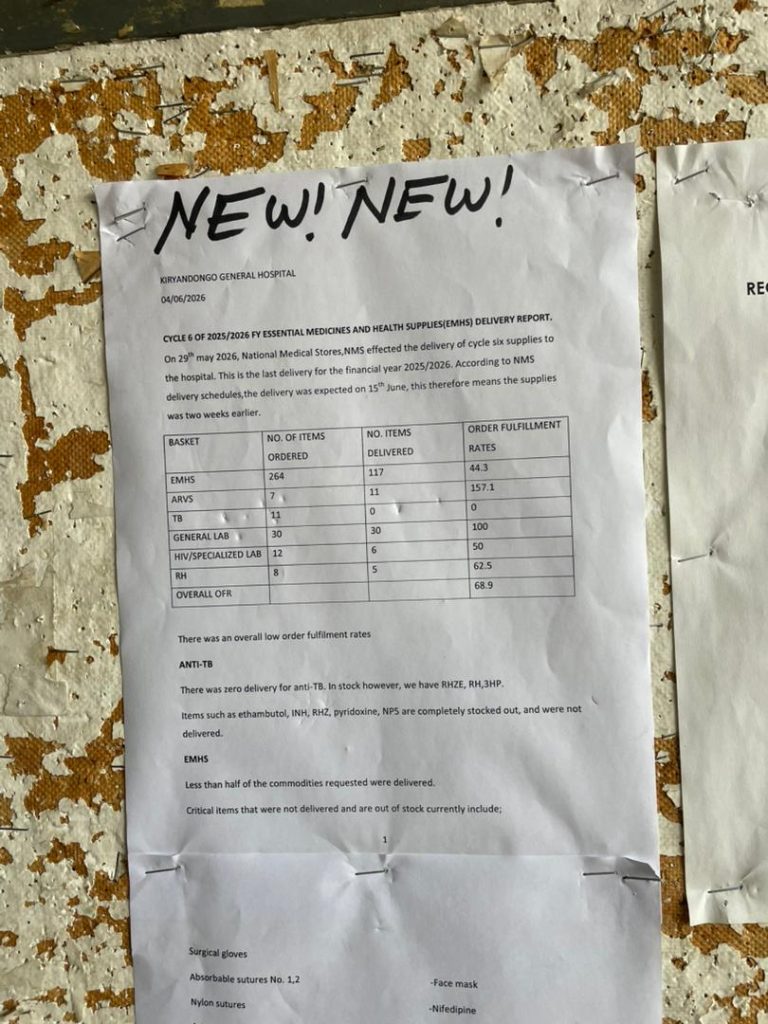
Residents Raise Corruption Allegations
Community members used the caravan to voice longstanding grievances, many centered on alleged corruption, land grabbing, and barriers to accessing justice.
Among the cases presented was that of Deus Musinguzi, proprietor of Nile View Junior School in Kimogoro.
Musinguzi alleged that his school, which served approximately 250 pupils and occupied four acres of land, was demolished on 23 January 2024 by Muhazi Heritage Company for sugarcane plantation.
He claimed he was never compensated and accused authorities of failing to intervene despite repeated appeals.
“I have sought help from various offices, including the RDC’s office, but nobody has helped me. I request the Inspectorate of Government to intervene and ensure I am compensated,” he said.
Other residents accused some public institutions of demanding facilitation before rendering services.
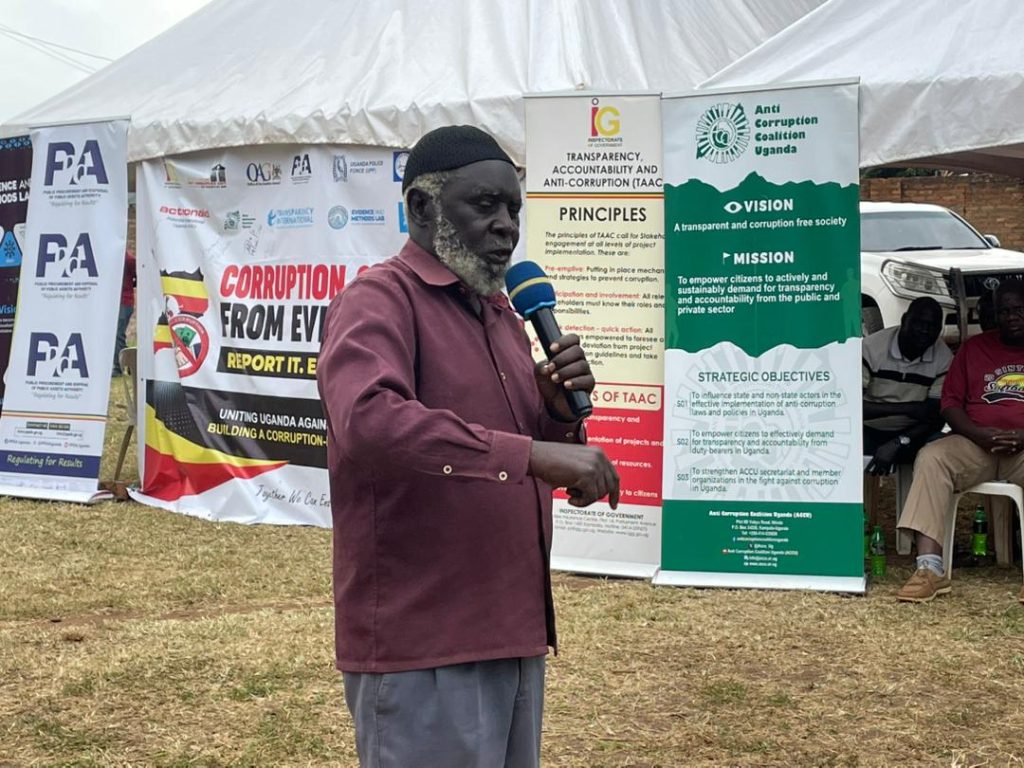
One resident, Wanda Mustafa, openly criticized police performance in the district, alleging that poor citizens often fail to obtain assistance because they cannot afford to pay bribes.
“If you don’t have money, police in Kiryandongo cannot help you. That is corruption,” he said.
Hope for Accountability
Despite the frustrations expressed by residents, many welcomed the Anti-Corruption Caravan as an opportunity to directly engage government officials and present their concerns.
Participants expressed hope that the Inspectorate of Government’s intervention would improve transparency, strengthen accountability, and restore public confidence in institutions responsible for delivering justice and public services.
The caravan continues with further community engagements aimed at identifying corruption vulnerabilities, educating citizens on reporting mechanisms, and promoting integrity in public service across Bunyoro Sub Region.