



The Inter-Religious Council of Uganda (IRCU) has urged the government to strengthen regulation of the herbal medicine sector to eliminate fraudulent practitioners who exploit vulnerable patients, while at the same time supporting genuine researchers developing indigenous medical innovations.
The call was made by IRCU Co-Chair Bishop Joshua Lwere in a press statement following a meeting between the IRCU Council and President Yoweri Museveni on June 30, 2026.
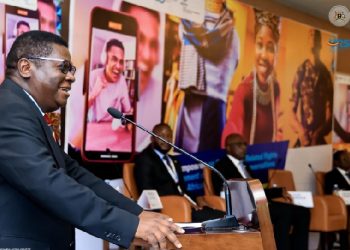
During the meeting, the religious leaders joined President Museveni in a special session with Ugandan herbal researcher Dr. David Ssenfuka, who presented his work on herbal medicines developed to aid the treatment of diabetes and cancer.
The council received a briefing on his research journey, the development of his herbal formulations, and his vision of making affordable treatment options available to Ugandans and the wider African continent.
Bishop Lwere said IRCU has known and supported Dr. Ssenfuka’s work for the past seven years after first engaging with him through the council. He noted that the progress made in his research demonstrates the importance of nurturing local innovation.
“Uganda should encourage and protect indigenous medical innovation. Our country is richly endowed with medicinal plants, talented researchers, and indigenous knowledge that, if properly researched and developed, can make a significant contribution to healthcare, scientific advancement, and economic development,” Bishop Lwere said.
He commended President Museveni for championing indigenous research and creating opportunities for local innovators to showcase their work.
The council emphasized that investing in credible herbal medicine research would strengthen public confidence in locally developed remedies, reduce dependence on imported pharmaceuticals, improve access to affordable healthcare, and position Uganda as a leader in indigenous medical research and pharmaceutical innovation.
However, IRCU cautioned the public against spreading misinformation or making premature conclusions about herbal medicines while scientific validation and regulatory processes are still ongoing.
The council also appealed to the government to tighten oversight of the herbal medicine sector to eliminate unscrupulous practitioners who prey on desperate patients for financial gain, saying stronger regulation would allow genuine researchers and practitioners to thrive.
Bishop Lwere reaffirmed IRCU’s commitment to promoting life, supporting responsible innovation, encouraging scientific excellence, and safeguarding the health and dignity of every Ugandan. He added that faith, science, and innovation should work hand in hand in addressing the country’s health challenges.
Speaking at the meeting, Dr. David Ssenfuka thanked President Museveni for supporting indigenous medical research and expressed gratitude to IRCU for standing behind his innovation.
He encouraged fellow researchers to continue investing in scientific research and innovation to expand safe, effective, and affordable herbal medicine solutions for Uganda and beyond.