


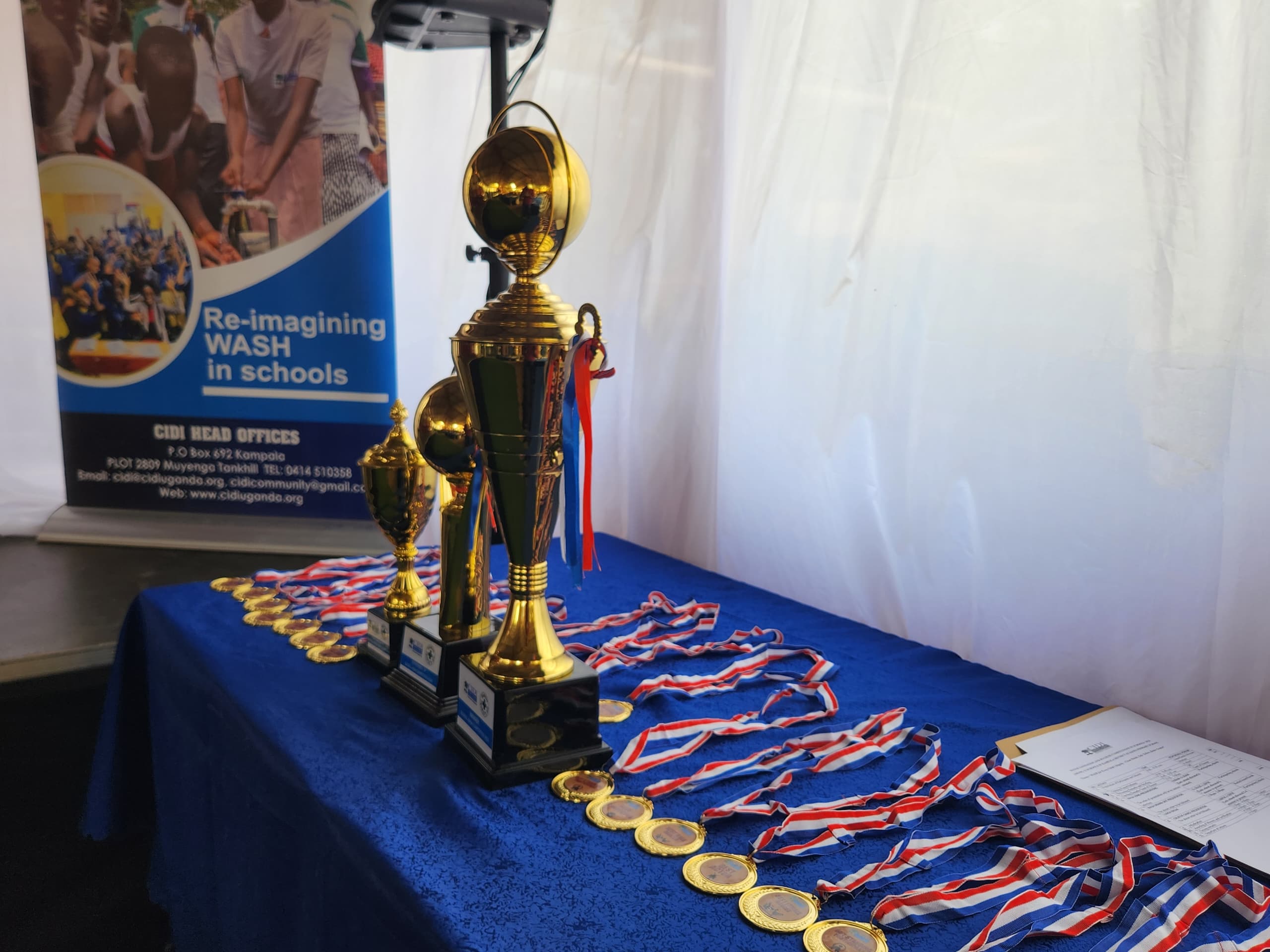
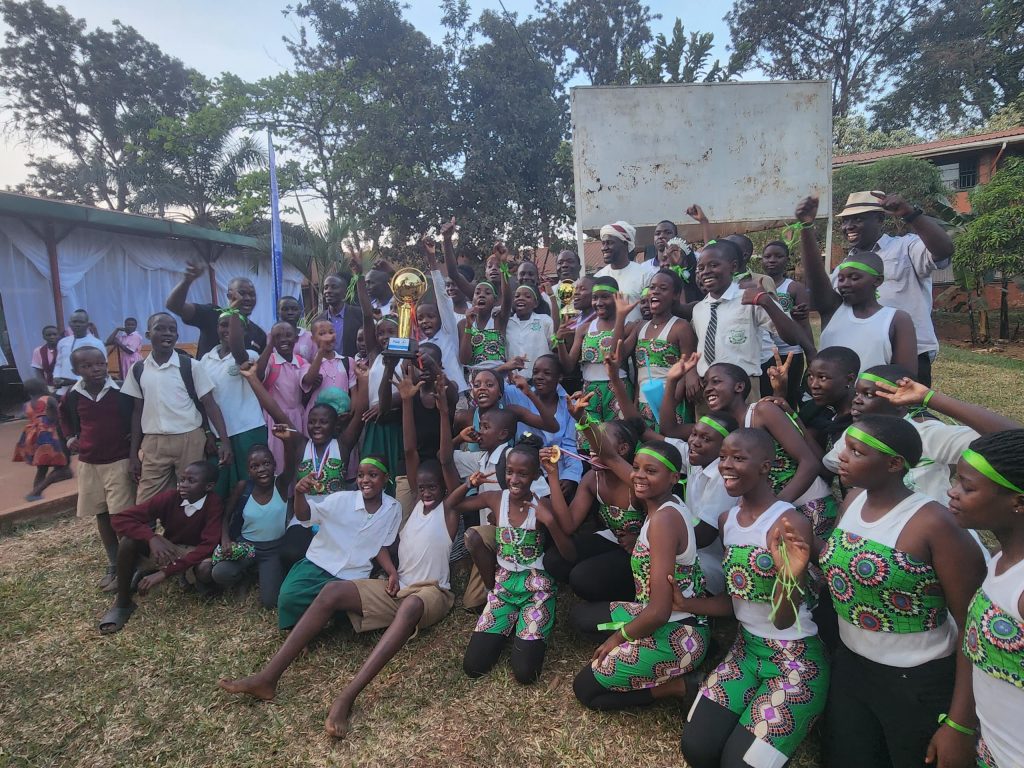
Bukasa Primary School has emerged as the winner of the inaugural Water, Sanitation and Hygiene (WASH) in Schools Competition organised by Community Integrated Development Initiatives (CIDI), with stakeholders using the event to call for increased government investment in school sanitation and hygiene facilities.
The competition formed part of CIDI’s School WASH Project, which seeks to promote sustainable hygiene practices by empowering children to become ambassadors of water, sanitation and hygiene in their schools and communities.
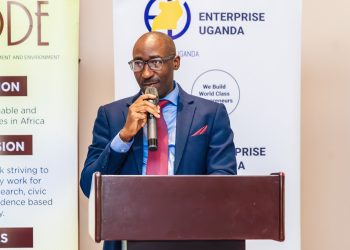
Speaking at the event, CIDI Programme Officer Inviola Nnambi said the competition was designed to assess how well learners had understood and applied the WASH knowledge imparted through continuous training and sensitisation.
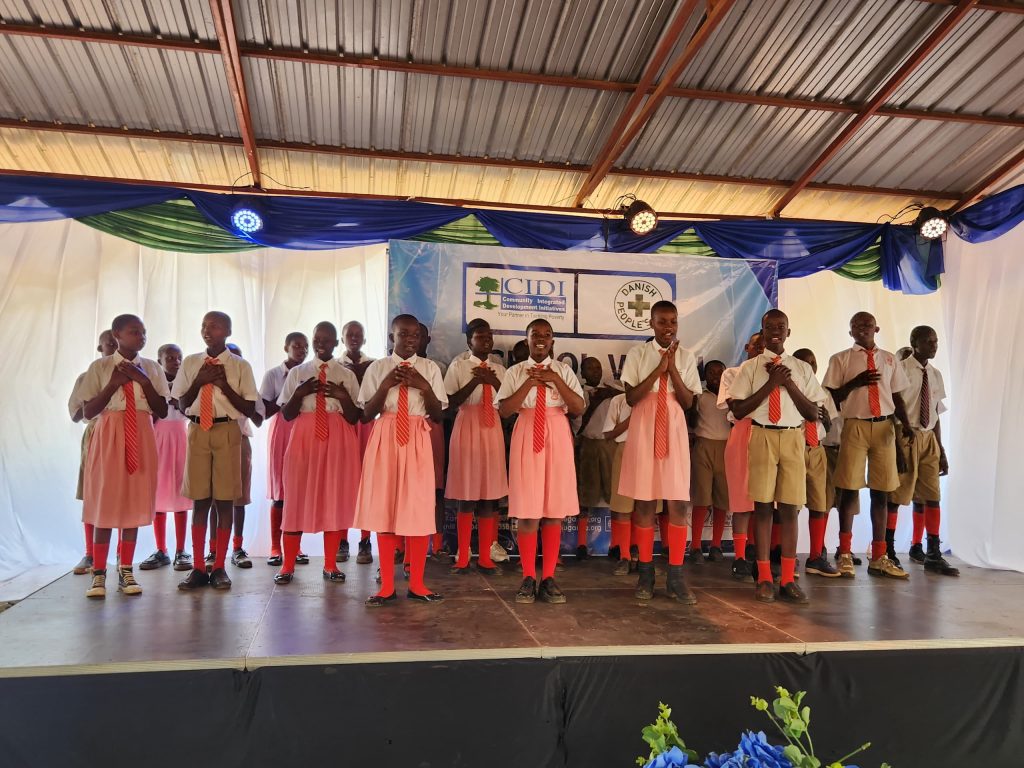
“We wanted to see whether learners had gone beyond classroom learning and could creatively communicate WASH messages. The schools demonstrated this through original songs, drama skits and cultural dances promoting hygiene and sanitation,” Nnambi said.
She explained that the overall winners were determined through a comprehensive assessment that included technical scorecards conducted by education officers, sanitation officers, solid waste officers, division leaders and representatives from Buganda Kingdom. The technical assessment accounted for 60 percent of the final score, while the stage performances contributed 25 percent alongside other project activities.
Despite improvements recorded since the project began, Nnambi said schools continue to face serious WASH challenges, particularly inadequate water supply, insufficient sanitation facilities and high water bills.
She noted that although CIDI supported more than eight schools with rainwater harvesting tanks and rehabilitated WASH facilities, maintaining the infrastructure remains difficult.
“Once a water tank breaks down, an entire school can experience a water crisis. Operation and maintenance of these facilities remains one of the biggest challenges,” she said.
Nnambi also raised concern over poor hygiene practices caused by limited water, revealing that assessments found hundreds of learners washing plates and cups using the same basin of water, increasing the risk of waterborne diseases.
She urged government to increase WASH funding through school capitation grants while calling on development partners and private investors to support schools in accessing safe and reliable water.
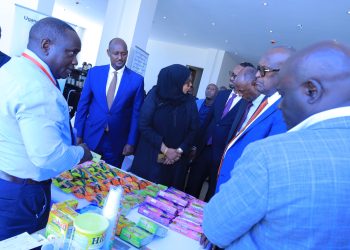
The chief guest, Hon. Silas Aogon, Chairperson of the Uganda Parliamentary Forum on Water, Sanitation and Hygiene (UPF-WASH) and MP for Kumi Municipality, praised CIDI for using schools as a platform to promote lasting behavioural change.
“Children easily receive and spread information. By empowering them with WASH knowledge, we are creating future champions who will transform hygiene practices in their homes and communities,” Aogon said.
He also applauded the project’s emphasis on menstrual hygiene management, saying it has helped reduce stigma among learners by encouraging boys to understand and support girls during menstruation.
“In the past, girls missed school because of shame and stigma. Today, both boys and girls understand menstrual hygiene, and that is helping keep girls in school,” he added.
Aogon further called on Parliament to allocate more resources towards WASH education in schools, saying such programmes should be expanded nationwide.
“I will encourage Parliament to budget more for this kind of advocacy so that it reaches every school across Uganda. That is how we shall change our country,” he said.
Nakawa Division Mayor Ali Bukeni, popularly known as Nubian Li, encouraged learners to actively participate in co-curricular activities, saying they build confidence, strengthen teamwork and improve academic performance.
“When you participate in such activities, you gain confidence to stand before people and express yourself. It also enhances your academics because you memorise songs, words and movements,” he said.
He also urged learners to maintain cleanliness both at school and in their communities, noting that good hygiene keeps children healthy, reduces absenteeism and improves learning outcomes.
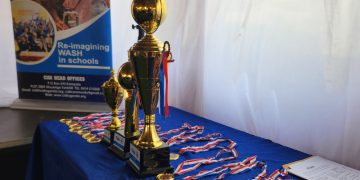
The competition concluded with awards recognising schools that excelled in promoting innovative and sustainable WASH practices, reinforcing the role of learners as key drivers of positive hygiene behaviour both in schools and within their communities.