


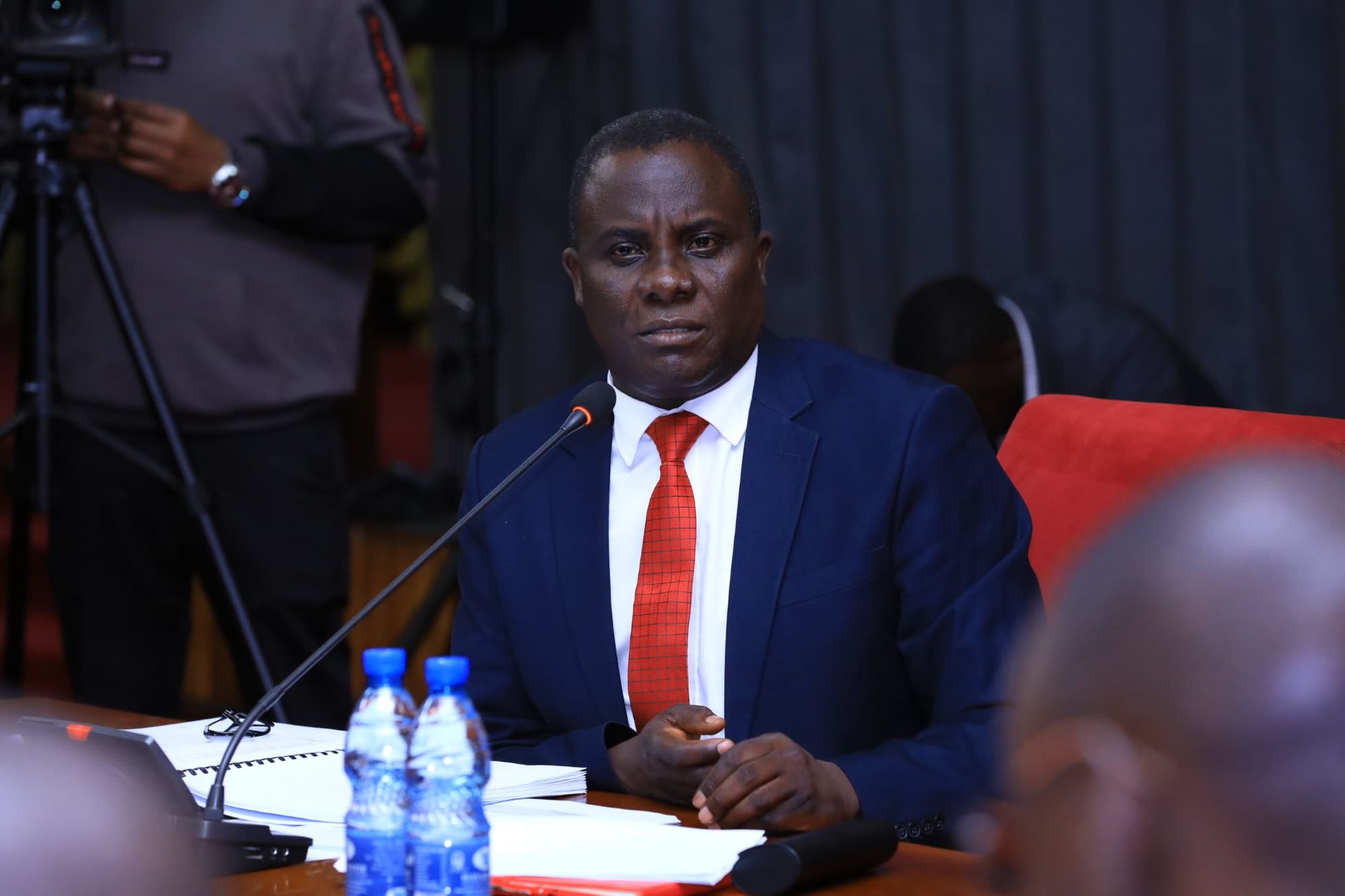
The High Court in Kampala has directed the government to complete investigations into the whereabouts of former Butambala County Member of Parliament Muhammad Muwanga Kivumbi before determining his application seeking his production before court or his unconditional release.
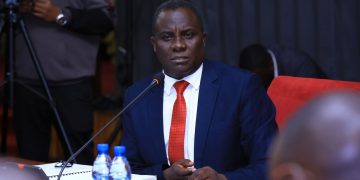
In a ruling delivered today, High Court Judge Collins Acellam ordered the respondents, including the Chief of Defence Forces, the Inspector General of Police, and the Attorney General, to file an affidavit within seven days detailing the findings of their investigations into Kivumbi’s alleged disappearance.
The matter has been scheduled for further hearing on July 29, 2026.
Kivumbi’s lawyers petitioned the court for a writ of habeas corpus, asking the authorities to produce him before court, dead or alive, or release him unconditionally after he was allegedly arrested by armed operatives on July 10, 2026, at a police checkpoint in Mpigi.
The former legislator was reportedly re-arrested two days after being granted cash bail of 10 million shillings by International Crimes Division Judge Susan Okalany. He was granted bail alongside 16 others facing terrorism charges over alleged attacks on Kibibi Police Station and the Butambala Electoral Commission tally centre during the January 2026 elections.
Before his release on bail, Kivumbi had spent about six months on remand.
His lawyers told the court that unidentified military operatives, allegedly assisted by police officers, arrested him without a warrant, failed to identify themselves, and have since denied him access to his family, lawyers, and medical care.
However, the respondents denied holding Kivumbi in custody. In an affidavit sworn by Assistant Commissioner of Police Godwin Tumugumye, the Uganda Police Force said it neither arrested nor detained Kivumbi and that there were no police records indicating that he was in its custody.
Police maintained that although Kivumbi’s vehicle was stopped at a checkpoint, there was no evidence linking the force to his alleged disappearance.
Kivumbi’s brother, Hajji Musa Lutaaya, who was travelling with him at the time of the incident, disputed the police account. He told the court that police officers at the checkpoint assisted military personnel in removing Kivumbi from his vehicle and taking him to an unknown destination.
Lutaaya further claimed that Kivumbi was later taken to Bombo Military Hospital in critical condition after allegedly being tortured by his captors.
In his ruling, Justice Acellam said that the writ of habeas corpus is a constitutional safeguard meant to protect personal liberty by requiring authorities holding a person in detention to produce them before court so that the legality of the detention can be examined.
The judge observed that Kivumbi’s whereabouts remain unknown and that the police have denied holding him. He said issuing the writ at this stage would not be effective because the court has not established which authority would be required to produce him.
“An order of habeas corpus would be ineffective at this stage if it cannot be directed to the person or authority required to produce the applicant,” Justice Acellam ruled.
The judge therefore granted the respondents time to continue their investigations and report back to the court within seven days.
Meanwhile, Kivumbi is facing terrorism-related charges in which the prosecution alleges that he masterminded attacks on Kibibi Police Station and the Butambala Electoral Commission tally centre.
The prosecution alleges that the attacks were intended to influence government actions and intimidate the public for political or economic purposes.
The state claims that the incidents led to the deaths of seven people and caused damage to property, including vehicles and sections of the Butambala-Gomba Road.
The deceased were identified as Sarah Naggayi, Aisha Nabukenya, Milly Nampereza, Ruth Nakanjako, Nsamu Abdulnoor, Shafik Miiro, and Davis Basaliza.