


The government has directed the Kampala Capital City Authority (KCCA), municipalities and district local governments to plan for the establishment of mini clinics within major market spaces to provide basic medical services to market workers and their families.
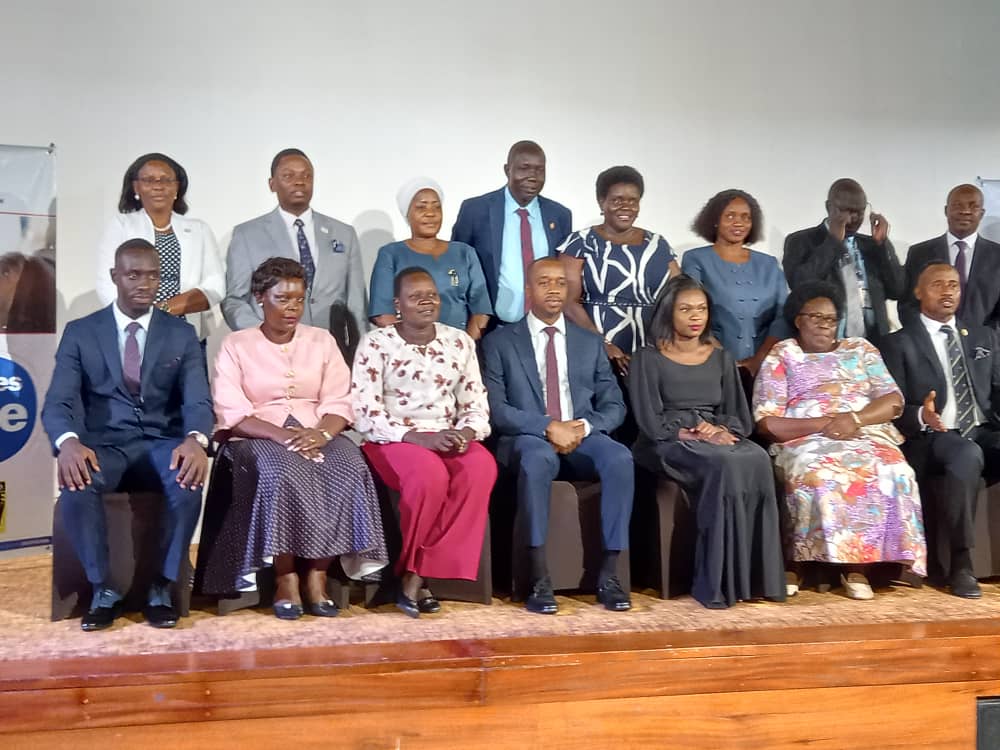
The Minister of State for Primary Health Care, Dr Charles Ayume, made the call while addressing a high-level stakeholder sensitisation meeting on the national Measles-Rubella vaccination campaign at Kabira Country Club in Kampala.
The meeting was aimed at developing strategies for implementing the planned national mass Measles-Rubella vaccination campaign, which targets more than 7.5 million children below the age of five.
Ayume urged the Parliamentary Budget Committee to prioritise funding for the campaign, saying inadequate immunisation coverage continues to expose millions of children to preventable diseases.
He also directed KCCA, municipalities and district local governments across the country to budget for the establishment of mini clinics in major markets, with a particular focus on women and young people who spend most of their working hours in the markets.
According to the minister, the government has established that many women and young people working in markets do not access health facilities because of their demanding work schedules.
As a result, they often miss essential services such as HIV testing and treatment, screening for non-communicable diseases and cancers, antenatal care and other routine medical services.
Ayume said the same challenge affects children below five years whose mothers or caregivers are unable to take them to health facilities for routine immunisation because of their work commitments.
He warned that the situation is leaving millions of children vulnerable to vaccine-preventable diseases.
“I am grateful that the Chairperson of the Budget Committee of Parliament is in the house, and I hope they will budget for this component of clinics or mini-dispensaries in markets to target these people within the market spaces with medical services,” Ayume said.
The minister said the proposal was informed by technical presentations made during the stakeholder meeting on the state of immunisation and communicable diseases in the country.
Dr Rita Atugonza, Deputy Programme Manager at the Uganda National Expanded Programme on Immunisation (UNEPI), presented an overview of the Measles-Rubella situation in Uganda and the upcoming vaccination campaign.
Jimmy Ameny, Gavi Grants Coordinator at the Ministry of Health, presented an overview of the current immunisation financing landscape, while Dr Stavia Turyahabwe, Commissioner for National Disease Control at the Ministry of Health, presented an overview of the communicable disease situation in the country.
Ayume said the presentations had highlighted several vulnerabilities affecting Uganda’s child immunisation programme, including the failure of some mothers and caregivers to complete scheduled vaccine doses.
He said incomplete immunisation leaves children vulnerable to serious vaccine-preventable diseases that can result in long-term health complications and disabilities.
Other challenges highlighted included funding gaps for vaccines and related logistics, inadequate human resources and gaps in technical and operational capacity within the health system.
The minister said strengthening access to health services at community level, including through mini clinics in markets, would help bridge some of these gaps by taking essential services closer to people who may otherwise struggle to access conventional health facilities.