


KIGALI, Rwanda — Heifer International has called for innovative financing models that can unlock more private capital for African farmers and agricultural businesses investing in climate-smart technologies.
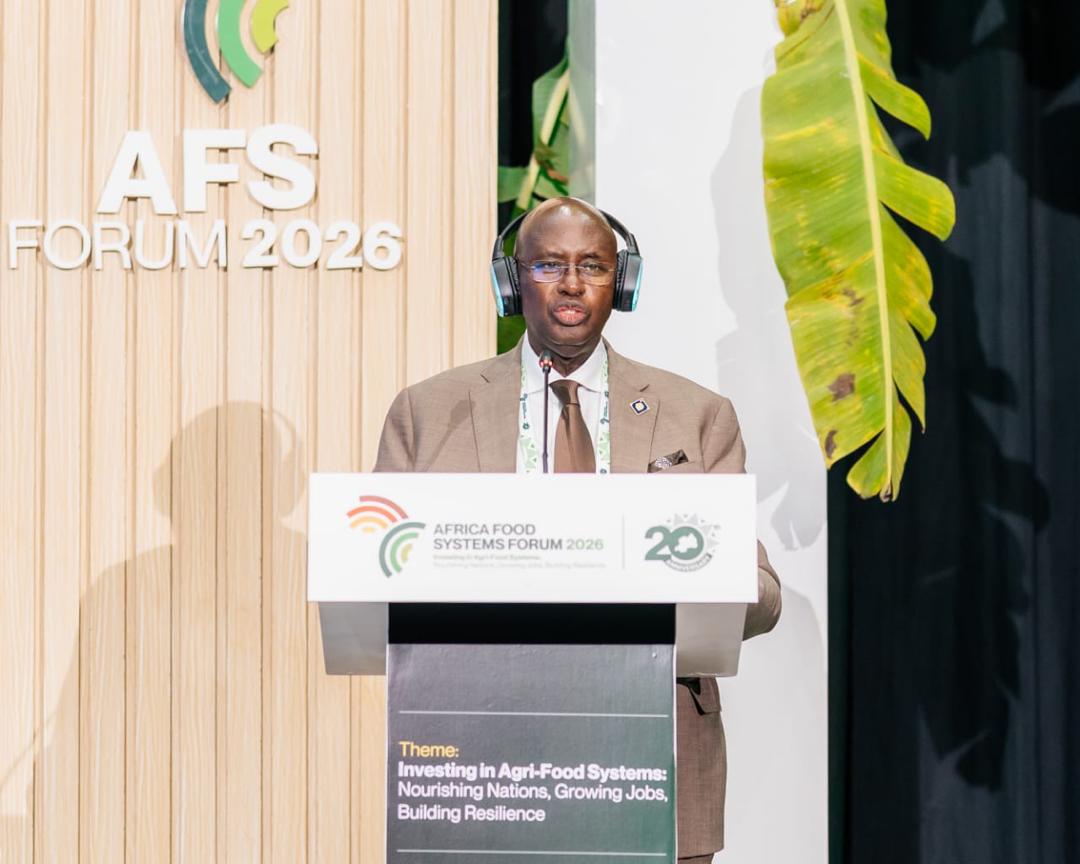
The call was made during the Climate Finance Nexus Forum convened by Heifer International at the Africa Food Systems Forum in Kigali, Rwanda, bringing together government officials, financial institutions, development partners, technology companies and farmer organisations to discuss how to make climate investments more accessible to farmers.
Across Africa, farmers are increasingly adopting solutions such as solar irrigation, renewable energy for cooling and processing, and improved water management. However, many continue to struggle to access financing suited to the scale and risks of these investments.

Safia Boly, Senior Vice President for Africa at Heifer International, said climate finance must reach farmers in forms that can be used to grow businesses rather than remain concentrated in grants.
“If we get this right, climate finance reaches the first mile, and it arrives as credit a business can use rather than a grant it has to wait for. That is what I hope we are all working towards,” Boly said.
She added that concessional capital should be used to absorb risks for lenders and make commercial investments possible rather than simply paying for agricultural assets.
Uganda’s dairy sector was highlighted as an example of how partnerships between farmers, technology providers, financial institutions, processors and insurers can turn climate solutions into investable businesses.
At Migina Milk Collection Centre, Heifer’s solar-powered cooling intervention has been associated with the elimination of milk losses, with the centre now chilling about 197,321 litres of milk each month and recording a 22.6 percent increase in milk suppliers. The centre had previously experienced losses due to unreliable electricity and generator breakdowns.
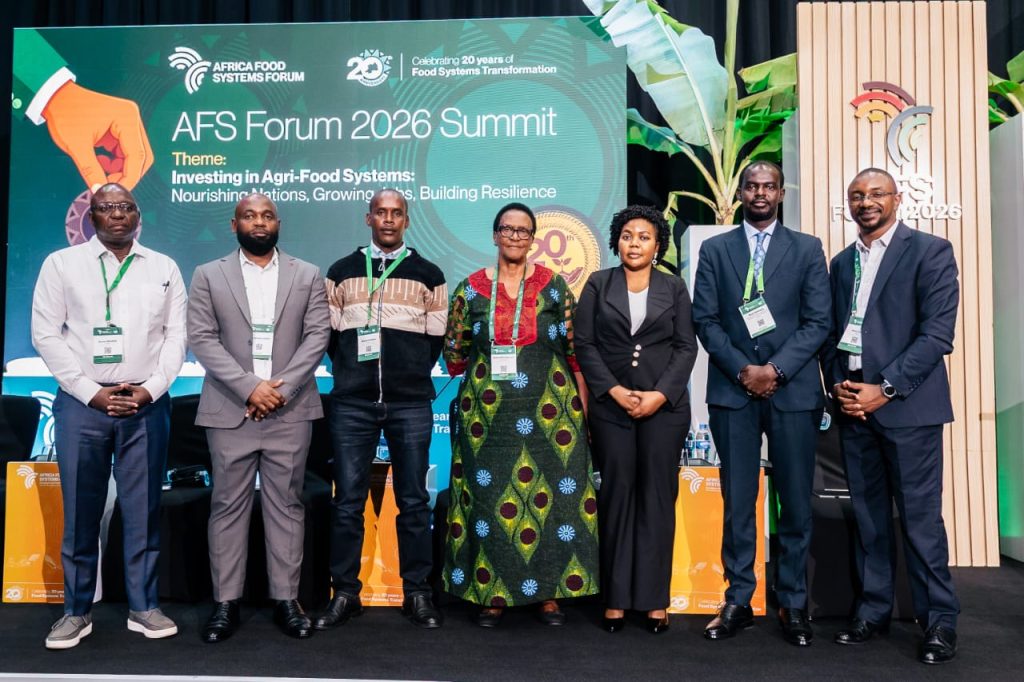
William Matovu, Heifer International’s Country Director for Uganda, said the experience demonstrated that the major challenge in African agriculture is not necessarily the absence of viable businesses, but making those businesses bankable.
“For years, when we took dairy cooperatives to banks, the answer was always the same: they could not see the business. In African agriculture, the constraint is bankable transactions and building them is the real work,” Matovu said.
He explained that Heifer’s approach was to demonstrate that solar-powered cooling could improve the economics of dairy cooperatives enough to allow banks to provide commercial credit.
Matovu said unreliable cold chains had previously contributed to falling milk volumes, weaker supply contracts and reduced bargaining power for cooperatives, making the sector appear riskier to lenders.
To address the challenge, Heifer worked with Stanbic Bank and other partners to develop a financing model in which solar and cooling equipment could be financed through commercial credit. The first systems were placed on Heifer’s balance sheet to build an operating history before cooperatives could access financing themselves.
The resulting model brings together five key players: the cooperative, which operates the collection centre and generates the cash flow; the technology and engineering partner, which installs and maintains the solar system; the processor, which provides a reliable market; Stanbic Bank, which provides credit secured against the solar asset; and insurance providers, which cover equipment and loan exposure.
Catalytic funding from the Charles Stewart Mott Foundation, Carbon Trust and aBi Development also helped absorb early risks and make the commercial financing possible.
Matovu said Heifer’s role has been critical in bringing the different partners together, structuring the risks and supporting farmers and cooperatives even after the systems are commissioned.
The initiative has also generated lessons on what works and what needs to be improved. Matovu said the Nabitanga site, which was connected to the national grid but initially lacked sufficient battery storage, did not achieve the same diesel savings as the off-grid sites.
The experience has since influenced how future systems are designed, with Heifer now prioritising off-grid, battery-backed sites and sizing systems according to the specific energy needs of each milk collection centre.
Governance, record keeping and the ability of cooperatives to service loans have also emerged as important factors in making agricultural businesses bankable.
At Migina, Matovu said, milk losses fell to zero after the solar system was installed. Before the intervention, generator breakdowns alone were costing the centre about US$2,600 per month.
Across the portfolio, an independent evaluation has measured about 71,000 litres of diesel displaced annually and 190 tonnes of carbon dioxide emissions avoided.
The model has also influenced the wider financial sector, with Stanbic refining its renewable energy asset finance product and extending loan tenors to between five and 10 years. Seven cooperatives have so far received solar systems.
Opening the forum, Uganda’s Minister of State for Agriculture, Animal Industry and Fisheries, Hon. Dr. Bright Rwamirama Kanyontore, said government cannot finance agricultural transformation alone and called for stronger links between productive agricultural businesses, technology, markets and finance.
“The opportunity before us is to connect productive agricultural businesses, appropriate technology, reliable markets and suitable financing. When these elements come together, climate solutions become investable opportunities capable of attracting private capital,” Rwamirama said.
He said the approach could be extended beyond dairy to areas such as solar irrigation, cold storage, agricultural processing and other productive-use technologies across East Africa.
Rwamirama also said the development of such financing models could create opportunities for young people to participate in agriculture as technicians, operators, entrepreneurs and managers of increasingly technology-driven businesses.
Matovu said the objective is not to present the Uganda model as a finished solution, but to share what Heifer and its partners are testing, learning and refining.
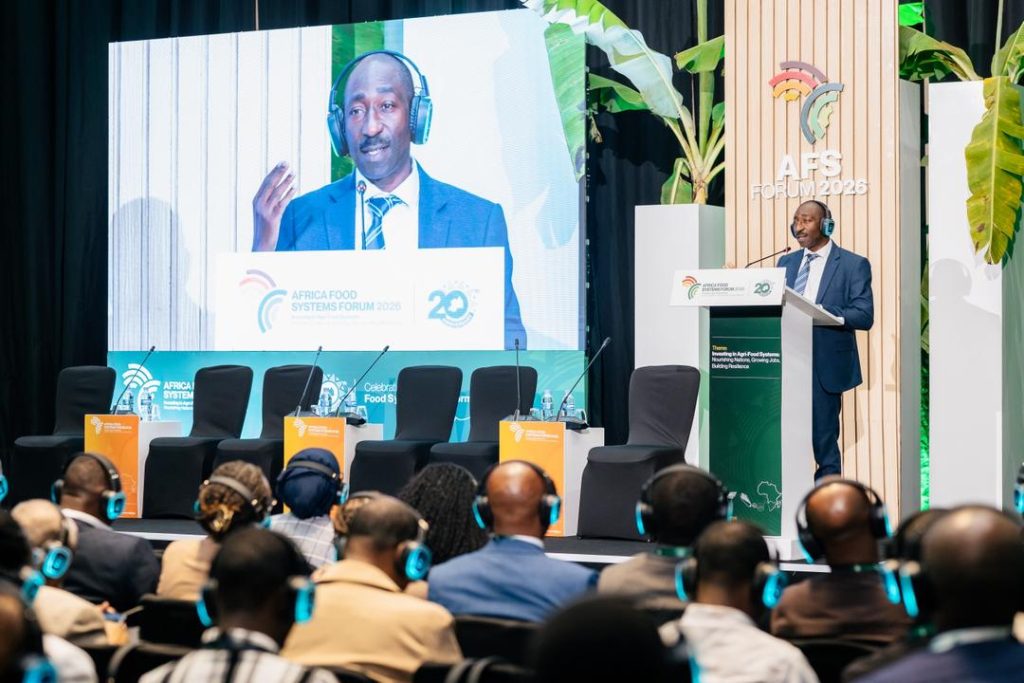
“We are not here to chest-thump about the model but to share what we are testing, learning and refining, and contribute to Africa’s food systems,” he said.
He said the approach of testing, learning, refining and scaling is critical if Africa is to build resilient food systems.
Uganda’s experience comes at a time when agriculture remains an important part of the economy, accounting for approximately 26 percent of GDP. The dairy sector is also expanding as a source of value addition, employment, exports and farmer incomes, although the perishability of milk makes reliable energy for cooling, storage and processing essential.
With more than 100 additional milk collection centres in Uganda identified as requiring investment, Heifer is now seeking partners to help scale the model.
Matovu said the ultimate goal is to move from individual successful interventions to financing structures that can be replicated across agricultural value chains and enable climate finance to reach the farmers and enterprises at the heart of Africa’s food systems.