



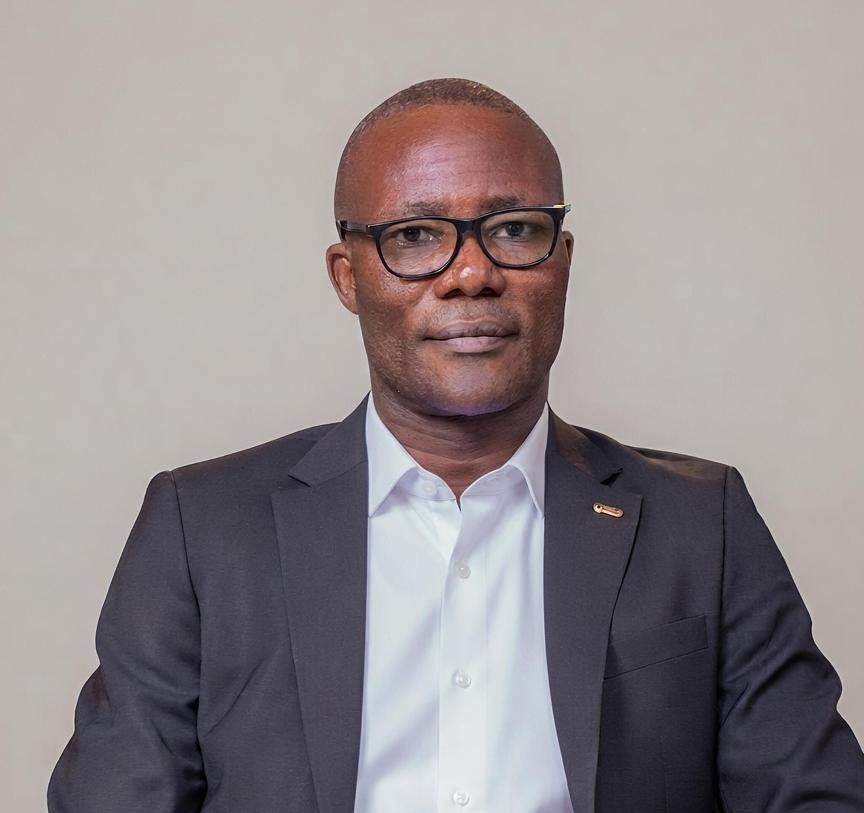
By Simon Ssekankya Nsubuga, Managing Director Hardware World Ltd
For most Ugandans, building a home is not something that happens overnight. It takes years of saving, borrowing and making sacrifices. So, when the walls are finally up and it is time to put on the roof, the first question is often simple, “How much is it going to cost?”
That is a fair question. But perhaps we should also ask, “How much will this roof cost me in the years ahead?”
A roof is one of the biggest investments in a building, yet it is sometimes where people try hardest to cut costs. The cheaper option may appear attractive at the construction stage, but it can become expensive when repairs, replacements and damage to other parts of the house start adding up.
Uganda’s housing situation makes this issue even more important, with serious housing shortage. According to the 2024 National Population and Housing Census, there are over 10.7m households, with housing deficit of 2.4million units. This deficit implies many units needed and Uganda has to build more. But also, there’s need to build homes that stand a test of time.
Take the example of a family that has spent years saving to build a three-bedroom house; the walls are complete but money is running low, the family gets quotations for different materials and chooses the cheapest option because they want to finish the house and move in.
For the first few years, everything seems fine but the issues to start when the sheet begins to leak during heavy rain; another section gets damaged by strong winds, the family calls a fundi to fix it. Month later, another leak appears.
Each repair may not seem like a lot of money on its own, however, over five or ten years, those small expenses can add up to a substantial amount. There’s also an inconvenience associated to it, where every time it rains, buckets come out, furniture has to be removed and sleep becomes difficult.
According to Uganda Bureau of Statistics, 75% of Ugandan households live in houses roofed with iron sheets, and this implies the quality and durability of roofing materials affect millions of families.
The price paid at the hardware shop should not be the only consideration when choosing a roof. A good roof helps protect ceilings, walls, electrical installations, furniture and other household belongings. When water gets through repeatedly, it can cause damage that goes far beyond the roofing sheets.
This is where quality becomes important. Quality also extends to installation, even good roofing materials can fail when they are poorly installed, wrong measurements, poor fixing, inadequate support and careless workmanship can leave a roof vulnerable to leaks and damage.
A good roofing system is a combination of durable materials, proper design, and correct installation.
For instance, the Uganda Baati’s Dumuzaz has been part of Ugandans for decades and has served the same basic purpose: protecting an investment that may have taken years to build. Dumuzaz is coated with ZincAl (55% aluminium, 43.4% zinc, and 1.6% silicon) for superior rust resistance and durability
The bigger question for Uganda’s construction industry is whether we are doing enough to encourage people to think about the long-term cost of construction; when someone is building on a tight budget, it is easy to focus on today’s price. But a house is expected to serve a family for decades.
The better approach is to consider the full cost over the life of the roof. For instance, how often will it need repairs? How long is it expected to last? Can it withstand Uganda’s weather conditions? How much will maintenance cost? Will it protect the rest of the building?
These are questions worth asking before making a roofing decision.
After all, building a home is more than putting up walls and covering them with sheets. It is about creating a safe and lasting place for a family. For many Ugandans, that house represents years of sacrifice and hope for the future.
The author is the Managing Director Hardware World Ltd