


Uganda’s boda boda unions have petitioned Parliament to reduce the Shs714,300 fee charged for digital number plates, saying the cost is unaffordable for most riders and that prolonged delays in issuing the plates are disrupting livelihoods across the country.
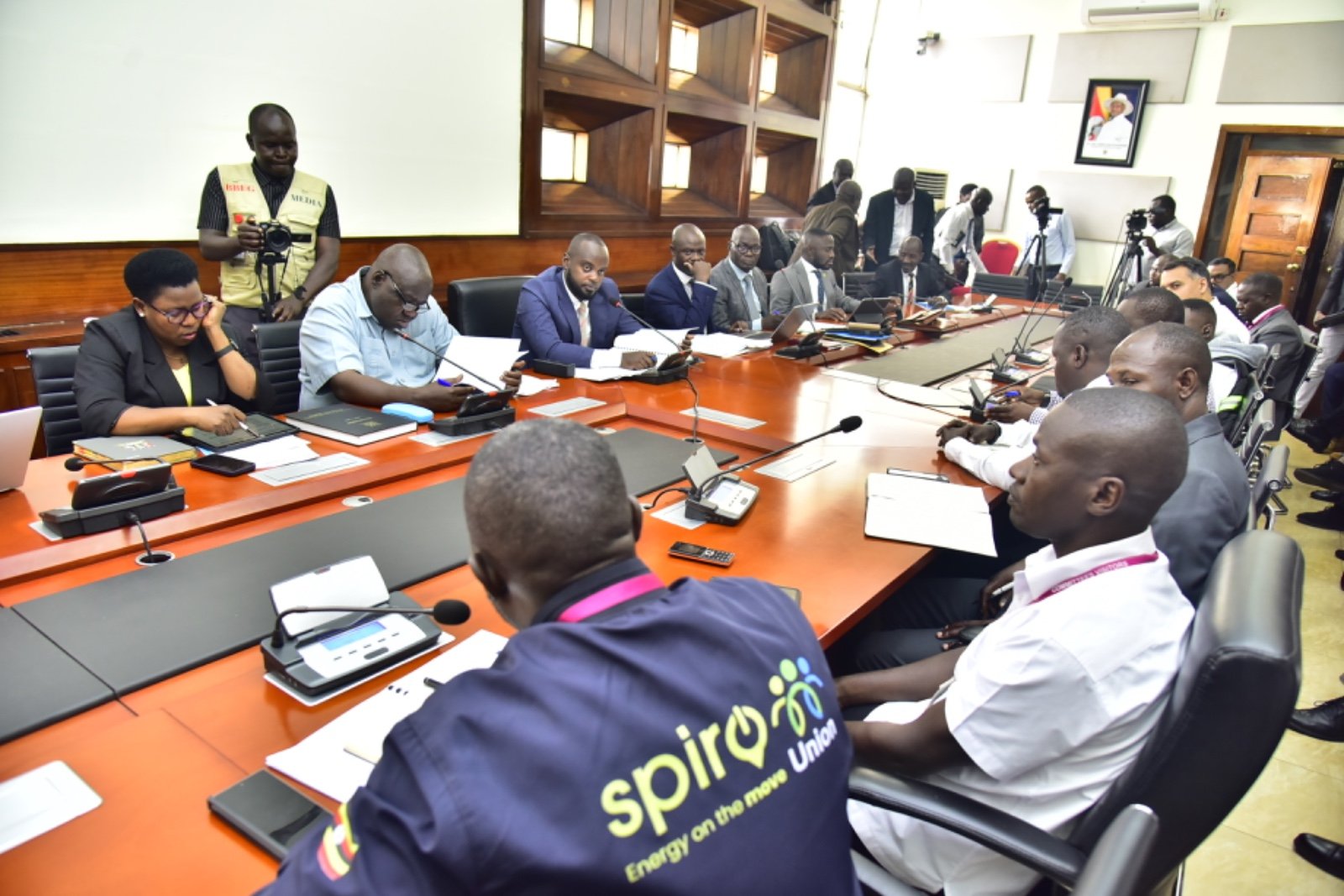
The appeal was presented by Frank Mawejje, chairperson of an alliance representing boda boda, taxi, bus and truck drivers’ unions, in a written submission to Parliament’s Committee on Physical Infrastructure, which is investigating delays in the rollout of the Intelligent Transport Monitoring System (ITMS).
Mr Mawejje argued that the current fee is more than a week’s earnings for many boda boda riders and is over 470 percent higher than the previous registration charge of Shs125,000. He said most riders earn between Shs20,000 and Shs40,000 a day, making the new cost difficult to afford.
He also raised concerns over slow verification processes, system outages and production shortages, saying thousands of motorcycles have remained grounded for weeks, months and, in some cases, more than a year despite owners having paid for the plates.
The submission comes amid ongoing production challenges facing the ITMS contractor. Committee chairperson and Mbarara City South MP Mwine Mpaka recently revealed that daily production of digital number plates had fallen from about 350 to 100, estimating that the delays are costing the country more than Shs4 billion every week.
The digital plates are produced by Russian firm Joint Stock Company Global Security under a 10-year contract. Works and Transport Minister Fred Byamukama had earlier directed the company to resolve the production bottlenecks and restore normal supply by August 30.
Mr Mawejje said riders who have already paid for number plates continue to face enforcement measures, including fines, impoundment of motorcycles and loss of income, despite the delays being beyond their control. He added that those purchasing motorcycles through loans or lease arrangements are struggling to meet repayments while unable to work, exposing them to loan defaults and repossession.
The alliance also criticised the cost of replacing lost or damaged digital plates, the lengthy procedures required to obtain duplicate plates and additional expenses such as inspection fees, newspaper advertisements and transport to installation centres. Riders, he said, continue to endure long queues, verification failures and repeated system outages that consume valuable working hours.
According to the submission, new motorcycles have also remained stuck in bonded warehouses because they cannot be released without digital number plates, affecting riders, vehicle importers and asset-financing companies.
Beyond the financial burden, the alliance raised concerns over data privacy, saying many riders fear misuse of personal information and continuous tracking without adequate public education on how the system operates. Mr Mawejje said most cases of non-compliance result from confusion rather than deliberate defiance.
Despite the concerns, the alliance said it supports government’s efforts to digitise vehicle registration, noting that the system has the potential to reduce vehicle theft, improve police investigations and eliminate duplicate number plates. However, it warned that the current implementation has undermined public confidence and disrupted livelihoods.
The alliance has submitted more than 25 recommendations to Parliament. Among them are reducing or subsidising registration fees for low-income riders, allowing payment in instalments through Saccos, issuing digital number plates within seven to 14 days, establishing more installation centres and deploying mobile registration units to underserved areas.
It also wants temporary permits issued to riders awaiting plates, penalties waived where delays are caused by the system, and compensation for operators who have paid but remain unable to work. Other proposals include publishing a clear data protection policy, creating an independent oversight committee with boda boda representatives, conducting nationwide public awareness campaigns and establishing a 24-hour customer support helpline.
The alliance is further seeking formal recognition as a government partner in mobilisation, registration and public sensitisation, including the use of transport Saccos as payment channels for digital number plate services.
The organisation says it represents more than 1.2 million boda boda riders, 21,000 taxis and 900 buses, describing Uganda’s transport sector as the country’s second-largest employer after agriculture, with operators having invested an estimated Shs4.2 trillion in vehicles.
Mr Mawejje’s concerns mirror those raised earlier by motor vehicle dealers, who called for the cancellation of the contractor’s 10-year agreement following repeated failures to deliver number plates. Parliament’s Committee on Physical Infrastructure is expected to continue its inquiry into the rollout of the ITMS before making recommendations to government.