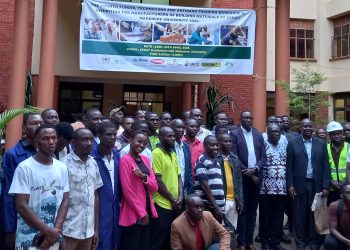



KAMPALA, Uganda (UGNEWSLINE) — Uganda will host a three-day international summit bringing together representatives from more than 22 countries to address copyright protection, combat piracy and improve earnings for artists and other creative professionals across Africa.
The meeting, scheduled for October 19–21 at Speke Resort Munyonyo in Kampala, comes amid growing calls for stronger safeguards against the unauthorised use of creative works and more transparent systems for collecting and distributing royalties.
Organised by the African Regional Intellectual Property Organization (ARIPO), the World Intellectual Property Organization (WIPO) and the Uganda Registration Services Bureau (URSB), the symposium will examine how intellectual property rights can support sustainable economic development across the continent.
Ugandan officials say recent changes to the country’s copyright framework are intended to strengthen enforcement and improve protections for musicians, filmmakers, writers, photographers and other creators, whose work is increasingly distributed through digital platforms.
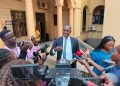
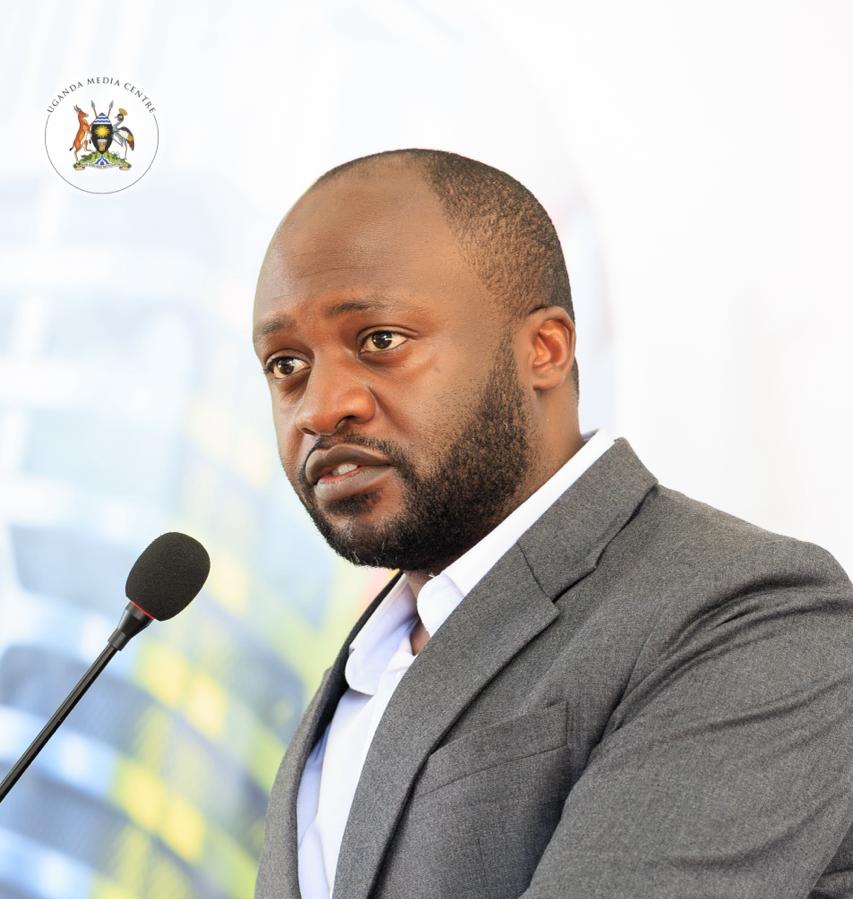
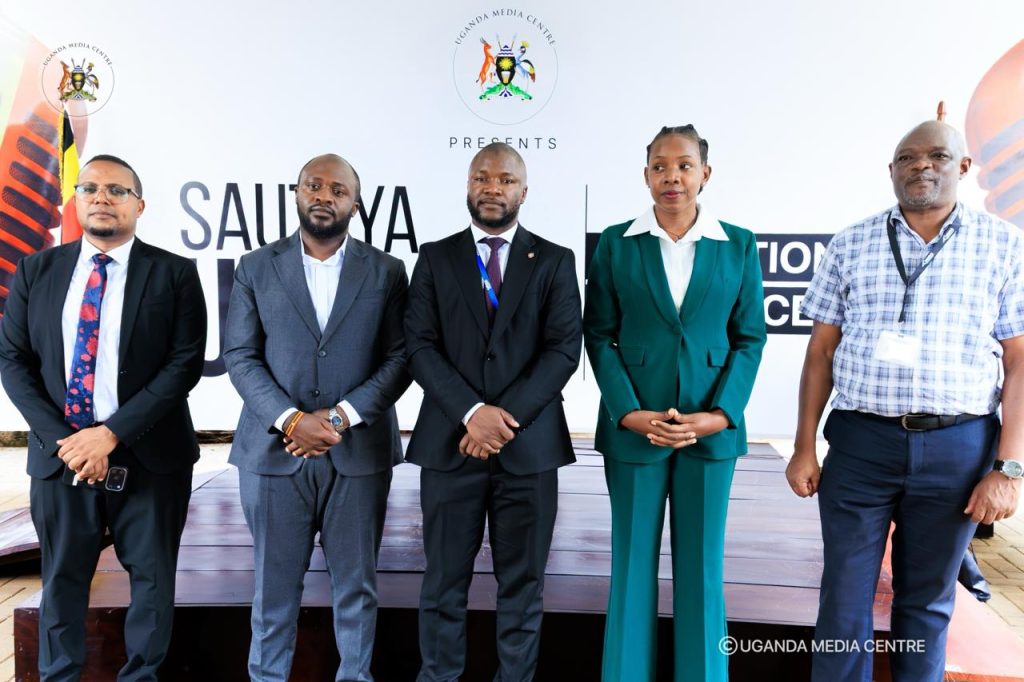 Mustapher Ntale, the acting registrar general at URSB, said the gathering would provide an opportunity for participating countries to exchange experiences and develop practical approaches to persistent copyright challenges in the digital economy.
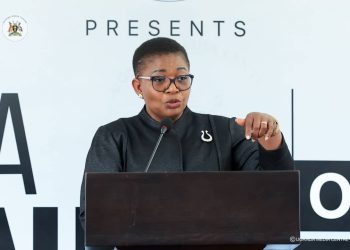
Miriam Nabatanzi, URSB’s head of compliance and enforcement, said amendments to Uganda’s Copyright and Neighbouring Rights law had strengthened penalties for infringement, with sanctions including imprisonment of up to 10 years and fines of up to 50 million Ugandan shillings ($13,500), subject to the applicable legal provisions and court decisions.
The reforms also provide for creators to receive 60% of revenue generated from caller ring-back tones and establish a mechanism through which they may reclaim certain economic rights transferred to others after 20 years, subject to statutory conditions.
Nabatanzi urged artists to formalise agreements governing the use of their work, including arrangements covering ownership, payment and commercial exploitation.
She also highlighted provisions requiring copyright-related contracts to be registered with URSB within 60 days of signing.
The revised framework incorporates five international copyright treaties and provides for stronger cross-border protection of eligible creative works.
It also allows URSB to handle certain copyright disputes through quasi-judicial procedures, with appeals against the registrar’s decisions available to the High Court.
Martin Muhumuza, representing musician and Senior Presidential Advisor on Creatives Eddy Kenzo, called for greater transparency in royalty payments, stronger enforcement mechanisms and digital systems capable of tracking the use of creative works.
He said legal protections needed to deliver tangible financial benefits to artists, arguing that the creative sector could generate employment, expand business opportunities and contribute to economic growth if creators received fair compensation.
URSB has encouraged artists to register their works to help establish ownership records, although copyright protection generally arises automatically when an original work is created and fixed in a tangible form, without registration being a universal requirement.
Ntale said the bureau was upgrading its systems and expected to introduce automated copyright registration before the end of 2026.
The Kampala meeting is expected to bring together intellectual property officials, policymakers, collective management organisations and representatives of the creative industries to discuss improvements in copyright administration, royalty collection and enforcement.
The symposium will also form part of activities ahead of ARIPO’s 50th anniversary celebrations in November, placing Uganda at the centre of discussions on how African countries can better protect creative talent and ensure that the economic value of artistic work reaches its creators.