


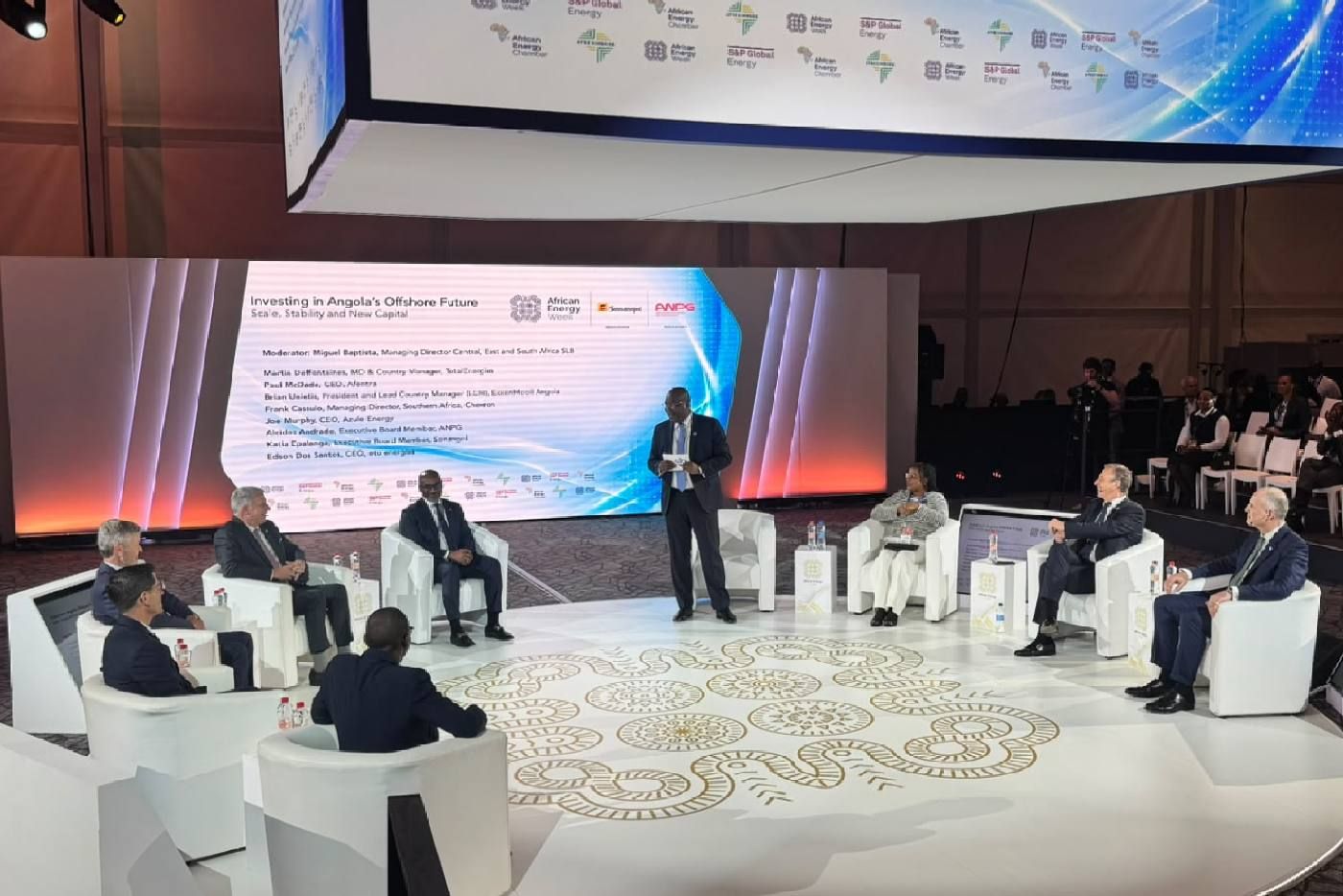
CAPE TOWN, South Africa (UGNEWSLINE) – ExxonMobil and TotalEnergies have outlined a combined $7 billion in upstream investments in Angola, highlighting how regulatory reforms, infrastructure-led development and renewed exploration are attracting capital to the country’s oil and gas sector.
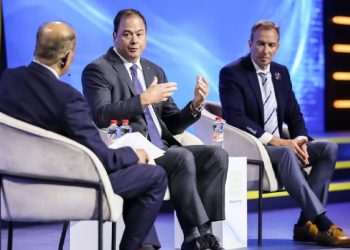
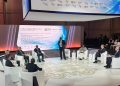
The investments, announced during the Invest in Angola panel discussion at African Energy Week (AEW) 2026, comprise ExxonMobil’s ongoing $4 billion tie-back programme and an additional $3 billion investment by TotalEnergies and its partners.
The investments come as Angola seeks to increase exploration activity and extend production from mature offshore assets.
Speaking during the session, sponsored by the National Oil, Gas and Biofuels Agency (ANPG) and Sonangol, Brian Unietis, President and Lead Country Manager of ExxonMobil Angola, outlined the company’s investments in offshore redevelopment and advanced exploration technologies.
Following the Vicango Este-01 discovery in Block 15 in September, ExxonMobil is drilling another exploration well while conducting a 4D seismic survey across the concession.
“We are conducting a 4D seismic across the entire Block 15 using leading industry technology to understand what we have so we can bring production online quicker than we have ever been able to before,” Unietis said.
“We are in the midst of a $4 billion tie-back programme while extending the life of FPSOs at the fields.”
TotalEnergies is also leveraging Angola’s regulatory reforms to extend asset life and unlock additional production.
Martin Deffontaines, Managing Director and Country Manager of TotalEnergies, said the country’s Incremental Production Decree had enabled the company and its partners to invest an additional $3 billion, alongside a 20-year extension of the Dalia field.
“Since the decree, we have managed to invest an additional $3 billion alongside our partners,” he said. “Without these reforms, we would not be where we are today.”
TotalEnergies currently operates six floating production, storage and offloading (FPSO) vessels in Angola, with a seventh under development. The company also announced the Acacia-5 discovery in September this year and agreed to enter two additional exploration blocks, reinforcing its strategy of developing resources near existing production infrastructure.
The investment announcements come as ANPG prepares to accelerate drilling under its Hydrocarbon Strategy 2025–2050.
Alcides Andrade, Executive Board Member at ANPG, outlined plans to increase exploration, commercialise discovered resources and strengthen gas development.
“We aim to drill between 10 to 15 wells per year to be able to capture and address the reserve challenges we have,” Andrade said, adding that competitiveness, sustainability and local capacity development remain central priorities.
Independent operators are also expanding their role in Angola’s upstream sector.
Paul McDade, Chief Executive Officer of Afentra, highlighted opportunities in mature shallow-water and onshore assets, supported by fiscal incentives and partnerships with local companies.
“We have been able to turn a $40 million business into a $300 million business and that is because of the partnerships but also the fiscal environment,” he said.
Afentra is advancing redevelopment activities at Blocks 3/05 and 3/05A, where it is pursuing additional equity interests, subject to outstanding approvals and completion requirements.
Meanwhile, Chevron is targeting greater value from Angola’s gas resources following its recent discovery in Block 0.
Frank Cassulo, Managing Director for Southern Africa at Chevron, highlighted the company’s contribution to Angola LNG and its participation in the New Gas Consortium.
“We unlocked a new resource this year which was only made possible with current regulation,” he said. “Our focus is to maximize value from the gas value chain.”
Joe Murphy, Chief Executive Officer of Azule Energy, emphasised the importance of shared infrastructure and regulatory cooperation in advancing projects such as the $5.1 billion Greater PAJ development.
“It all comes down to collaboration, removing boundaries – whether block or collaboration boundaries – and ensuring we move forward in a way that created shared value for all involved,” he said.
For Sonangol, increasing production through smaller discoveries and mature-field redevelopment remains a priority.
“We need to unlock the potential of small discoveries,” said Katia Epalanga, Executive Board Member at Sonangol, citing the Pacassa SW discovery in Block 3/05 as an example of opportunities to bring additional reserves into production.
Edson Dos Santos, Chief Executive Officer of Etu Energias, also highlighted progress in domestic operatorship, announcing the completion of the company’s first drilling campaign, which comprised four wells and six interventions.
“We just finished our first ever drilling campaign. We drilled four wells with six interventions,” he said, adding that access to affordable capital and partnerships would be essential to expanding future operations.