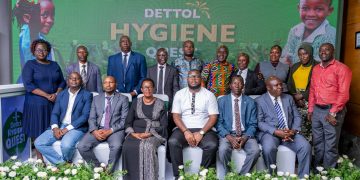



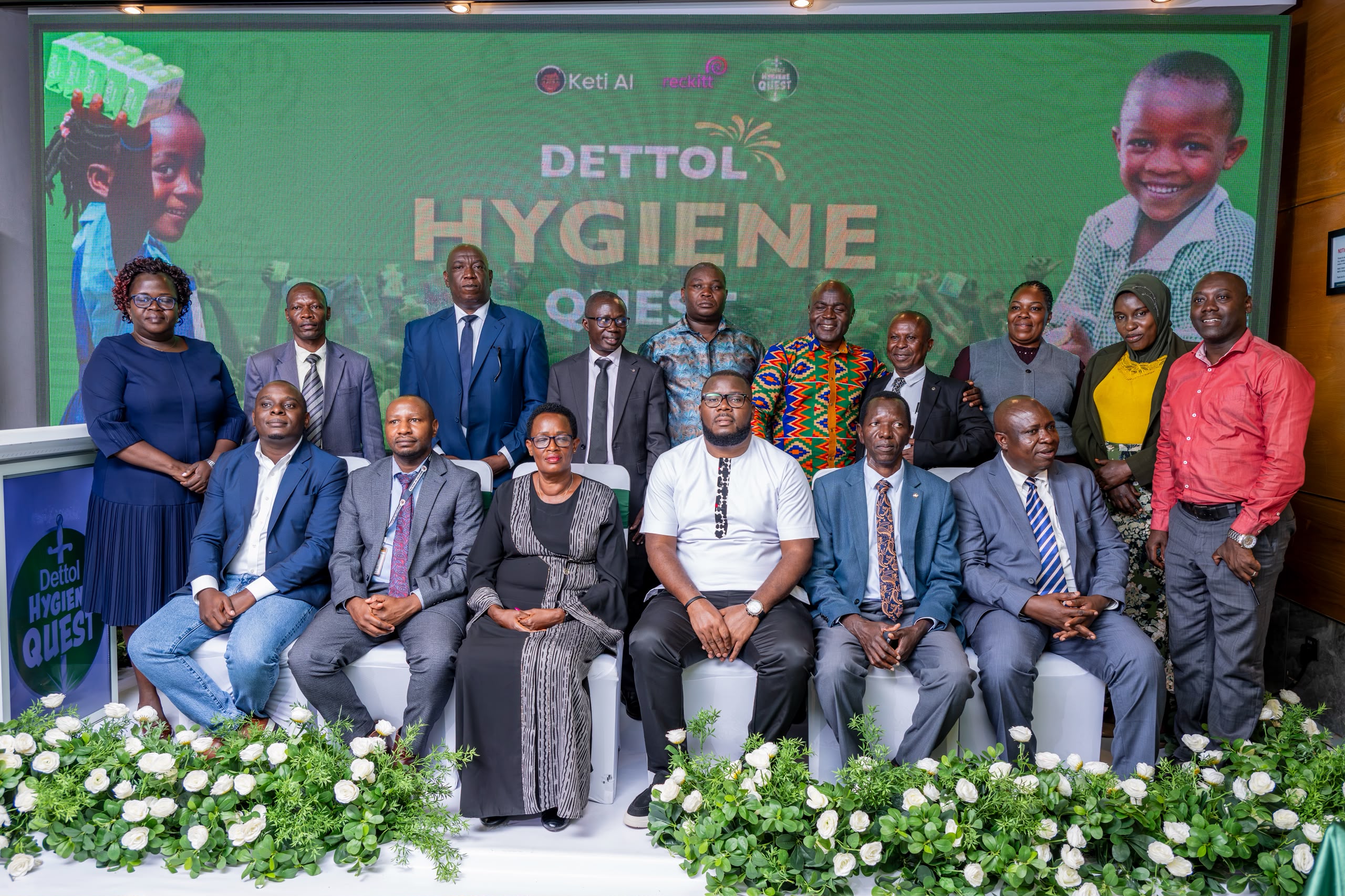
KAMPALA, Uganda (UGNEWSLINE) –Dettol has rolled out the third phase of its Hygiene Quest Initiative, seeking to equip learners in 750 additional Ugandan schools with practical skills to improve personal hygiene and prevent infections.
The initiative, implemented by Reckitt’s Dettol brand in collaboration with the Ministry of Education and Sports and CHIL Hygiene Centre, aims to move beyond hygiene awareness to encourage lasting behavioural change among pupils, teachers and communities.
Since its launch in 2024, the programme has reached more than one million children and worked with 1,500 schools in different parts of the country, including Kampala, Gulu and Isingiro.
The latest phase will focus on reinforcing hygiene lessons, tracking what learners understand and helping schools maintain good practices even after programme activities have ended.
Speaking at the launch, Reckitt Country Manager for Uganda Bornface Shaka Onyari said the expansion was intended to make hygiene practices a lasting part of school life.
Onyari noted that the initiative would continue equipping children with knowledge and practical skills they could apply both at school and at home, while encouraging their families to adopt similar habits.
The programme uses demonstrations, educational resources and teacher training to help learners understand the importance of handwashing and other everyday hygiene measures.
It is also incorporating technology through the Keti AI-powered Dettol Hygiene Quest chatbot, which provides teachers with guidance for delivering hygiene lessons in a more engaging and accessible way.
Another priority under the new phase is encouraging schools to take greater responsibility for maintaining hygiene standards.
According to the programme, some schools that previously participated have begun buying their own hygiene supplies to preserve the improvements achieved through the initiative.
The approach is intended to reduce dependence on external support and enable schools to continue promoting healthy practices over the long term.
The Ministry of Health, the Ministry of Education and Sports, and CHIL Hygiene Centre will continue working with Reckitt to coordinate activities, engage stakeholders and strengthen hygiene education in schools.
Representing the Vice President, State Minister for Water Aisha Sekindi welcomed the initiative, describing hygiene and access to adequate sanitation as important national priorities.
Sekindi cautioned, however, that the programme should be judged by its impact on people’s behaviour and the continued use of sanitation facilities, rather than the number of schools covered alone.
She stressed that reaching more schools would have limited value if learners did not adopt the lessons in their daily routines or if facilities installed through the programme were not properly maintained.
The minister also called on communities to share responsibility for looking after sanitation facilities and ensuring they are used appropriately and consistently.
With Phase III targeting 750 additional schools, the partners hope to build on the programme’s existing reach while strengthening local ownership of hygiene practices.