


KAMPALA, Uganda (UGNEWSLINE) –
Women With Hearing Impairments Risk Losing Babies Due to Communication Barriers
Women with hearing impairments face serious challenges during giving birth because of communication barriers with health workers, raising concerns about the safety of both mothers and their babies.
Nnamiwanda Patricia, a human rights student at Makerere University and an advocate for Together Alive Health Initiative (TAHI), has called on the Ministry of Health to ensure that sign language interpreters are available in Health Centre IVs and other health facilities to help women with hearing impairments access safe maternal healthcare.
Patricia said some women with hearing impairments struggle to understand instructions from midwives during labour, increasing the risk of complications that could lead to the loss of mothers or their babies.
“When it is time to push, midwives may assume that the mother can hear their instructions, yet she cannot. Without effective communication, the lives of both the mother and the baby may be at risk,” Patricia said.
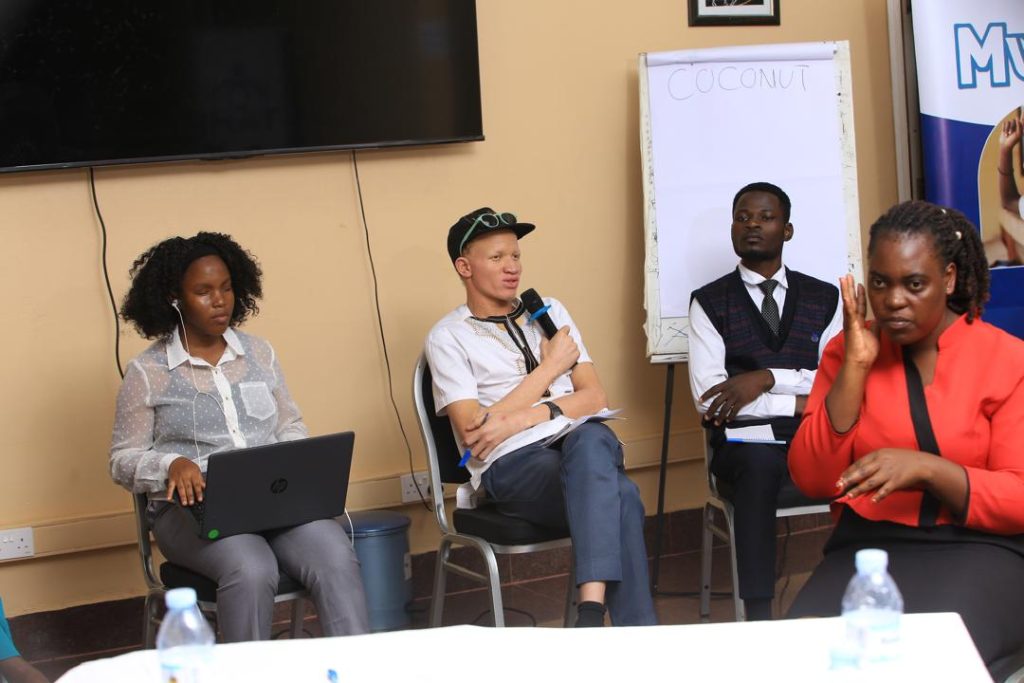
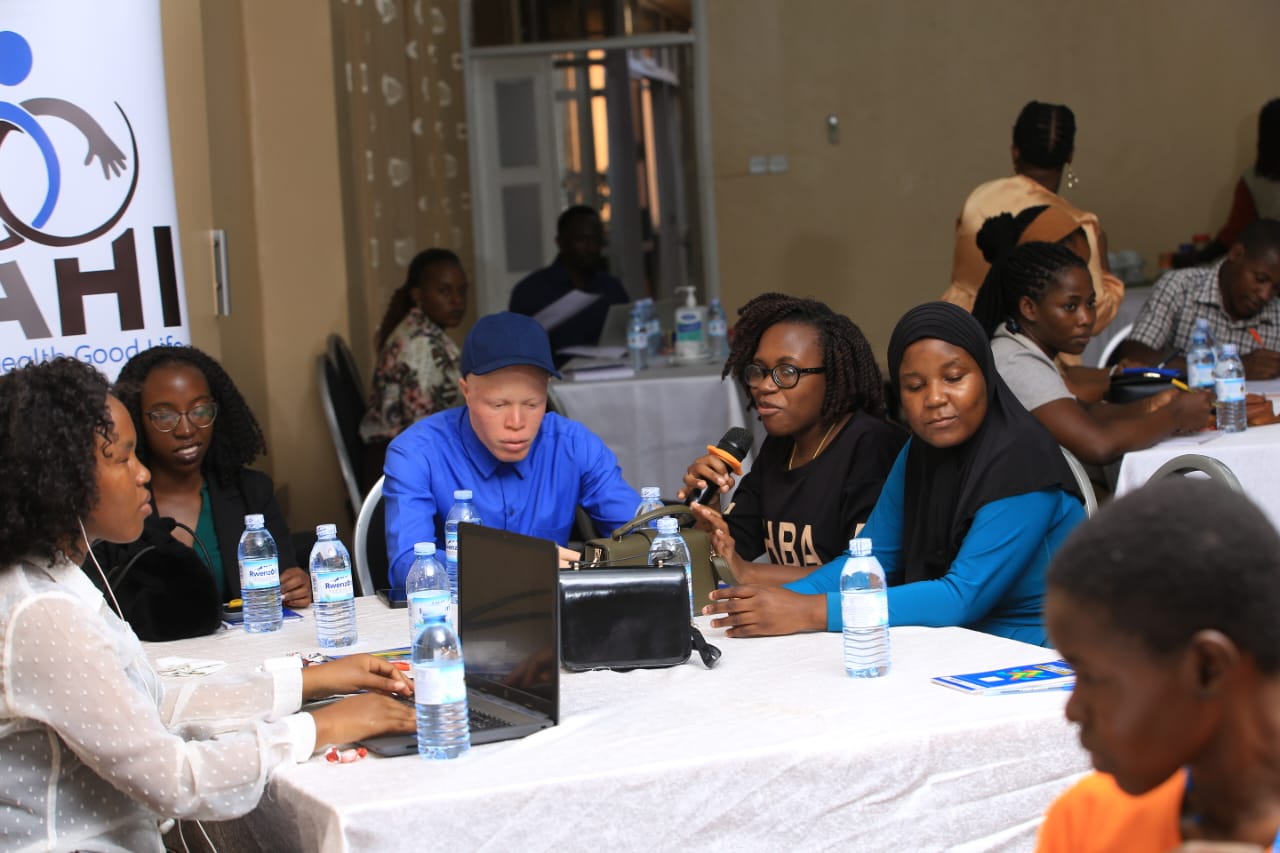
She made the remarks during the M-Voices Summit organised by Together Alive Health Initiative (TAHI) at Eureka Hotel in Ntinda, Kampala, where participants discussed the challenges people with disabilities face in accessing sexual and reproductive health services.
Patricia said she had encountered cases in her community in Masaka where women with hearing impairments had lost their babies or their babies had developed disabilities following difficulties communicating with health workers during childbirth.
She urged the Ministry of Health to implement its plans to include sign language interpreters in health facilities and ensure that the interpreters are trained to support patients with different disabilities.
Patricia added that health workers should also receive basic sign language training so they can communicate with patients with hearing impairments, especially when interpreters are unavailable.
She explained that interpreters should receive additional training in disability-inclusive care to help them support people with other disabilities, including those with visual impairments.
According to Patricia, the government does not necessarily need to recruit a separate support person for every category of disability, but can equip existing personnel with basic skills to help patients with different needs.
Beyond childbirth, Patricia said people with disabilities continue to face barriers in accessing sexual and reproductive health information because many public health messages are not provided in accessible formats.
She said health information distributed through posters, books, journals and other materials often excludes people with visual and hearing impairments.
“When the Ministry of Health produces messages, they should be available in sign language, Braille and other accessible formats so that everyone can receive the information and understand where to get services,” she said.
Patricia also raised concerns about the attitudes of some health workers towards people with disabilities seeking sexual and reproductive health services.
She said some patients are asked intrusive questions about their sexual lives or are made to feel that they should not be sexually active because of their disabilities.
“For example, if I go to a health centre to test for sexually transmitted infections, why should a health worker ask whether I am supposed to be having sex? People with disabilities are also sexually active, just like other people,” she said.
She urged health workers to respect patients, provide the services they request and explain available treatment and prevention options without making them feel ashamed.
Patricia cited an incident involving a woman with a hearing impairment who reportedly went to Mulago Hospital to give birth but was discouraged by a health worker’s remark questioning whether people with disabilities also give birth.
She said the woman left the hospital and had to be brought back, exposing how insensitive comments can discourage people with disabilities from seeking essential healthcare.
Patricia called for regular training and refresher courses for health workers to improve their understanding of disability rights and ensure respectful treatment of patients.
Access remains a major challenge
Lilian Kagaba Kihumuro, the programmes manager at TAHI, said the main challenge is not necessarily the availability of sexual and reproductive health services and commodities, but the difficulties people with disabilities face in accessing them.
She said a person with a speech impairment may reach a health facility but struggle to explain the service they need, while someone with a visual impairment may face difficulties navigating the facility or finding assistance.
Kihumuro added that some people with disabilities experience stigma and discriminatory comments from health workers, discouraging them from seeking services.
“Although the services may be available, they are not always accessible to people with disabilities,” she said.
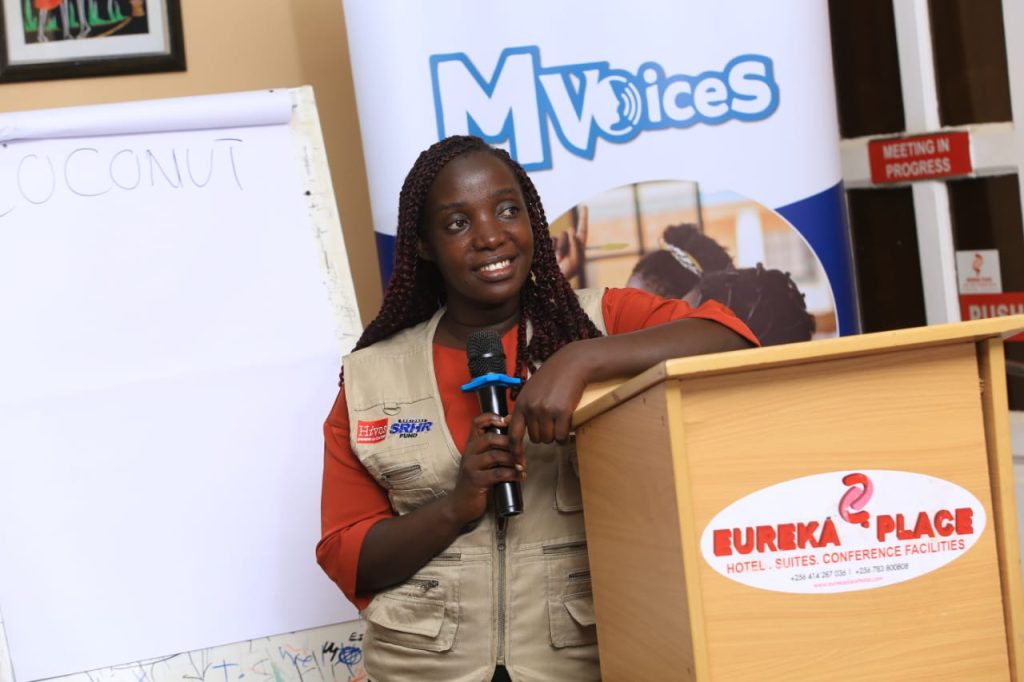
She explained that the M-Voices project, supported by Hivos, focuses on promoting the inclusion of people with disabilities, particularly young people, in sexual and reproductive health programmes and decision-making.
Kihumuro said the summit provided an opportunity for young people with disabilities to identify the challenges affecting them and propose solutions.
She said TAHI intended to compile their concerns into a communiqué to be shared with relevant government ministries and other stakeholders, including the Ministries of Health and Gender, Labour and Social Development.
The communiqué is expected to identify gaps in service delivery and recommend practical measures to improve access to healthcare, assistive devices and other essential services.
Kihumuro said young people with disabilities would also be encouraged to monitor the implementation of recommendations and hold responsible institutions accountable for their commitments.
Calls for better HIV services and disability data
Brian Enyimu, an advocacy associate at the Uganda Network on Law, Ethics and HIV (UGANET), said addressing the challenges requires coordinated action by government institutions, civil society organisations and other stakeholders.
He said barriers to inclusion arise from gaps in policies, their implementation and negative attitudes towards people with disabilities.
Enyimu called for greater involvement of the health, education and justice sectors, among others, in promoting the rights and participation of people with disabilities.
He also raised concerns about the lack of accurate data on people who are both living with HIV and have disabilities, saying this makes it difficult to understand their needs and plan appropriate services.
Enyimu said more work is needed to ensure that people with disabilities are included in HIV programmes and that their needs are considered when health policies and services are developed.
Participants called for practical action to ensure that disability-inclusive policies are implemented and that people with disabilities can access healthcare without discrimination, stigma or communication barriers.