


Uganda has released Shs21.82 trillion for the second quarter of the 2026/27 financial year, prioritising debt obligations, public services and strategic investments as rising fuel prices, a weakening shilling and a widening trade deficit put pressure on the economy.
The release, equivalent to about 26% of the approved annual budget, is intended to sustain economic activity and protect key government programmes while maintaining fiscal discipline, according to the Ministry of Finance, Planning and Economic Development.
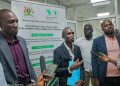
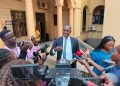
Patrick Ocailap, on behalf of the Permanent Secretary to the Treasury, said the funding had been programmed to support priority sectors, maintain essential services and advance investments expected to generate jobs, boost exports and increase household incomes.
Of the total allocation, Shs10.75 trillion will go towards debt and treasury operations, while Shs2.42 trillion has been set aside for government wages and salaries.
Local governments will receive Shs457.4 billion, including funding for capital development, while the health sector has been allocated Shs416.5 billion for operations, vaccines and ambulances.
The funding comes as Uganda faces growing external economic pressures. Annual headline inflation rose to 4.6% in September from 4% in July, largely driven by higher transport and energy costs.
The shilling has also depreciated by 6% against the US dollar since the beginning of August, amid increased demand for foreign currency and rising global oil prices.
The country’s import bill has meanwhile grown faster than export earnings. Imports reached $3.94 billion in July and August 2026, up 44.8% from the same period a year earlier, widening the merchandise trade deficit to $1.04 billion from $383.07 million.
Despite the challenges, the ministry reported that the economy grew by 6.4% in the 2025/26 financial year and projected growth of 7.6% in the current financial year, supported by investment, export expansion and preparations for commercial oil production.
The second-quarter allocations also include Shs1.48 trillion for transport infrastructure, Shs284.7 billion for the National Medical Stores to procure essential medicines and Shs260.5 billion for the National Council of Sports to accelerate preparations for the 2027 Africa Cup of Nations.
The Treasury has directed accounting officers to keep spending within approved limits, strengthen accountability and avoid accumulating new arrears. It said public funds must translate into timely project delivery, improved services and measurable economic benefits.
The government says the priority remains sustaining growth while managing currency, inflation and external trade risks, with tighter expenditure controls intended to protect fiscal stability.