


FEATURE NEWS ARTICLE (UGNEWSLINE) – For years, families in villages such as Kikuube in western Uganda lived in homes with leaking roofs, ageing structures and limited access to basic amenities. During the rainy season, some households faced the constant worry of damaged homes, while access to clean water and essential services could mean travelling considerable distances.
Today, for families affected by the East African Crude Oil Pipeline (EACOP), that reality is changing.
Across communities along the pipeline route, families who were physically displaced by the project are moving into permanent replacement homes equipped with solar lighting, rainwater harvesting systems and improved sanitation. The transformation is part of EACOP’s Resettlement Action Plan (RAP) and wider social performance programmes, which are designed to restore, and where possible improve, the living standards and livelihoods of Project Affected Persons (PAPs).
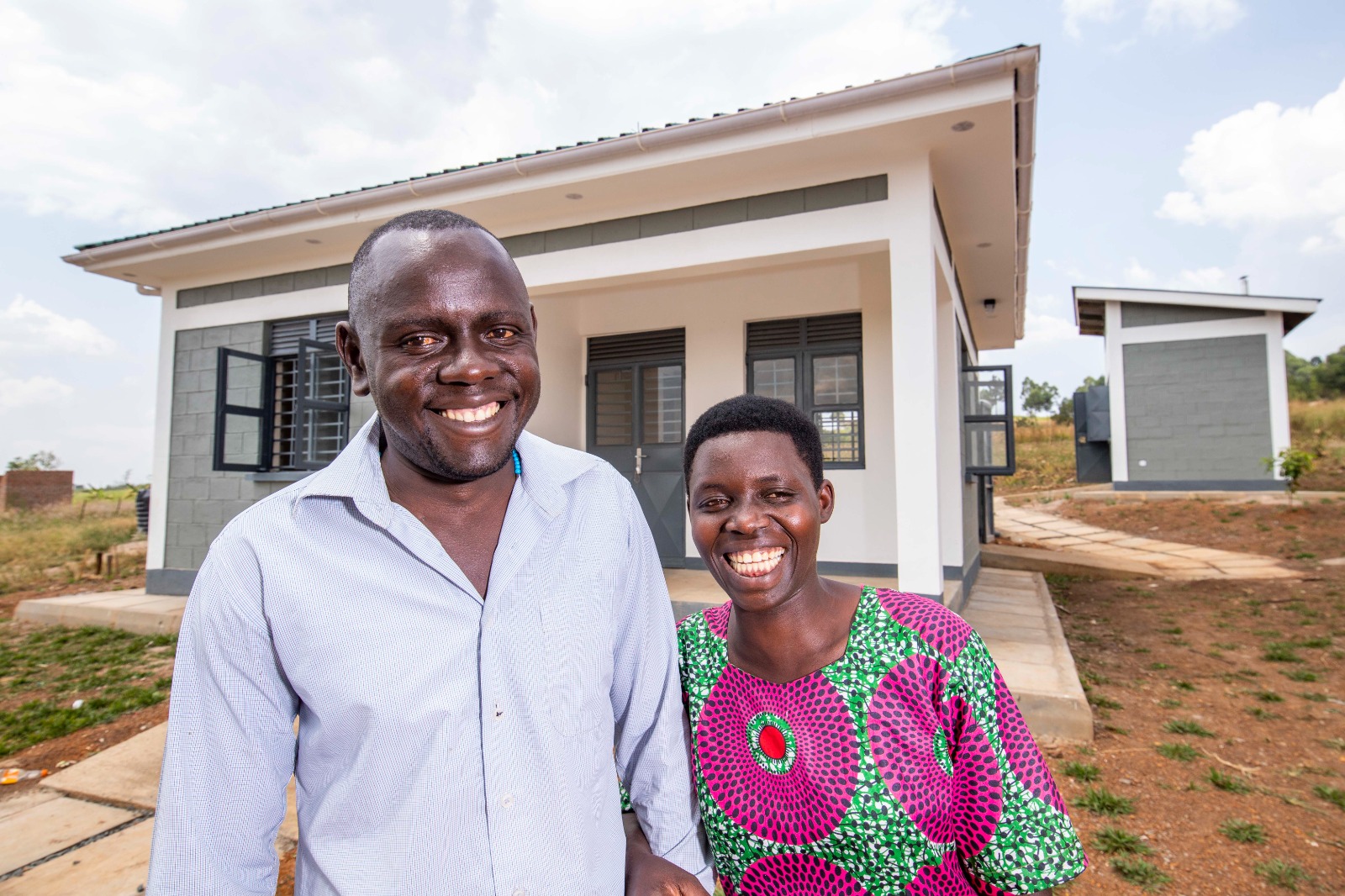
Of the 203 households physically displaced by the project in Uganda, 177 opted for replacement housing rather than monetary compensation. To date, all 177 replacement houses have been completed and handed over to eligible families across the affected districts.
The journey to these homes began well before construction. EACOP engaged affected households through consultations on the resettlement process, including discussions around replacement-house designs and available options. This approach allowed families to participate in decisions concerning their relocation and the homes they would receive.
The completed houses represent a significant improvement in structural quality and household amenities. Constructed using durable materials and permanent roofing, the homes include solar power systems for household lighting, rainwater harvesting facilities and improved sanitation. The houses are also constructed on land with formal ownership documentation, providing families with greater security of tenure.
For families, however, the significance of the programme goes beyond the physical structure.
According to EACOP’s Social Performance Desk, “Restoring a family’s home is about more than bricks and mortar; it is about restoring dignity, safety, and a sense of permanent belonging within the community.”
The housing programme has also created opportunities for Ugandan businesses and workers. Replacement houses were constructed by qualified Ugandan companies, while local firms were engaged in areas including supervision and quality assurance. This has enabled the resettlement programme to contribute not only to improved housing but also to employment, skills development and local economic activity.
But restoring a household after displacement does not end with handing over a house.
EACOP’s Livelihood Restoration Programme supports eligible households to rebuild or improve their economic livelihoods following land acquisition. Depending on household circumstances and eligibility, support includes transitional assistance, agricultural extension services, crop and livestock productivity programmes, vocational training and enterprise development.
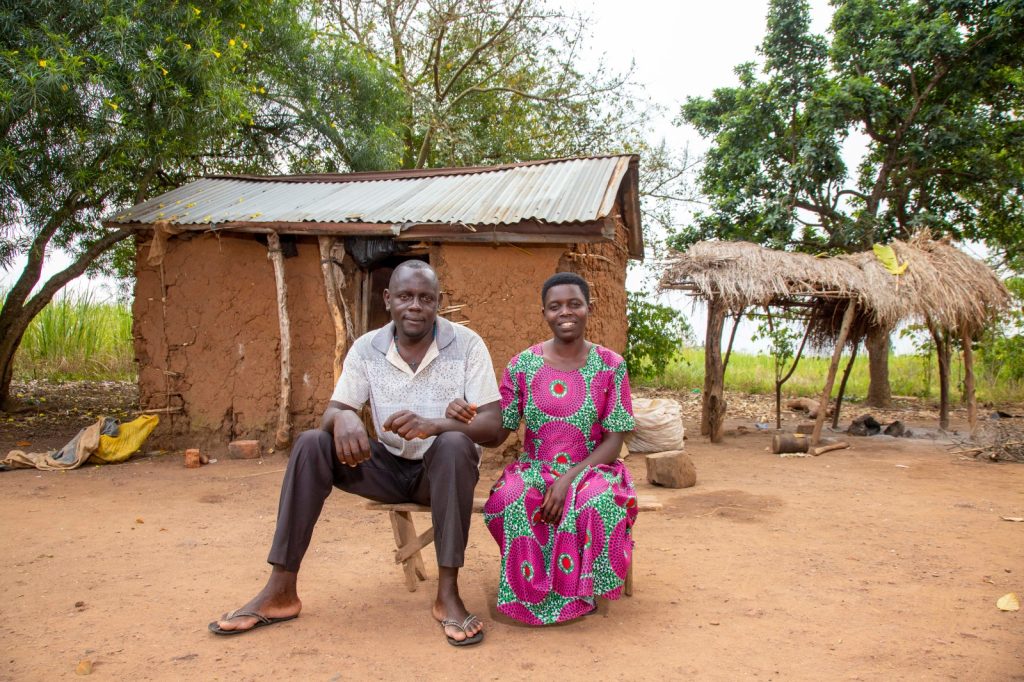
This is particularly important for households whose livelihoods were closely connected to land. A new home can provide security and improved living conditions, but sustainable resettlement also requires families to have the means to produce food, earn income and provide for their households.
The same broader approach is reflected in EACOP’s support for community health infrastructure.
Recognizing the importance of accessible healthcare for communities along the project route, EACOP has worked with district authorities and local communities to support the improvement of health facilities. These interventions have included improvements to maternity and child-health services, consultation spaces, water access and other essential health infrastructure.
For rural communities, improved health facilities can have an impact that extends well beyond the physical infrastructure. Better-equipped facilities can bring essential services closer to families, reducing the burden of travelling long distances for treatment, antenatal care and other basic medical services.
Access to reliable water is another important part of this equation. Solar-powered boreholes supporting community facilities provide a more sustainable source of water while helping health centers and surrounding communities meet their everyday needs.
The interventions form part of a wider social performance approach that places community engagement, resettlement, livelihood restoration and access to essential services alongside the physical construction of the pipeline.
EACOP’s community engagement process has also provided channels through which affected people can raise concerns, seek clarification and submit grievances throughout the project lifecycle. This engagement is intended to ensure that resettlement is not treated simply as a one-time compensation exercise, but as a process that continues as families adjust to their new circumstances.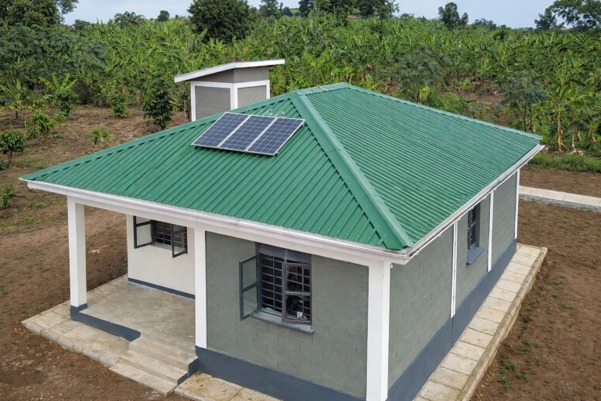
The experience of the 177 households that have received replacement homes illustrates this broader approach. For these families, the most visible outcome may be the new house, a permanent structure with lighting, sanitation and water facilities, but the impact extends to the security of tenure, livelihood support and access to essential community services.
Ultimately, the story of EACOP’s resettlement programme is not only about the construction of houses or the upgrading of facilities. It is about what those investments mean for the people who live in communities along the pipeline route.
For a family moving from a deteriorating structure into a permanent home, the change can mean greater security during the rainy season, safer living conditions and a renewed sense of stability.
And for communities gaining improved health infrastructure, water access and livelihood support, the benefits can continue long after the construction activity itself is complete.
In that sense, the most important measure of infrastructure is not only what is built, but how it changes the lives of the people living alongside it.