


KAMPALA, Uganda (UGNEWSLINE) – Uganda’s political contest over who leads the parliamentary Opposition has moved closer to a legislative showdown, with a proposed law seeking to wrest control of the appointment from the largest opposition party and give all opposition lawmakers a vote.
The Administration of Parliament (Amendment) Bill, 2026, sponsored by ruling National Resistance Movement (NRM) legislator Dennis Namara, was published in the Uganda Gazette on October 23, opening the way for parliamentary consideration of changes that could reshape the country’s opposition leadership.
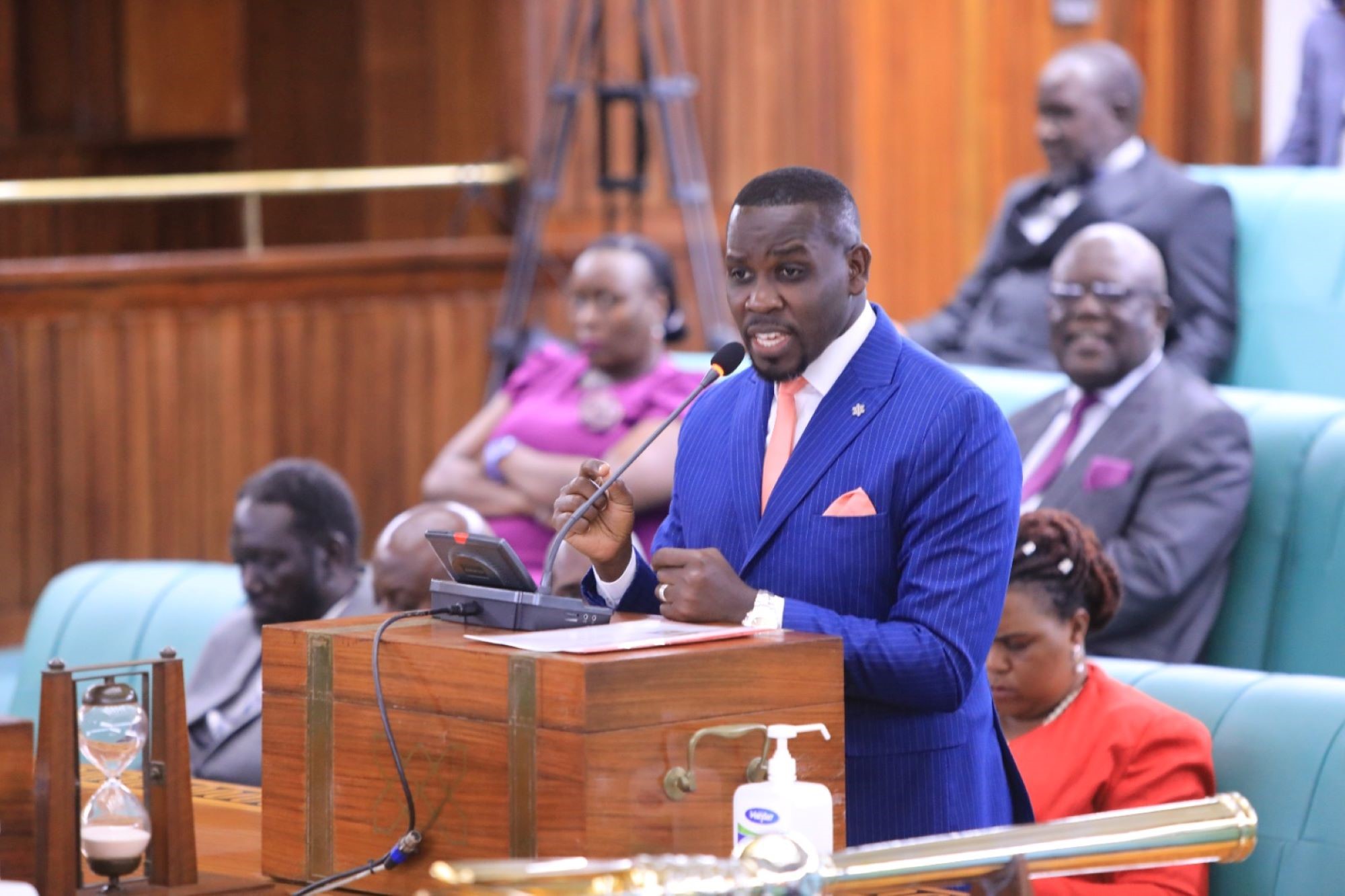
The proposal comes at a politically sensitive moment, with current Leader of the Opposition Joel Ssenyonyi, a senior figure in the National Unity Platform (NUP), facing public pressure for his removal from Gen Muhoozi Kainerugaba, the Chief of Defence Forces and head of the Patriotic League of Uganda (PLU). The development has raised questions about how far Parliament should go in regulating the leadership of parties seeking to hold the government accountable.
Namara argues that the existing system gives one opposition party excessive influence over a position that is expected to represent opposition lawmakers across the political spectrum. Under the current legal framework, the party with the largest number of opposition MPs selects the Leader of the Opposition, who coordinates scrutiny of government policy and presents alternative positions on national issues.
The proposed legislation would replace that arrangement with an election involving all opposition MPs, potentially giving smaller parties and independent lawmakers a greater say in who occupies one of Parliament’s most prominent opposition positions.
When Parliament granted Namara permission to introduce the bill in July, he argued that the existing arrangement restricted participation by lawmakers outside the largest opposition party. He said the proposed reforms were intended to promote accountability and broader representation within the Opposition, mirroring the scrutiny that opposition MPs demand of the government.
But the proposal has exposed a deeper disagreement about the relationship between parliamentary democracy and political party autonomy. Supporters say a collective vote could make the Opposition’s leader more accountable to the wider group of lawmakers, while opponents warn that changing the selection process could weaken the authority of political parties and create opportunities for outside influence.
The controversy is particularly significant because the office is currently held by Ssenyonyi, whose party, NUP, has the largest opposition bloc in Parliament. The position gives its holder a central role in coordinating opposition scrutiny of government ministries, organising alternative policy positions and challenging decisions made by the executive.
The bill goes beyond changing the method of election. It proposes that the Shadow Cabinet, whose members scrutinise individual government ministries, should be approved by opposition MPs through a parliamentary resolution rather than being formed under the existing consultation arrangements.
It would also widen consultations over appointments to opposition leadership positions and introduce additional grounds for removing the Leader of the Opposition, including misconduct, incompetence and an inability to perform official duties because of physical or mental infirmity.
Under the proposed transitional arrangements, the incumbent would be required to leave office three months after the law takes effect, followed by a fresh election under the new framework. That provision places the future of the office at the centre of the debate, although the bill has not yet become law.