


KAMPALA, Uganda (UGNEWSLINE) — For 21 days, dozens of people in Uganda lived under the shadow of a disease that can turn a routine journey into a public health emergency.
Their movements were traced, their health monitored and their exposure assessed as authorities raced to establish whether Ebola had crossed another border.
On Sunday, Uganda announced that all 60 people identified as contacts of a Kenyan traveller who tested positive for Ebola had completed monitoring without developing symptoms.
The announcement offered welcome relief to a country that had only recently declared its latest outbreak over, but it came as fresh infections in neighbouring Kenya and distant Nigeria intensified concerns about the virus’s expanding reach.
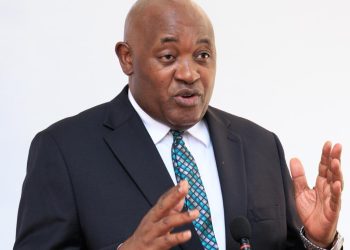
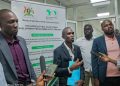
While addressing journalist at the Uganda Media Centre, Health Minister Dr Chris Baryomunsi said the contacts had completed the mandatory 21-day follow-up period without testing positive for the disease, allowing them to be discharged.
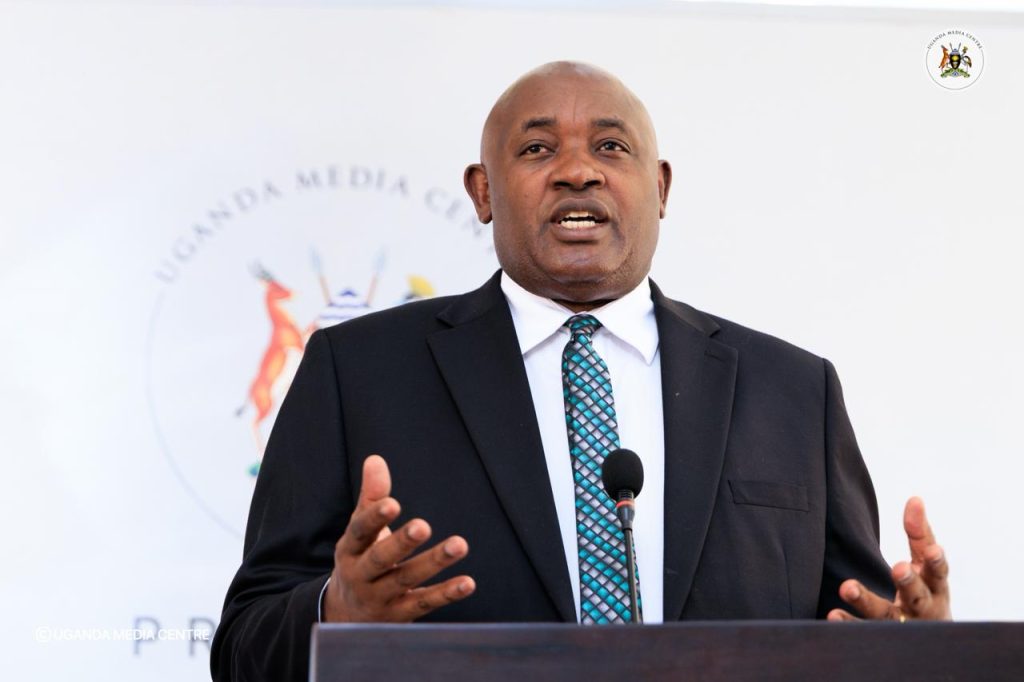 “The Ministry of Health wishes to announce that all the 60 contacts which we listed, identified and monitored in Uganda in connection with the recent Kenyan traveller’s Ebola virus disease case have completed their 21-day follow-up period and have been discharged,” he said.
The group included personnel working at points of entry and exit, hotel employees and transport operators whose movements intersected with those of the Kenyan traveller.
Baryomunsi said health teams reconstructed the traveller’s movements after receiving information about the confirmed infection, identifying people who might have been exposed and placing them under observation.
“Once we had that information, we reconstructed the travel history of that Kenyan and were able to identify all the contacts, up to sixty of them, and they have been under isolation,” he said.
The minister added: “They have completed the mandatory 21 days of follow-up. None of them developed symptoms or tested positive for Ebola.”
The development is significant for Uganda, which reported an outbreak of Bundibugyo virus disease in May 2026 after infections were linked to people arriving from the Democratic Republic of Congo (DRC).
The government declared the outbreak over on July 28, following containment measures and the completion of the required monitoring period.
But the end of an outbreak does not eliminate the risk of the virus returning, particularly in a region where national borders are crossed daily by traders, families, workers and travellers.
Uganda’s concern has grown as Kenya has reported nine confirmed cases, including one death, linked to an imported infection, while Nigeria confirmed an imported case in Abuja on October 20.
The Nigerian patient had travelled from Uganda, prompting investigations into her movements and possible exposure before leaving the country.
Baryomunsi has maintained that travel through Uganda does not, by itself, establish where the Nigerian patient contracted the virus.
Investigators are examining travel records, contacts and genomic sequencing results in cooperation with Nigerian authorities and international health partners.
The genetic relationship between viruses can help scientists determine whether infections may be connected, but investigators must combine laboratory findings with epidemiological evidence before drawing conclusions about how transmission occurred.
Ugandan officials have also said the Kenyan and Nigerian patients passed through Entebbe International Airport on the same day.
Surveillance footage reviewed by investigators reportedly showed no direct interaction between them, leaving the circumstances surrounding the Nigerian infection unresolved.
Against this backdrop, the Ministry of Health has strengthened screening at Entebbe International Airport and land border crossings, reinstated passenger locator forms and introduced a 21-day quarantine requirement for Ugandan citizens returning from the DRC with a history of travel there.
“The ministry has intensified traveller screening at Entebbe International Airport and all land border crossings. All travellers intending to enter Uganda by air, land or water must complete the passenger locator form,” Baryomunsi said.
The measures are intended to help health authorities identify potential exposures quickly, trace contacts and reduce the possibility of an infected person moving through communities undetected.
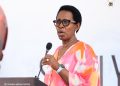
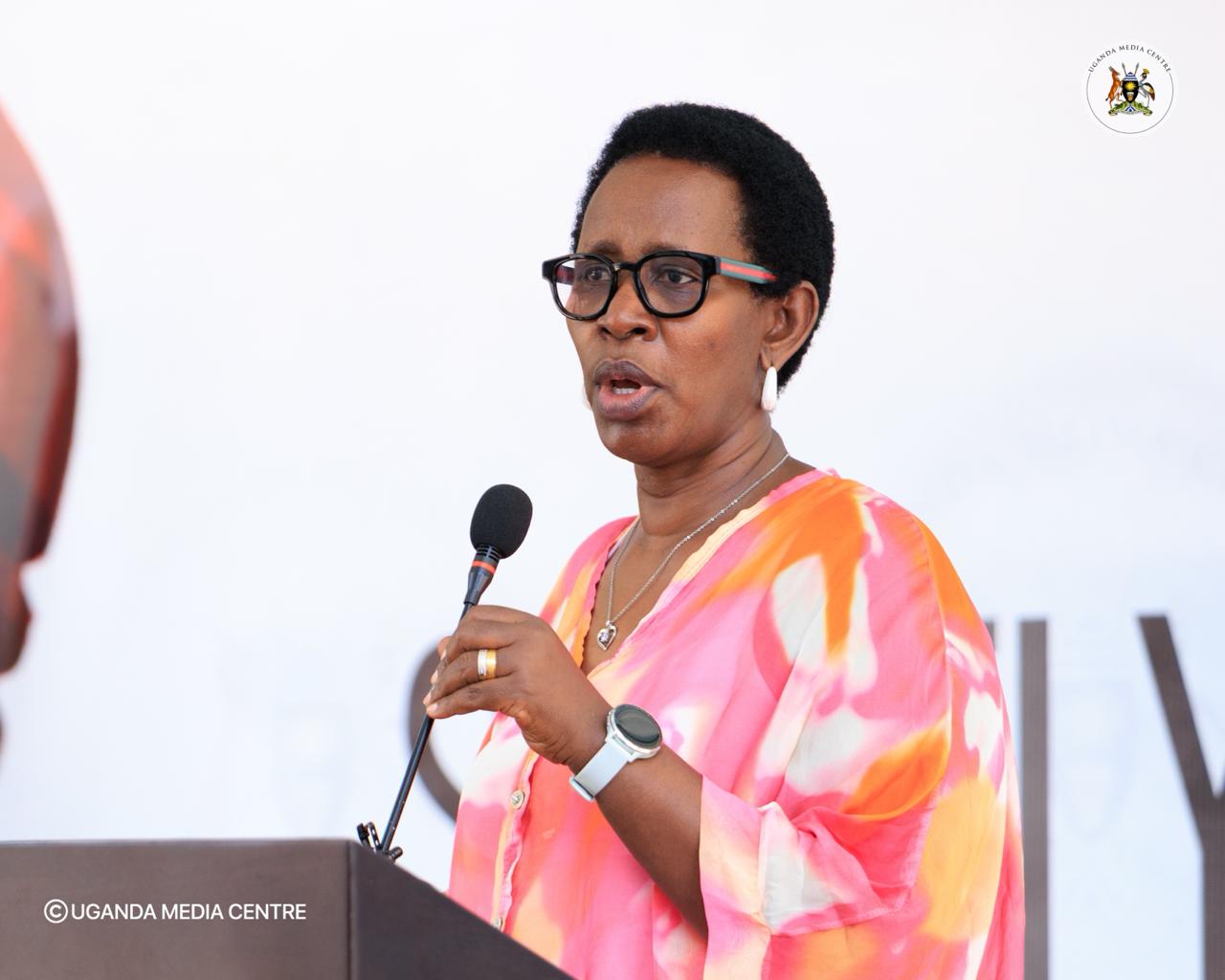
Minister of Health Permanent Secretary Dr. Diana Atwine has taken a similarly firm position on enforcing public health requirements, particularly along Uganda’s border with the DRC, where the ongoing outbreak and frequent cross-border movement present a continuing challenge.
During a visit to the Mpondwe border area in Kasese District, Atwine raised concerns about immigration officials allegedly allowing people to enter Uganda without adequate checks. She called for stricter enforcement of screening procedures and warned that officials who facilitate unauthorised crossings could face arrest and dismissal.
“We are going to invoke the Public Health Act,” Atwine said in remarks reported earlier this week, warning that travellers who knowingly concealed symptoms and exposed others to infection could face legal consequences.
Her warning reflects a broader concern among health authorities that preparedness depends not only on medical facilities and laboratory testing, but also on compliance by travellers, border officials and communities.
The challenge is particularly acute along the Uganda-DRC frontier, where economic activity and family ties sustain frequent movement between the two countries.
Screening every traveller and identifying those who may have been exposed requires coordination between immigration officials, health workers, security agencies and local leaders.
Atwine has urged communities to remain vigilant and authorities to ensure that established procedures are followed.
The government has also stepped up infection prevention measures and surveillance as it works with regional and international partners to understand the latest cases.
The World Health Organization has warned that the Bundibugyo virus outbreak remains serious, with sustained transmission in the DRC and imported cases reported in Kenya and Nigeria.
By October 20, the DRC had recorded 9,704 confirmed cases and 4,687 deaths, according to the WHO’s latest situation report.
The scale of the outbreak underscores the importance of early detection and cross-border cooperation. It also presents a scientific challenge because Bundibugyo virus is a distinct Ebola species for which there is no standard approved vaccine or specific treatment.
Health workers therefore rely heavily on early diagnosis, supportive medical care, infection prevention, contact tracing and the isolation of suspected cases to limit transmission.
Uganda has experience in managing Ebola outbreaks and has developed surveillance systems, trained response teams and laboratory capacity to support rapid investigations.
The successful completion of monitoring for the 60 contacts offers evidence that tracing and follow-up can help authorities manage potential exposure without allowing fear to overwhelm the public.
Baryomunsi has urged the public to remain calm while reporting suspected symptoms and following health guidance.
He has also dismissed reports of confirmed Ebola cases and deaths in Kasese, saying no such cases had been confirmed by the ministry.
For Atwine, the immediate priority is to ensure that screening rules are observed, suspected exposures are investigated and public health information reaches communities before rumours take hold.
The release of the 60 contacts marks an important milestone, but it does not end Uganda’s work.
As the virus continues to spread across parts of Africa, the country faces a familiar test: keeping its borders open to legitimate movement while maintaining the vigilance needed to prevent a public health emergency.