


KAMPALA, Uganda (UGNEWSLINE) — Uganda says it remains free of Ebola following the end of its latest outbreak, but the government has warned that continued transmission in neighbouring Democratic Republic of Congo (DRC) poses a persistent threat to public health and regional security.
The government’s latest assessment comes as authorities tighten screening at airports and land borders, strengthen disease surveillance and support treatment efforts across the border, underscoring the challenge of containing infectious diseases in a region where trade, travel and family connections make cross-border movement difficult to control.
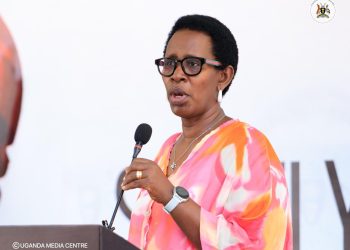
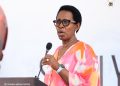
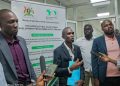
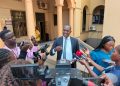
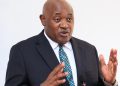
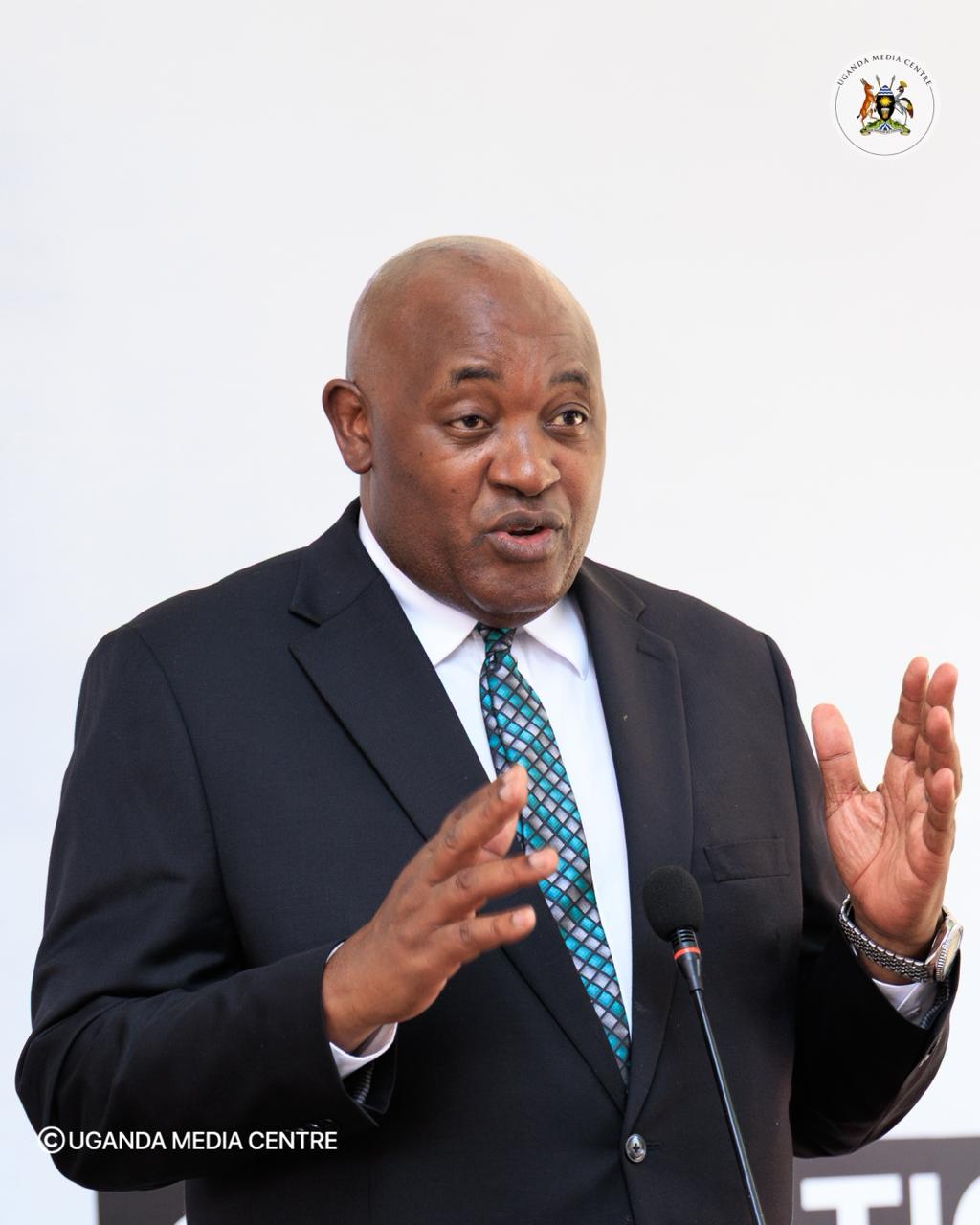
Health Minister Dr Chris Baryomunsi told journalists at the Uganda Media Centre that Uganda had recorded no new confirmed cases since declaring its Bundibugyo virus disease outbreak over on July 28, following an outbreak confirmed on May 15, 2026.
“The end of local transmission does not mean the risk has ended,” Baryomunsi said, pointing to continued transmission in the DRC and the close links between communities on both sides of the border.
“The recent cases involving travellers from the region further underscore the need to remain vigilant,” he added.
The minister said Uganda’s response was focused on maintaining strong preparedness at home while helping Congolese authorities suppress transmission in affected communities. The strategy reflects concerns that outbreaks can cross borders even after local transmission has been interrupted.
Baryomunsi said all 60 people identified as contacts of a Kenyan traveller linked to an Ebola case had completed the mandatory 21-day monitoring period in Uganda without developing symptoms and had been discharged from follow-up.
The contacts included personnel at border entry and exit points, hotel staff and transport operators who had been traced during investigations into the traveller’s movements.
“This is a significant milestone in Uganda’s precautionary public health response,” the minister said, crediting health workers with identifying contacts, conducting daily monitoring and supporting people under follow-up.
Investigations into an Ebola case involving a Nigerian traveller were still under way, he said, with Ugandan authorities working alongside Nigerian health officials and international partners to examine genomic sequencing findings, travel records and the individual’s movements in Uganda and en route to Abuja.
Baryomunsi also sought to address concerns about the situation in western Uganda, saying Kasese District had no confirmed Ebola cases and had recorded no deaths from the disease.
Authorities have intensified screening at Entebbe International Airport and land border crossings, with additional checks at designated road checkpoints.
Travellers entering Uganda by air, land or water are required to undergo screening by port health officials, while passenger locator forms are being used to facilitate follow-up where necessary.
“All travellers entering Uganda must undergo screening by Port Health services,” Baryomunsi said, adding that there were no exemptions, including for diplomats and United Nations personnel.
The government has also maintained restrictions on movement across the Uganda-DRC border, allowing essential travel, including for humanitarian workers and truck drivers, subject to screening and other public health requirements.
Under the measures, non-essential travellers who are Congolese nationals entering Uganda are to be returned through the nearest point of entry at their own cost. Ugandans returning from the DRC are subject to 21 days of quarantine at their own expense, according to the statement.
Baryomunsi warned that people who evade screening, conceal information relevant to public health investigations or breach lawful quarantine and isolation requirements could face enforcement action, including prosecution where offences are established.
The government is also strengthening laboratory testing, referral systems, designated holding and isolation facilities, and infection prevention measures in health facilities.
But Uganda’s response extends beyond its borders. The health ministry says its teams are working in Aru, Kasenyi and Butembo in the DRC, supporting local authorities with treatment, testing and patient care in communities affected by the outbreak.
Three treatment units supported by Ugandan teams have a combined capacity of 240 beds, while a fourth facility at Bulongo was expected to become operational by Wednesday, October 28, according to the minister’s statement.
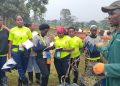
More than 120 personnel, including clinicians, laboratory specialists and infection prevention teams, have been deployed to support the response.
The facilities are intended to bring care closer to affected communities and reduce the need for patients to cross into Uganda in search of treatment.
Baryomunsi said the intervention had also improved diagnostic capacity, with mobile laboratories reducing the time taken to return test results from four or five days to approximately four to six hours.
The three sites have the capacity to conduct up to 2,200 tests daily, the statement said.
The ministry reported that the supported facilities had extended care to confirmed patients in Aru, Kasenyi and Butembo, with reported case fatality proportions of 17.7%, 15% and 15.9%, respectively, compared with a reported national figure of 48.2% in the DRC.
The figures, presented by the ministry, highlight the importance of access to timely diagnosis and treatment, although the statement did not provide further details on the periods covered by the comparisons.
Uganda is also seeking to strengthen preparedness elsewhere in the region. Baryomunsi said the country had signed a memorandum of understanding with South Sudan, deployed technical teams to the Central African Republic and was working with Rwanda to reinforce preparedness efforts.
He urged governments and international partners to sustain support for the Congolese response, while ensuring that other essential health services, including routine immunisation and maternal care, continue during the outbreak.
“Ebola is a major global health challenge that requires a shared responsibility,” Baryomunsi said, warning that no country could consider itself beyond risk while transmission continued elsewhere.
He called for stronger information-sharing, coordinated surveillance and sustained practical support for affected communities, arguing that containing the outbreak at its source was critical to protecting neighbouring countries.
The minister also praised Ugandan health workers and partners operating in challenging conditions, urging the public to maintain hand hygiene and cooperate with screening and other preventive measures.
“As of today, 25th October, 2026, Uganda remains Ebola-free,” Baryomunsi said, while emphasising that the country’s safety depended in part on stopping transmission across its borders.