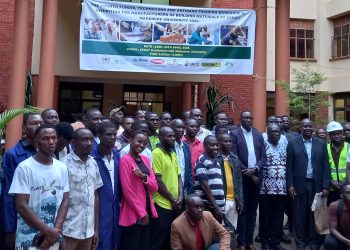



KAMPALA, Uganda — The Africa Centre for Energy and Mineral Policy (ACEMP), in partnership with ENABEL, the Uganda Association of Artisanal and Small-scale Miners (UGAASM), and the United Nations Development Programme (UNDP), has launched the 6th Great Lakes Mining and Energy Transition Mkutano in Kampala, with stakeholders calling for stronger business and human rights practices to ensure mining communities benefit more from the sector.
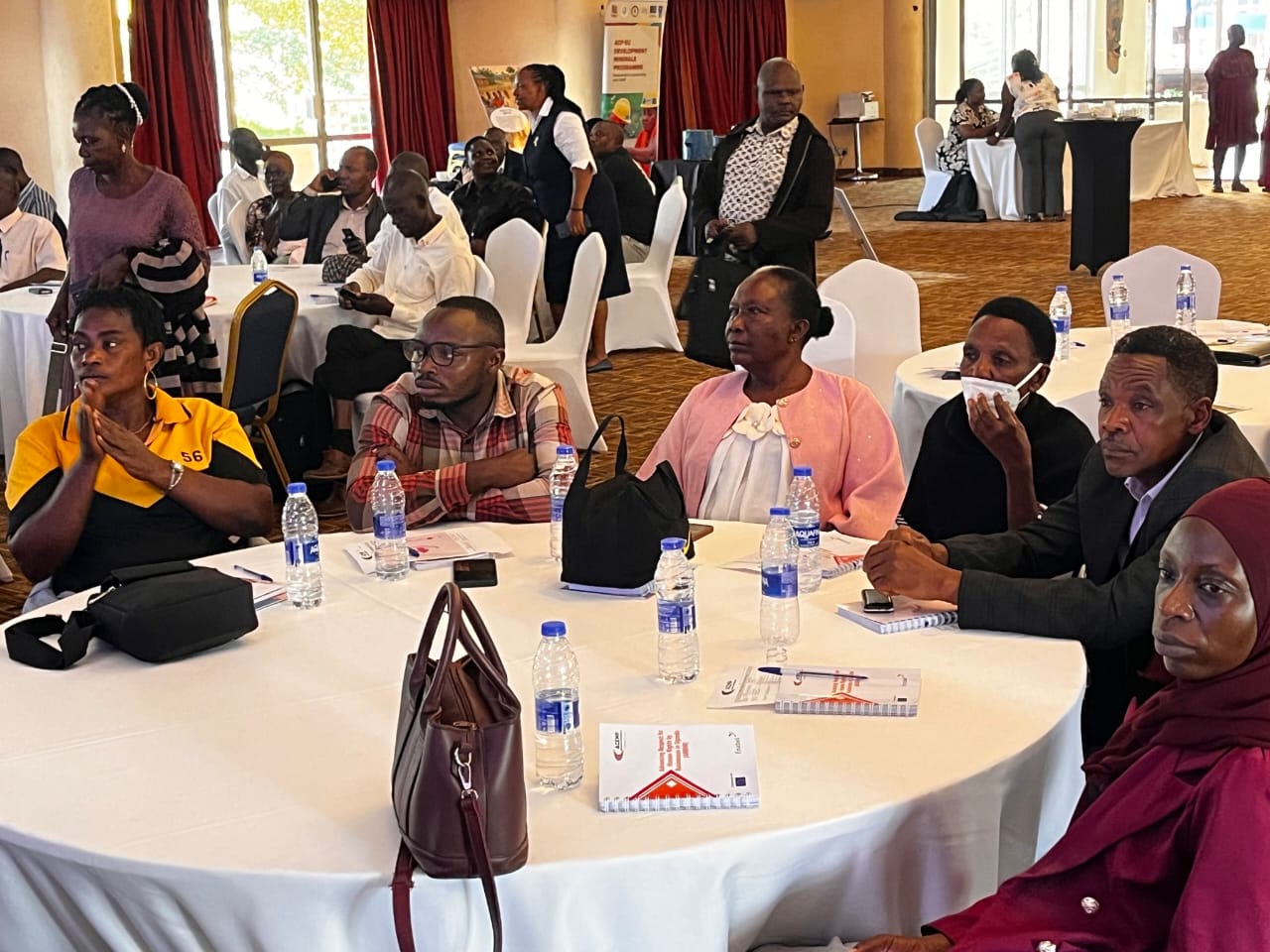
The two-day conference, being held at the Golf Course Hotel under the theme, “Applying Business and Human Rights Practices to Improve Community Benefits from Mining Projects,” has brought together about 120 participants, including artisanal miners, community leaders, government officials, development partners, civil society organisations, and private sector players from across the Great Lakes region.
Responsible Mining in the Energy Transition
The forum comes at a time when global demand for critical minerals needed for the energy transition continues to rise. The Great Lakes region is home to vast deposits of copper, cobalt, tin, tungsten, tantalum, gold, rare earth elements, nickel, and graphite, positioning it as a key supplier of minerals for clean energy technologies.
Uganda is also emerging as an important player, with an estimated 350 million tonnes of rare earth elements and a world-class graphite deposit in Kitgum District.
Opening the conference, ACEMP Executive Director Don Bwesigye Biyina said the Mkutano provides an important platform for governments, investors, researchers, and communities to discuss how mining can generate sustainable benefits for local populations.
“The Mkutano brings together key players in the mining and energy sectors to strengthen collaboration with communities. It also provides an opportunity to share market developments, research findings and progress made across the sector,” Biyina said.
He commended the government for strengthening the legal framework governing the mining sector through the Mining Act, Cap. 159, and for promoting responsible and traceable mining. He also cited ongoing geoscience exploration in Karamoja as a significant milestone, while noting that disease outbreaks and global geopolitical tensions continue to affect the sector.
“Some of the challenges affecting the mining sector include disease outbreaks such as Ebola and global instability, which continue to impact investment and operations,” he said, while appealing for increased support from development partners.
Empowering Mining Communities
Lucy Peace Nantume, a Business and Human Rights Expert at ENABEL, said the organisation is working with ACEMP to equip communities in Busoga, the Albertine region and Kampala with knowledge on land rights, negotiations and business and human rights principles.
“We are empowering communities with knowledge on land rights, agreements and negotiation skills so they can participate meaningfully in mining projects and safeguard their interests,” she said.
Uganda Association of Artisanal and Small-scale Miners President Bukya John Bosco said the recognition of artisanal miners under Uganda’s Minerals Policy and Mining and Minerals Act has improved the sector, noting that the association now supplies gold directly to the Bank of Uganda.
However, he said challenges remain, including lengthy licensing procedures, limited access to financing and bureaucratic bottlenecks.
“We still face lengthy licensing procedures, lack of funding and bureaucratic challenges. We also hope to expand our membership across the Great Lakes region,” Bosco said.
Kitgum Resident District Commissioner Ssegawa Jimmy Ebil said the government considers mining a strategic sector in achieving Uganda’s ambition of growing the economy to US$500 billion.
“Government has prioritised the minerals sector as a key contributor to Uganda’s economic transformation. We have strengthened licensing and security to ensure the sector benefits the public. Kitgum is also home to significant graphite deposits,” he said.
Conference Agenda
The first day of the conference focused on successful community engagement strategies, featuring updates on the Orom Graphite Project by Blencowe Resources and the Makuutu Rare Earths Project by Rwenzori Rare Metals. Discussions also explored community development agreements, inclusivity and public participation in mining projects.
The second day will focus on repositioning artisanal and small-scale mining through cooperatives, addressing emerging legal issues and recognising outstanding artisanal mining cooperatives.
Now in its sixth edition, the Great Lakes Mining and Energy Transition Mkutano has evolved from the Annual Artisanal and Small-scale Mining Conference launched in 2019. The forum aims to promote environmental, social and governance (ESG) standards, strengthen transparency in the mining sector and amplify the voices of artisanal miners, particularly women.
Organisers say the conference is expected to generate practical recommendations that will improve mining governance, reduce social and environmental risks, and ensure communities living in mineral-rich areas receive a greater share of the benefits from the region’s mineral wealth.