

A surge in illicit alcohol enforcement across East Africa is putting pressure on informal supply networks after Uganda seized nearly 18,000 litres of illegal alcohol and Kenya reported three deaths linked to suspected toxic brews.
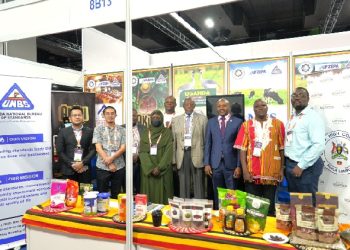
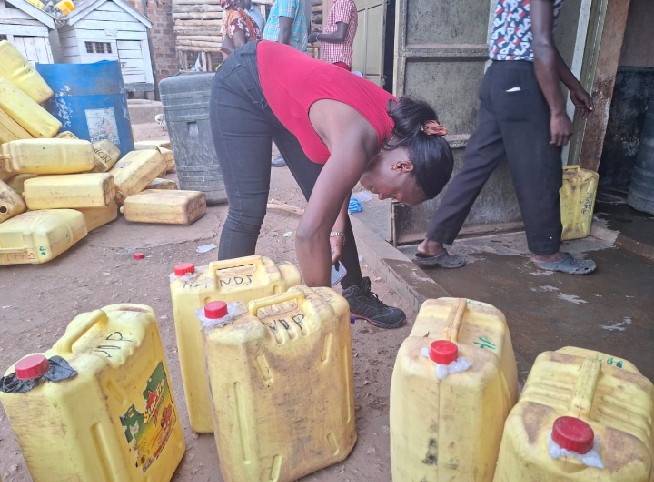
Uganda’s standards regulator, the Uganda National Bureau of Standards (UNBS), said on Monday it had seized 17,770 litres of illicit alcohol during an operation in Kampala following complaints about substandard products.
The haul included about 8,500 litres of unlabelled neutral spirit and 600 bottles of uncertified gin.
The operation comes days after three people died and two others were hospitalised in Kitengela, in Kenya’s Kajiado County, after allegedly consuming illicit alcohol, according to Kenyan media reports.
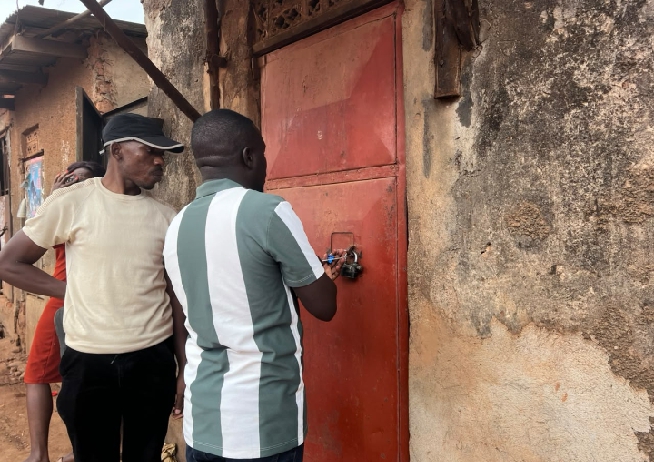
The incidents have highlighted the difficulty facing regulators as unlicensed alcohol moves through informal markets and, in some cases, across national borders.
UNBS said its Kampala operation targeted outlets in Nakulabye and Kiwunya and uncovered uncertified gin sold under brands including Timing, Soccer/Socar, Kyakabi, Revo and Cheza.
The largest seizure was at Happy Emmanuels Stores, where inspectors found 9,120 litres of illicit alcohol and 4,500 litres of unlabelled neutral spirit in 18 drums.
A further 2,320 litres of illicit alcohol and about 4,000 litres of unlabelled neutral spirit were seized from Fred Asiimwe’s Store.
Other outlets yielded smaller quantities, including 3,500 litres at Harriets Shop, 1,570 litres at Lillies Quality Suppliers and 1,060 litres at Musoke Adolf Shop.
UNBS said the enforcement operation was conducted under Uganda’s standards laws and regulations governing potable spirits and the labelling of pre-packaged products.
It urged consumers to check that alcoholic products are properly labelled and certified and to report suspected non-compliant products.
Cross-border challenge
The seizures in Uganda and deaths in Kenya come as Rwanda conducts a wider crackdown on illicit and substandard alcoholic products.
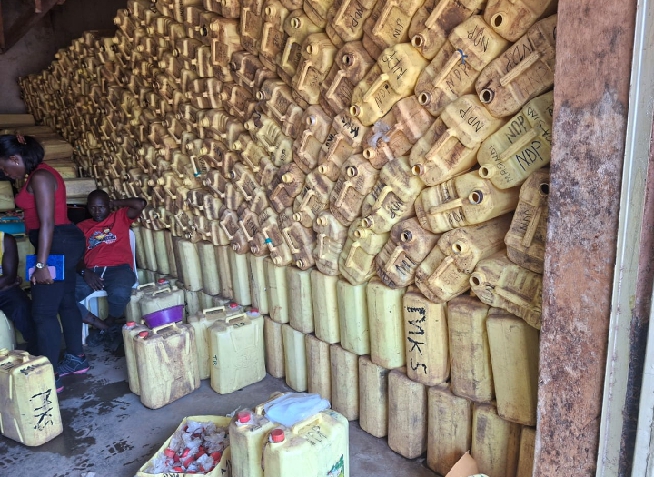
Rwanda National Police said that by Aug. 11 authorities had seized 653,626 litres of ethanol and methanol, destroying 553,920 litres. They also reported seizing 15,348 litres of traditional illicit brews, alongside more than 164,000 cartons and 146,000 bottles of illicit or substandard alcohol awaiting destruction.
The campaign has extended to suspected facilitators of the trade.
Rwandan authorities said in August they had arrested 104 people and presented 17 public officials suspected of involvement in the production or distribution of substandard alcoholic beverages. Case files for 97 suspects had been submitted for prosecution, police said.
Rwanda National Police said 44 people had died between January and June after consuming drinks adulterated with toxic substances, with cases of blindness and organ damage also reported.
The cross-border nature of the trade has complicated enforcement.
In Rwanda’s Eastern Province, police said in September they seized more than 6,000 bottles of Zebra Gin and other banned drinks and arrested 21 people. Much of the alcohol had been smuggled from Uganda, according to reports.
For regulators, the movement of alcohol between neighbouring countries creates additional challenges in tracing products, enforcing standards and disrupting distribution networks.
For formal producers and distributors, illicit products can also create an uneven trading environment by operating outside regulatory and compliance requirements.
The latest seizures underscore the scale of the challenge. But the regional pattern also points to the limits of enforcement confined to individual national markets, with illicit alcohol able to move through informal networks once it crosses borders.
East African regulators are therefore facing a challenge that extends beyond product standards and consumer protection: controlling a cross-border supply chain that links producers, traders and consumers across several markets.