


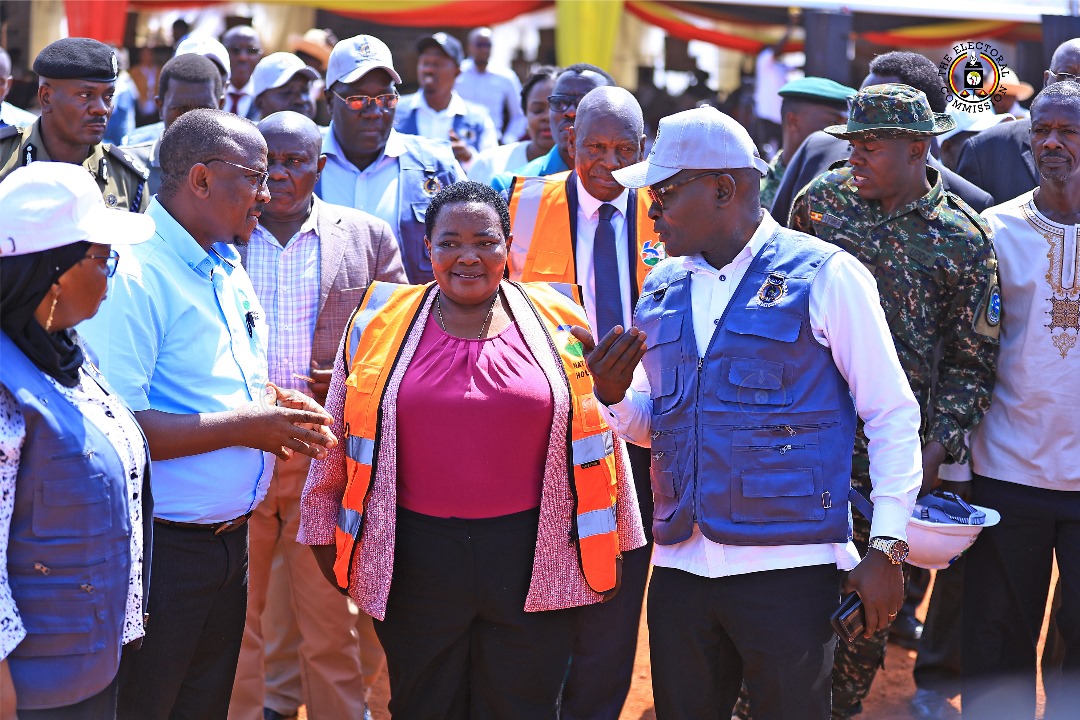
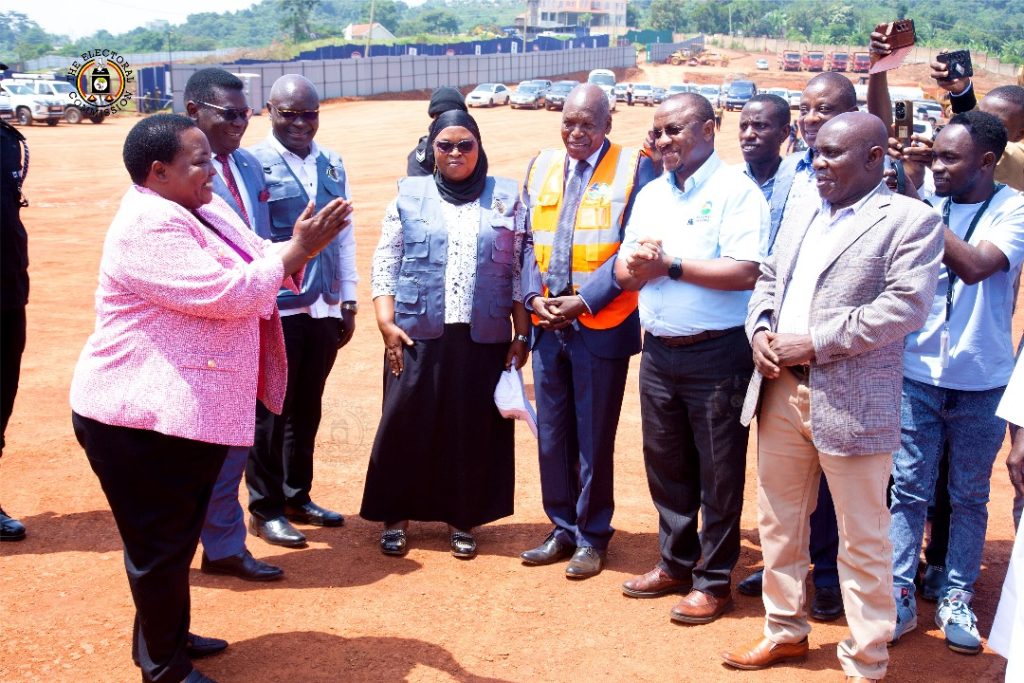
The Electoral Commission (EC) is set to get a permanent home, with construction underway for a state-of-the-art headquarters complex worth Shs400 billion in Lweza, along Entebbe Road.
The Prime Minister, Rt. Hon. Robinah Nabbanja, officially commissioned the project and reaffirmed government’s commitment to its timely completion within 24 months.
The complex will sit on a 10-acre parcel of land provided by the National Housing and Construction Company (NHCC).
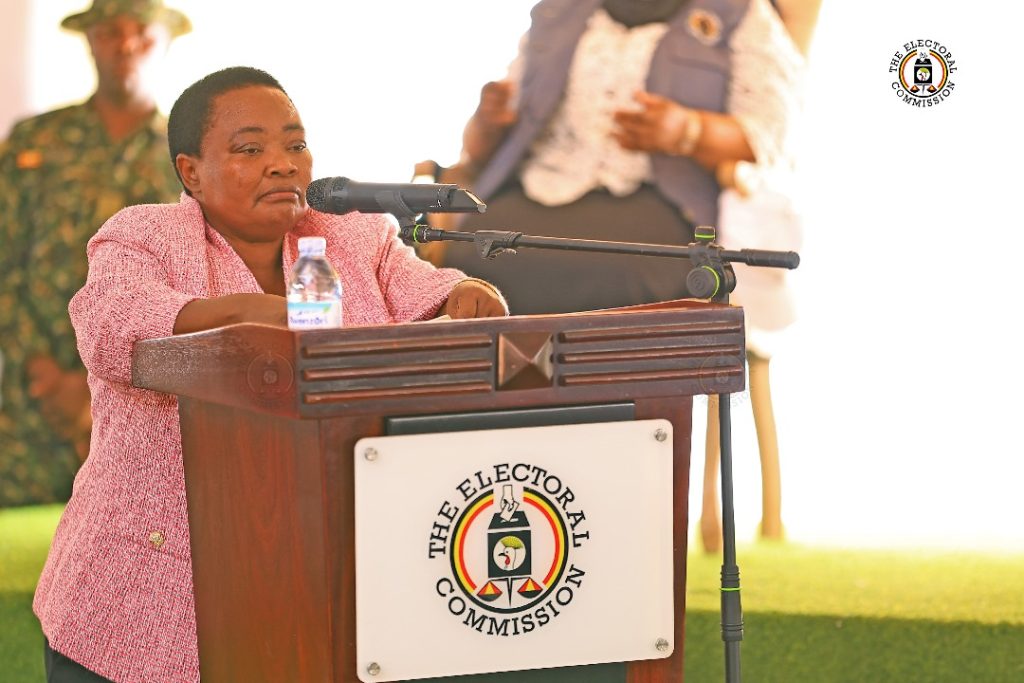
“This is a historic milestone in strengthening our electoral democracy,” Nabbanja said during the ceremony. “By establishing a permanent home for the Electoral Commission, we are reinforcing its independence and operational efficiency.”
She noted that the project is particularly significant as Uganda prepares to mark 30 years since the promulgation of the 1995 Constitution.
Article 60 of the Constitution mandates the EC to organize, conduct, and supervise regular elections and referenda.
The new complex will include modern facilities such as conference halls, nomination centers, multipurpose printing and storage areas, secure warehouses, and a hotel facility to support electoral operations.
The project is being implemented by the China Civil Engineering Construction Corporation (CCECC) and is fully funded by the Government of Uganda. The Ministry of Finance will provide the bulk of the financing in the 2025/2026 financial year.
Already, Shs26 billion has been allocated in the current 2024/2025 budget to kickstart preliminary works, including land acquisition, architectural design, documentation, supervision, and construction mobilization.
NHCC Managing Director confirmed the project’s budget covers all phases from planning to final construction, promising close coordination with stakeholders to ensure timely delivery.
Once completed, the complex will mark a significant institutional upgrade for the EC, which has long operated without a permanent headquarters.
The Justice and Constitutional Affairs Minister, Chairman Norbert Mao said: “The Commission is leading by example, investing in permanent infrastructure to improve electoral services and reduce the cost of rent. This project will raise the EC’s visibility and inspire other institutions to follow suit. “