


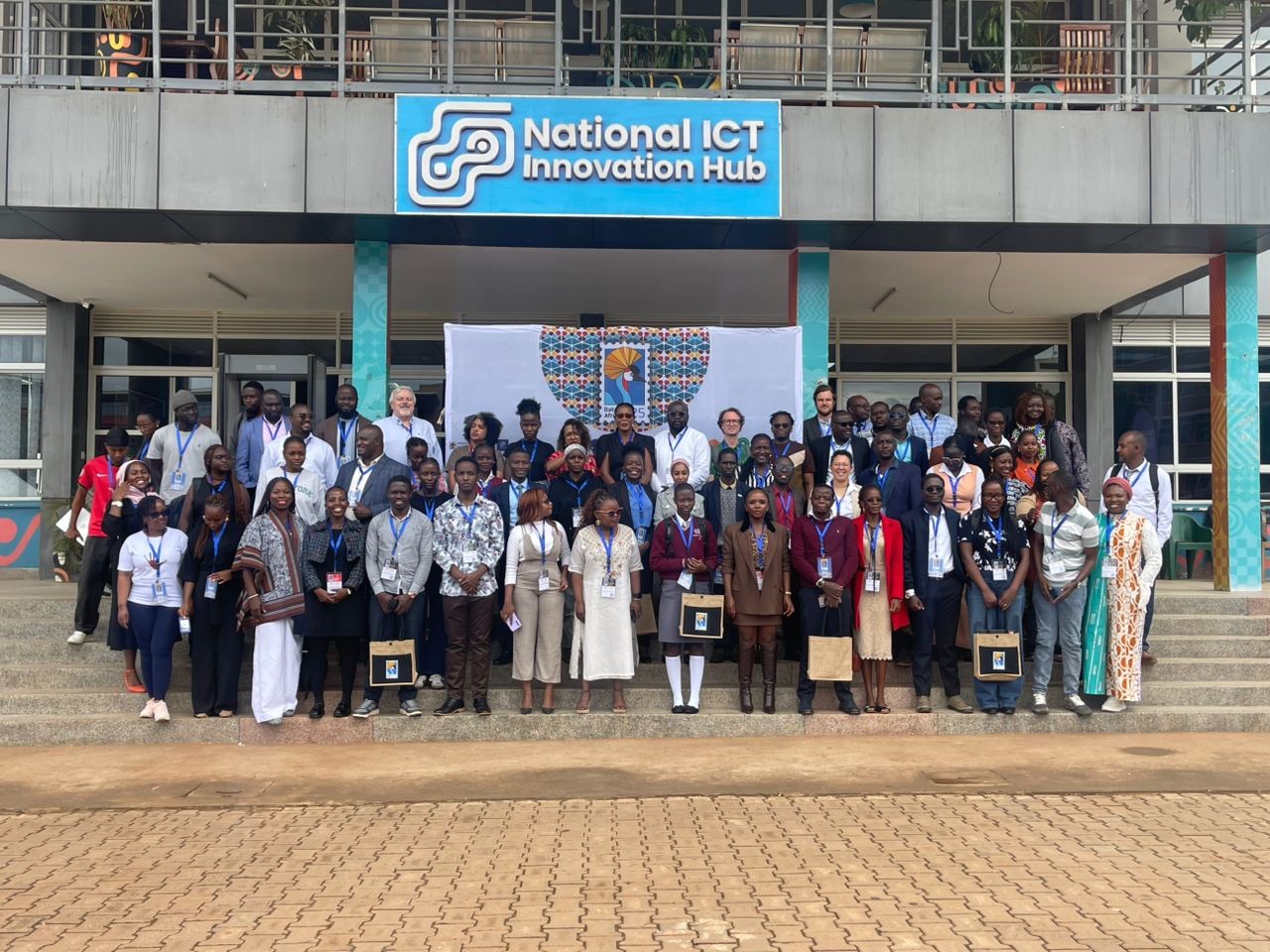
Technologists and data experts have voiced growing concerns over the misuse of Artificial Intelligence (AI) and the careless sharing of personal data, warning that such practices could expose individuals to exploitation by unscrupulous actors.
The concerns were raised during the ongoing 6th edition of DataFest Africa, a major continental conference bringing together data experts from across Africa to discuss how the continent can reclaim control over its data future.
The 2025 edition, is organized by the Pollicy Data Institute under the theme “Reclaiming Our Data Futures”, reflecting Africa’s growing commitment to data sovereignty, responsible AI use, and digital innovation.
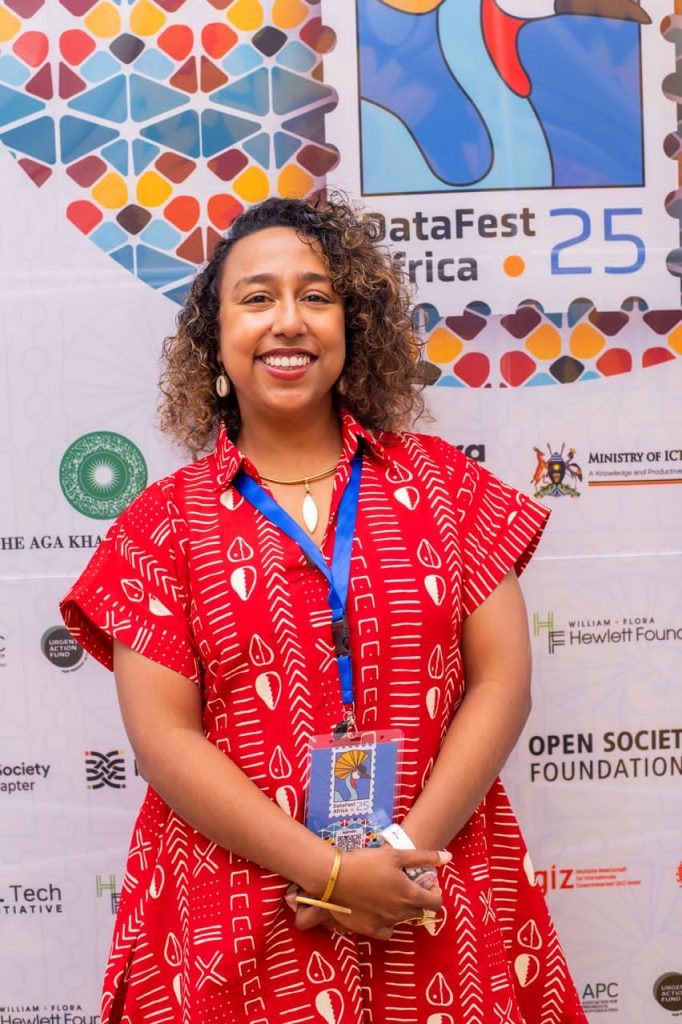
Neema Iyer, Executive Director at Pollicy Data Institute, emphasized that the potential misuse of AI innovations should concern everyone.
“Artificial Intelligence can be used for good, it can translate languages, fix grammar, and open new opportunities. However, we must also recognize its darker side. For example, someone could manipulate your photo to falsely claim you were involved in something you weren’t. This is a serious issue that Africa must address, perhaps through regulation and punishment for offenders. AI is powerful, but we must remain aware of its dangers while maximizing its benefits,” said Iyer.
During the conference, Uganda’s Personal Data Protection Office warned the public against carelessly sharing personal information, cautioning that cybercriminals may exploit it for malicious purposes.
Baker Birikujja, Director of the Personal Data Protection Office who delivered a keynote address, urged individuals to always question how their data will be used before sharing it.
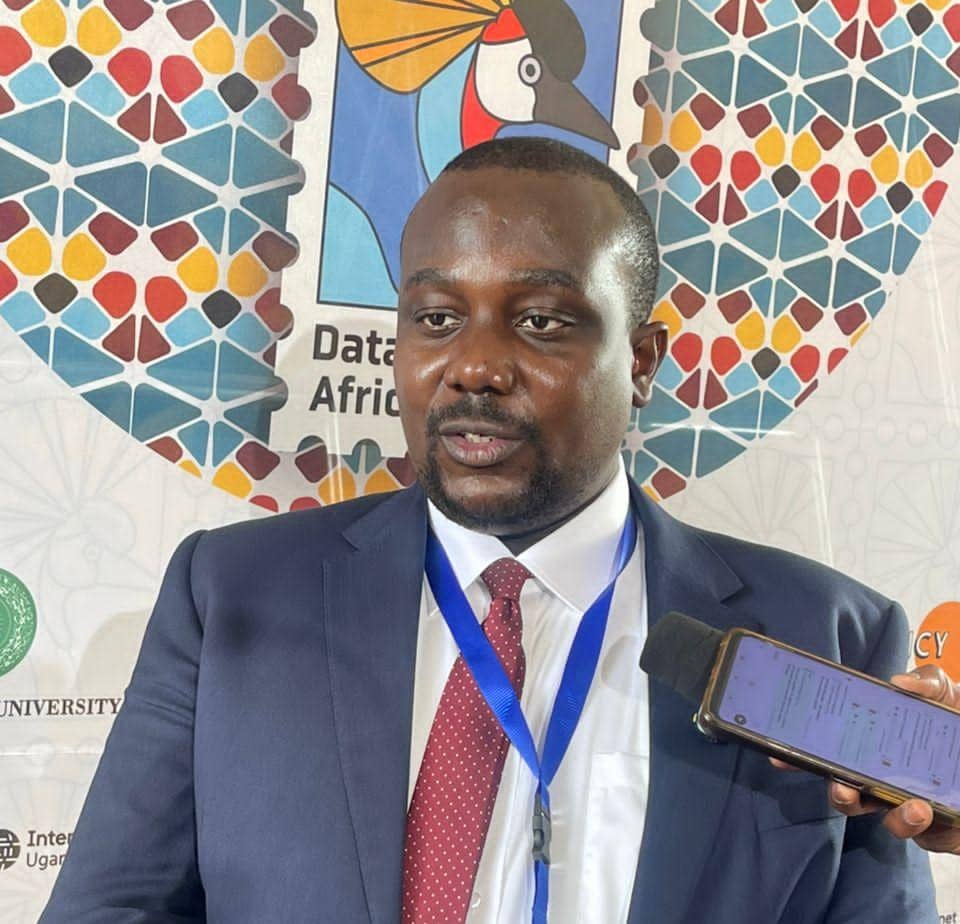
“We have launched a campaign called Beera Ku Guard, urging the public not to share their personal data carelessly. Before you hand over information like your National ID, phone number, or bank details, first find out why it’s needed and what risks are involved. Those collecting data are legally required to protect it from misuse,” Birikujja explained.
He further warned that those found guilty of misusing personal data or AI technologies will face the full force of the law.
“Anyone who manipulates or alters personal data, including through deepfakes, faces legal consequences. Creating false digital content using someone’s image or data is a punishable offense under the Data Protection and Privacy Act,” he added.
On the innovation front, developers at the conference expressed frustration over the limited government support for startups. Shane Ssenyonga, Founder and CEO of School Pal, an education software company, noted that high taxes and the lack of local innovation hubs and data centers continue to stifle growth.
“Uganda needs more data centers and reliable hosting infrastructure. Currently, most data is stored abroad, which raises data sovereignty concerns. We also need tax incentives to help startups survive high costs drain capital before businesses even make profits,” said Ssenyonga.
Another key issue discussed at DataFest Africa was the lack of accessible data for tax collection.
Gilbert Sendugwa, Executive Director of the Africa Freedom of Information Centre, highlighted that limited data access hinders revenue collection despite the booming digital economy.
“Tax authorities need independent access to accurate data, but currently, they rely on information provided by businesses, which often underreport their earnings. In regions like Europe and the U.S., laws allow governments to access such data directly, ensuring fair taxation. Africa must adopt similar frameworks to improve revenue collection,” Sendugwa noted.
About DataFest Africa
DataFest Africa is an annual celebration of data use across the African continent, bringing together stakeholders from government, civil society, academia, donor agencies, and the private sector. Over the years, it has explored themes such as the role of data in decision-making, gender equality in data, and the intersection of art, culture, and data conversations.