


KAMPALA, Uganda (UGNEWSLINE) – Forum for Women in Democracy (FOWODE) has opposed the government’s renewed proposal to grant the Uganda Revenue Authority (URA) and other state agencies access to individual and business bank accounts, warning that the move could threaten financial privacy, undermine businesses and weaken women’s economic empowerment.
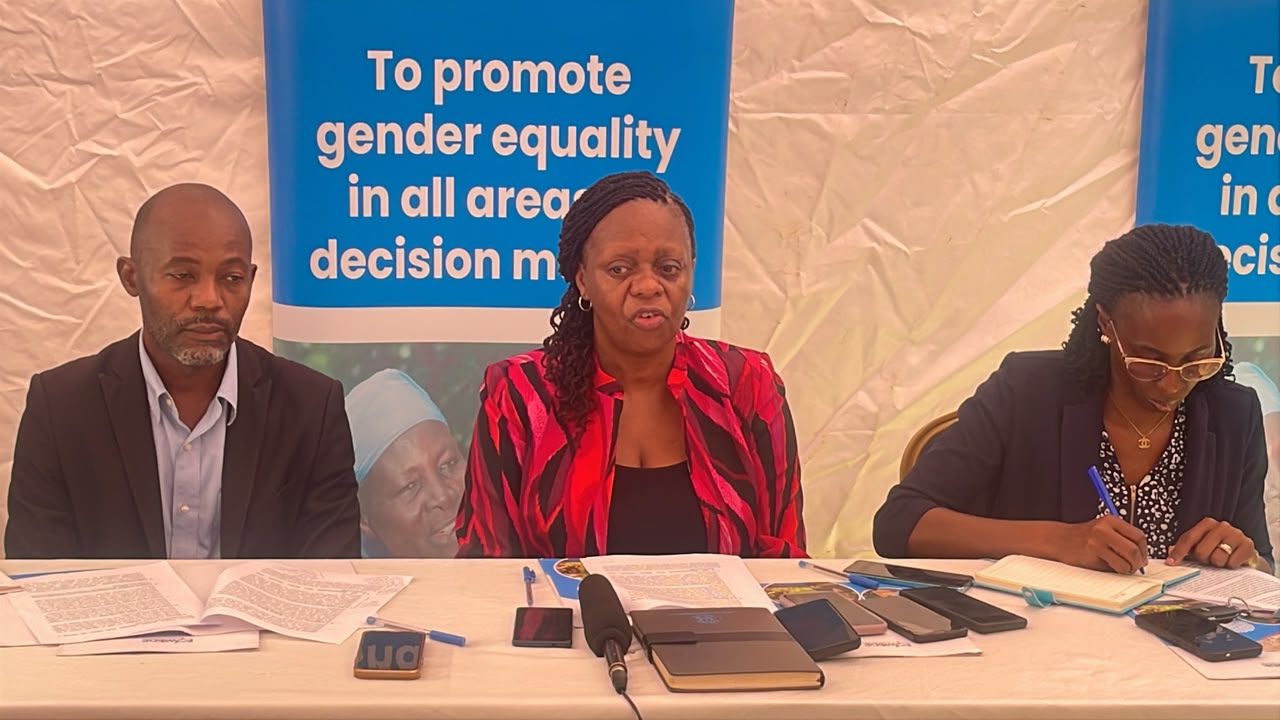
In a press statement issued on Wednesday, October 28, 2026, in Kampala, FOWODE and other concerned civil society organisations, business representatives and stakeholders said the proposal raises serious concerns about constitutional rights, banking confidentiality and the country’s investment climate.
The groups were responding to remarks made by State Minister for Finance, Planning and Economic Development Amos Lugoloobi in Parliament on October 15, 2026, regarding the government’s renewed push to access bank account information for tax administration.
Patricia Munabi Babiha, the Executive Director of FOWODE, said the proposal could undermine the economic progress made by women, particularly those running small businesses and operating in the informal sector.
“You cannot empower women with one hand and undermine their financial privacy and autonomy with the other,” Munabi Babiha said.
She warned that unrestricted access to bank accounts could expose women entrepreneurs to financial insecurity, intimidation and difficulties in running their businesses.
According to FOWODE, many women depend on small enterprises such as food vending, tailoring, produce trading and salons to support their families. Their businesses often operate on narrow profit margins, with household and business finances closely linked.
The organisation cautioned that freezing or restricting an account over a disputed tax assessment, even one involving Shs300,000, could disrupt business operations and leave families struggling to meet basic needs, including food and school fees.
FOWODE also warned that women with limited financial resources and access to legal services could find it difficult to challenge disputed tax assessments, increasing their vulnerability to administrative abuse, intimidation and bribery.
The organisation argued that although tax collection is a legitimate government responsibility, it should be pursued within the law and with clear safeguards to protect citizens’ rights.
It cited Article 27 of the 1995 Constitution, which guarantees the right to privacy, and the Financial Institutions Act, 2004, which provides a framework for protecting the confidentiality of customers’ financial information, subject to applicable legal exceptions.
The organization said that any access to private banking records should be guided by clear legal authority, necessity, proportionality, due process and effective oversight to prevent abuse.
The organisation further warned that allowing broad access to financial information without adequate safeguards could weaken public confidence in the banking system, discourage people from using formal financial services and expose businesses to risks involving commercially sensitive information.
It said small and medium-sized enterprises could be particularly affected, potentially discouraging investment and slowing private-sector growth.
FOWODE also expressed concern that the proposal could reverse progress in women’s financial inclusion by discouraging women from keeping their savings in formal banking institutions.
According to the organisation, private bank accounts enable women to save for school fees, protect business capital and maintain a degree of financial independence, including in situations involving economic control or domestic violence.
The organisation called on the Ministry of Finance to withdraw the proposal in its current form and urged Parliament, particularly the Committee on Finance and the Uganda Women Parliamentary Association, to reject any arrangement that permits broad access to private bank accounts without adequate legal safeguards.
It also called for a comprehensive gender and equity impact assessment of any proposed tax reforms that could disproportionately affect women-owned businesses, informal traders and economically marginalised groups.
FOWODE urged the Bank of Uganda, Uganda Bankers Association and Uganda Law Society to defend the principle of bank confidentiality and advocate for clear, enforceable safeguards governing lawful access to customers’ financial information.
The organisation said the government should ensure that its tax policies align with its broader development commitments, including the Fourth National Development Plan, the Parish Development Model and the Generating Growth Opportunities and Productivity for Women Enterprises (GROW) Project.
It argued that these programmes seek to promote inclusive development and women’s economic empowerment, objectives that could be undermined by policies that threaten women’s ability to save, invest and manage their businesses.
“Effective tax administration is essential to financing public services and national development,” FOWODE said, adding that tax compliance should be pursued through lawful, transparent and proportionate measures that protect citizens’ rights.
The government’s renewed proposal follows an earlier attempt to obtain Parliament’s approval for access to individual bank account information, which FOWODE said was rejected amid concerns about privacy and the potential for abuse.