


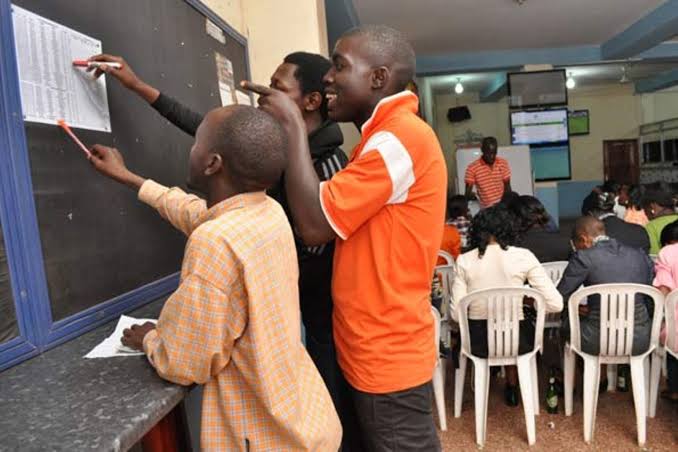
KAMPALA, Uganda — Uganda has joined other African countries in the inaugural Africa Safer Gambling Week, a continental initiative aimed at promoting responsible gaming and strengthening player protection across the continent.
The campaign, running from September 7–11, 2026, brings together gaming regulators, industry associations, operators, safer gambling organisations and other stakeholders to raise awareness about responsible gambling, encourage informed decision-making and improve access to support services.
The initiative is convened by the African iGaming Alliance (AiA) in collaboration with regulators and supported by national industry associations, operators and safer gaming organisations across Africa.
Uganda’s participation comes as the country’s gaming industry becomes increasingly digital, with an estimated 93 per cent of gaming activity now taking place online, significantly changing how and where people access gaming services.
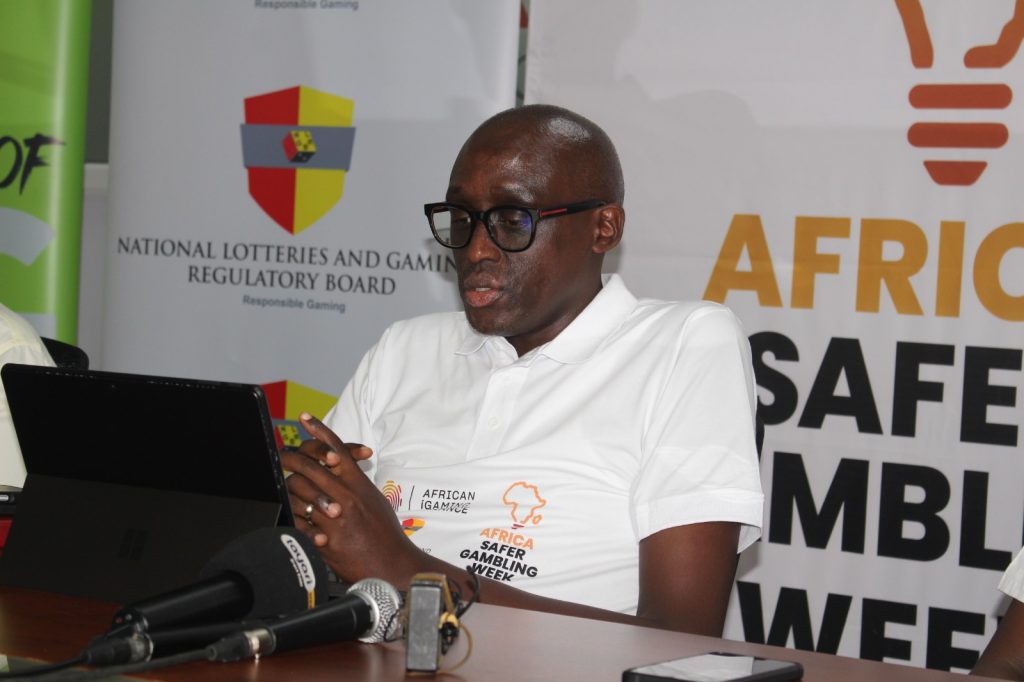
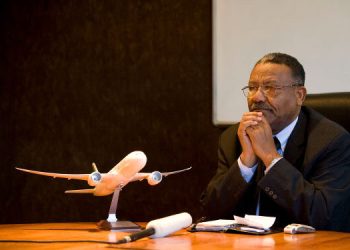
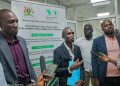
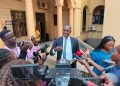
The Chief Executive Officer of the National Lotteries and Gaming Regulatory Board (NLGRB), Denis Mudene Ngabirano, said the growth of the sector must be matched with stronger measures to protect players.
“As regulators, our role goes beyond licensing operators and enforcing compliance. As gaming becomes easier to access, player protection must become stronger. Africa Safer Gambling Week gives us an opportunity to join our counterparts across the continent in putting the wellbeing of the player at the centre of the conversation about the future of gaming,” Ngabirano said.
He urged people who engage in betting to avoid viewing it as a business venture or a means of earning a regular income, stressing the importance of responsible participation.
Emolemo Peter Kesitilwe, Chief Executive Officer of the African iGaming Alliance, said the campaign seeks to turn continental cooperation into practical measures to protect players.
“Player protection is bigger than any one regulator, operator or jurisdiction. Through Africa Safer Gambling Week, we are bringing African stakeholders together around a shared responsibility to help people make informed choices, understand safer gambling and know where to access support when they need it,” Kesitilwe said.
He said the alliance hopes to establish the initiative as an annual continental movement focused on collaboration, education and practical action.
In Uganda, the campaign builds on responsible gaming interventions already being implemented by the NLGRB, including prevention, player protection and support for people experiencing gambling-related harm.
The Board’s awareness programmes have reached 33,593 students and 1,600 teachers across the country, with a particular focus on preventing underage gambling and helping young people understand the risks associated with gambling.
The NLGRB is also calling on parents, guardians, schools and community leaders to play a greater role in protecting young people from exposure to gambling.
Technology is also being used to strengthen player protection. Through the National Central Electronic Monitoring System (NCEMS) and operator-linked systems, players can access measures such as self-exclusion, which allows individuals concerned about their gambling behaviour to voluntarily restrict their participation.
More than 16,700 players have used self-exclusion mechanisms through operator systems.
The launch also brought together gaming operators and mental health professionals working alongside the regulator, highlighting the shared responsibility required to promote responsible gaming.
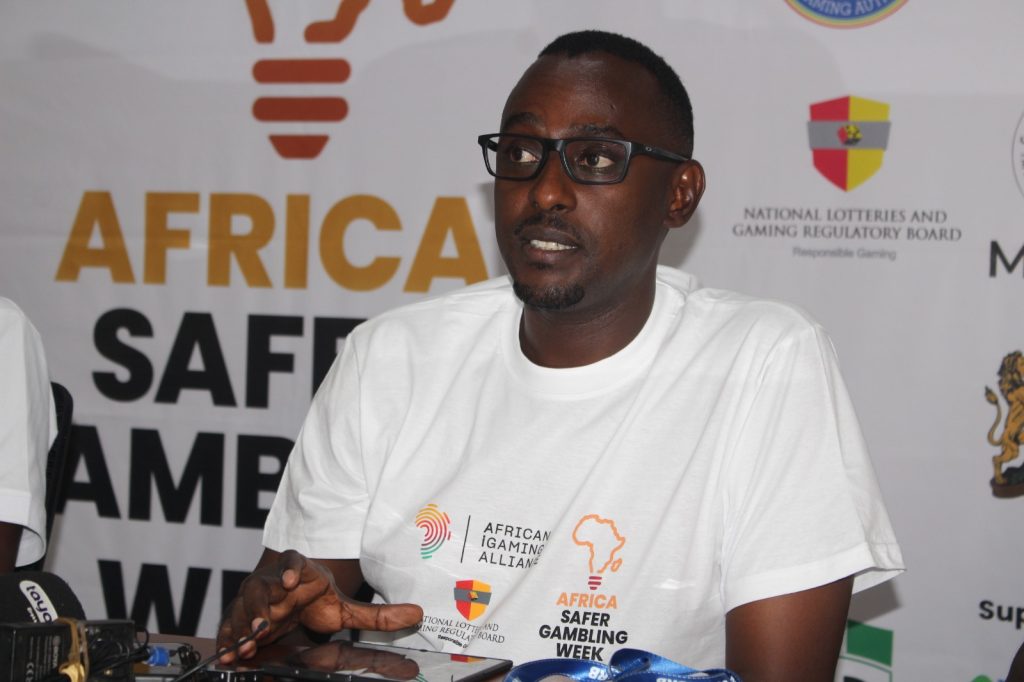
Allan Tumushabe, Managing Director of Chop Gaming, trading as BetPawa Uganda, said operators were implementing measures such as regular Know Your Customer and age-verification checks to identify minors and prevent them from accessing gaming services.
He also highlighted self-exclusion options available to customers who feel they need to take a break from gambling.
The NLGRB has also strengthened support for people experiencing gambling-related harm through its call centre, counselling and referral programme, as well as partnerships with mental health professionals.
Since February 2025, the Board’s call centre has received 2,388 calls, including 320 calls related to responsible gaming.
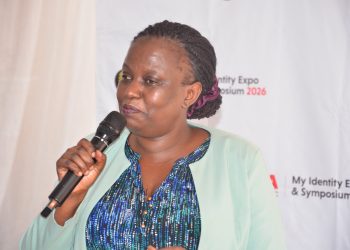
Janet Kantalama, Executive Director of Safe Places, described gambling-related harm as a public health concern, particularly among young people, and highlighted the organisation’s work with the Board to prevent gambling-related harm among school-going children.
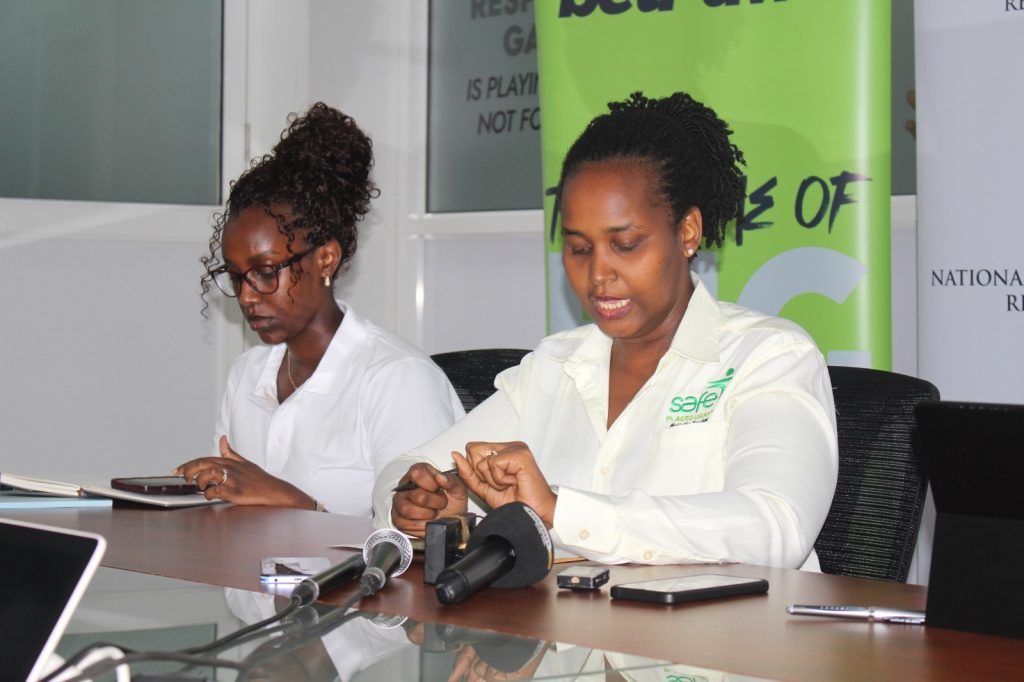
“Help is available, free confidential counselling,” Kantalama said.
Through the partnership, Safe Places provides professional counselling and treatment to people experiencing gambling-related harm, with the cost of treatment covered by the Board.
Ngabirano said responsible gaming requires more than regulation and enforcement.
“Responsible gaming is not simply about telling someone to stop gambling. Where gaming begins to affect a person’s finances, relationships or mental wellbeing, they may need professional support. This is why our partnerships with health professionals and other stakeholders are an important part of our approach,” he said.
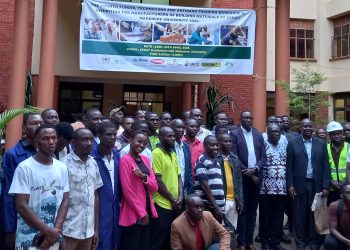
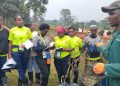
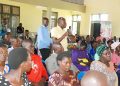
As part of Africa Safer Gambling Week, the NLGRB will take responsible gaming awareness campaigns into communities, targeting boda boda riders, students, market communities and taxi operators.
The activities will focus on practical safer gambling practices, financial literacy, informed decision-making, recognising early signs of gambling-related harm and knowing where to seek help.
The NLGRB says continued growth of the gaming industry must go hand in hand with effective regulation, responsible gaming and consumer protection.
Members of the public seeking support for gambling-related concerns can contact the NLGRB’s toll-free helpline on 0800 285 800.