


KAMPALA, Uganda (UGNEWSLINE) –
The government has pledged to support 30,000 children living with disabilities with surgical operations, rehabilitation and other medical services as part of efforts to improve their quality of life.
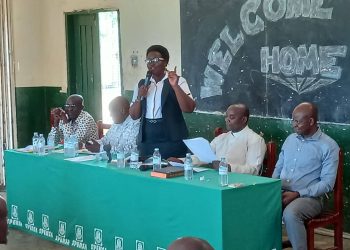
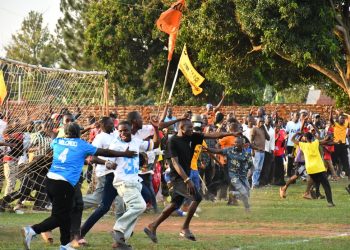
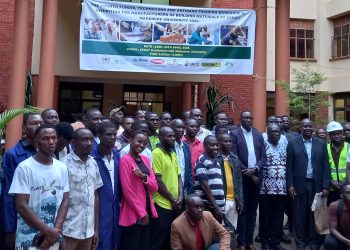
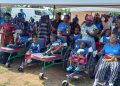
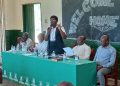
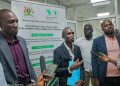
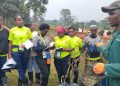
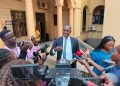
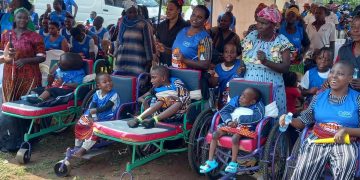
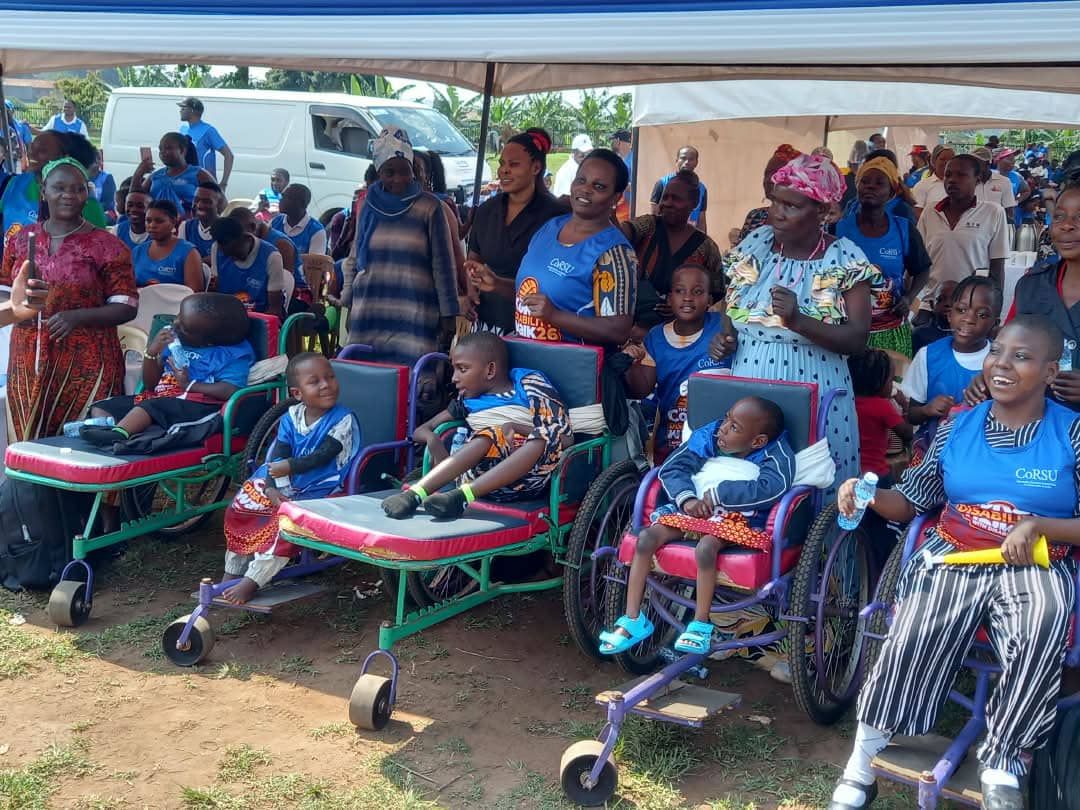
The Commissioner for Disability Affairs in the Ministry of Gender, Labour and Social Development, Prosper Muhumuza, made the commitment on October 4, 2026, while addressing participants at the CORsU Rehabilitation Hospital Disability Walk 2026 held at the Makerere University Business School (MUBS) sports grounds in Nakawa, Kampala.
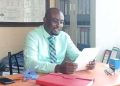
Muhumuza’s pledge followed an appeal by Joseph Mutasaaga, representing the CORsU Rehabilitation Hospital Board President, for increased government funding to enable the hospital provide comprehensive surgical treatment to children with complex disabilities either free of charge or at subsidised rates.
Mutasaaga said CORsU conducted more than 7,000 free surgical operations in 2025, with children accounting for about 80 percent of the beneficiaries. The hospital also provided more than 100,000 rehabilitation-related services, including artificial limbs, physiotherapy, assistive devices, mental health sensitisation, counselling and medication.
He said children aged between zero and five years receive free surgery, while those aged five to 18 years receive a 50 percent subsidy.
Mutasaaga also appealed to donors and well-wishers to support the hospital with MRI and CT scan equipment to enable specialists conduct complex examinations before carrying out surgeries.
Responding to the appeal, Muhumuza said the Ministries of Gender, Labour and Social Development, Health and Finance, working with CORsU, would use their networks to identify 30,000 children with different forms of disabilities who need support.
He said about 1,000 children requiring surgical intervention would initially be identified, with 250 beneficiaries receiving free surgery starting in 25 districts. Others will receive services such as wheelchairs, assistive devices, specialised counselling and treatment.
Muhumuza added that part of the special grant would support renovation of the hospital, capacity-building for medical personnel and the acquisition of other essential equipment and logistics.
Meanwhile, Assistant Commissioner for Disability and Rehabilitation at the Ministry of Health, Dr Moses Muwanga, said government had finalised a strategic framework to guide tax policy on assistive technologies, related appliances and raw materials used to manufacture medicines, drugs and equipment for people with disabilities.
He said the National Drug Authority (NDA) had been directed to prepare a comprehensive list of the relevant items to facilitate consideration of tax exemptions.
Muwanga urged CORsU to work with the NDA to prepare the required technical documents, saying removing taxes on assistive devices and other essential items would make them more affordable for people with disabilities, many of whom have limited incomes.
The Lord Mayor of Kampala, Engineer Ronald Balimwezo, who was the chief walker and is himself a person with a disability, urged parents not to deny children with disabilities access to medical care and other opportunities.
Balimwezo said some parents hide children with disabilities or fail to take them to health facilities for specialist care, yet timely intervention can help them become productive members of society.
He pledged that KCCA would work with its leadership to budget for children with disabilities and support the identification and referral of those requiring specialised services at CORsU.
CORsU CEO Robert Otai said the hospital recently held a free surgical camp where 148 patients turned up, with 18 undergoing surgery while others received different medical services.
Otai urged parents and communities to identify and document children with disabilities and take them to health facilities for assessment and support rather than abandoning them.
He thanked development partners and other stakeholders for their continued support to CORsU and called for more organisations and individuals to support the hospital’s work.
The disability walk was supported by the Ministries of Health and Gender, DTB Bank, Centenary Bank, Christian Blind Mission (CBM), NDA, KCCA, Smile Trends and MUBS, among others.