


The government has been urged to strengthen its efforts to help Ugandans move away from firewood and charcoal and adopt cleaner and safer cooking methods.
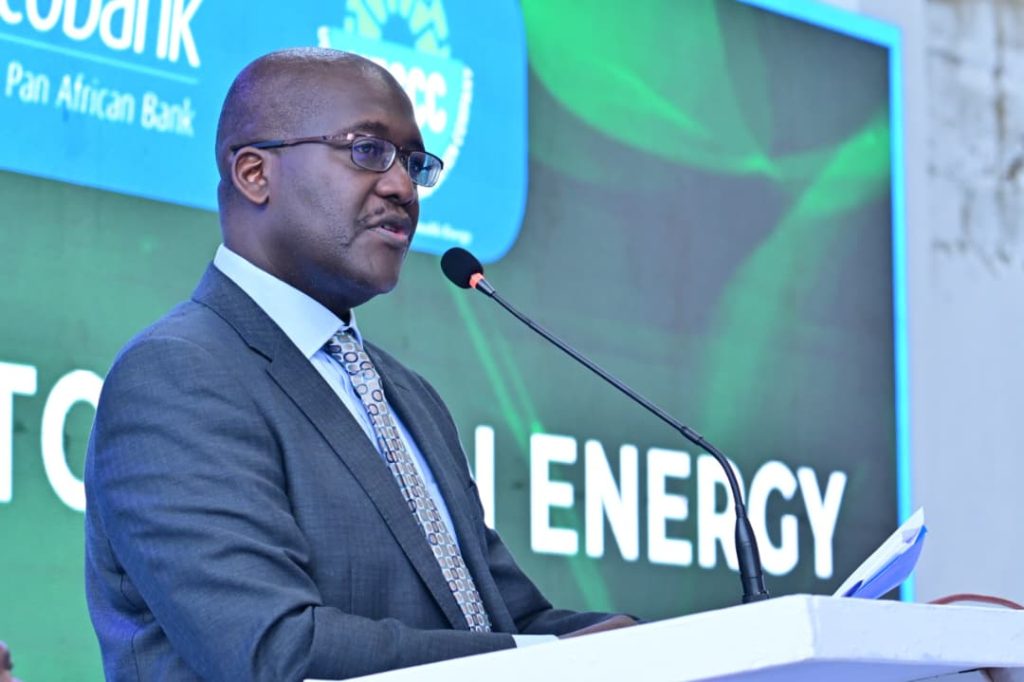
The call was made by Uganda Energy Credit Capitalisation Company (UECCC) Managing Director Roy Nyamutale Baguma during the Uganda Clean Cooking and Green Finance Forum 2026 held at Bujjuko in Mpigi District.
Baguma said Uganda still faces a major challenge in providing clean cooking energy, with the majority of households continuing to depend on biomass fuels.
 Baguma said the heavy dependence on traditional cooking fuels has serious consequences for both public health and the environment.
He noted that smoke produced from burning biomass exposes millions of Ugandans to household air pollution.
The continued demand for firewood and charcoal is also contributing to deforestation. Baguma said Uganda’s forest cover has fallen from about 24 percent of the country’s land area in 1990 to approximately 12.7 percent today, with charcoal production and firewood harvesting identified among the major causes.
Baguma said Uganda should not depend on a single cooking technology because households and institutions have different needs and levels of access to energy.
He cited electric pressure cookers, electric and induction stoves, liquefied petroleum gas, biogas, ethanol cookers, solar cooking technologies and improved biomass stoves as some of the options available in the country.
However, he stressed that increasing the number of clean cooking technologies alone will not solve the problem.
He said the transition will require affordable financing, good quality standards, supportive government policies and stronger involvement of the private sector, financial institutions, development partners and civil society.
 UECCC is supporting this transition through financing programmes aimed at making clean cooking technologies more affordable for households and institutions.
According to the 2024 Uganda Population and Housing Census, only 3.8 percent of the country’s 10.8 million households, equivalent to about 412,000 households, use clean energy for cooking.
The remaining 96.2 percent, or about 10.3 million households, mainly rely on biomass such as firewood and charcoal
He said the government is already taking steps to address the problem, including measures against charcoal production in parts of northern Uganda.
Under the Sustainable Energy Development Programme in the Fourth National Development Plan, the government wants to reduce the share of biomass used for cooking from 75 percent in 2024 to 50 percent by 2030.
At the same time, it aims to increase the share of clean cooking energy to 50 percent by 2030.
Baguma said UECCC is implementing the Financial Intermediation Component of the Electricity Access Scale-Up Project, which has a value of 130 million US dollars.
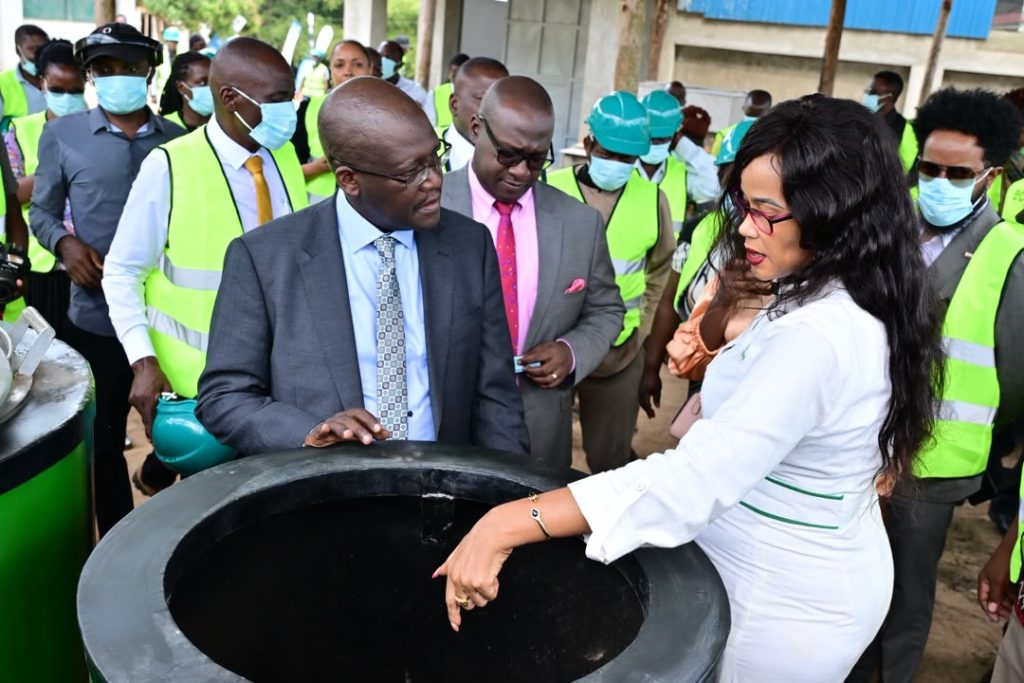
Through its Credit Support Facility, UECCC provides financing to participating financial institutions so they can offer affordable loans to institutions such as schools, hotels, hospitals, universities and vocational institutions to purchase clean cooking equipment.
The company is also implementing a price subsidy programme targeting households. Under the programme, some clean cooking technologies are offered at reduced prices, including electric pressure cookers and improved biomass stoves, while LPG, ethanol and biogas technologies also receive subsidies.
He called for campaigns that demonstrate clean cooking technologies in practical settings instead of relying only on messages encouraging people to change their cooking methods.
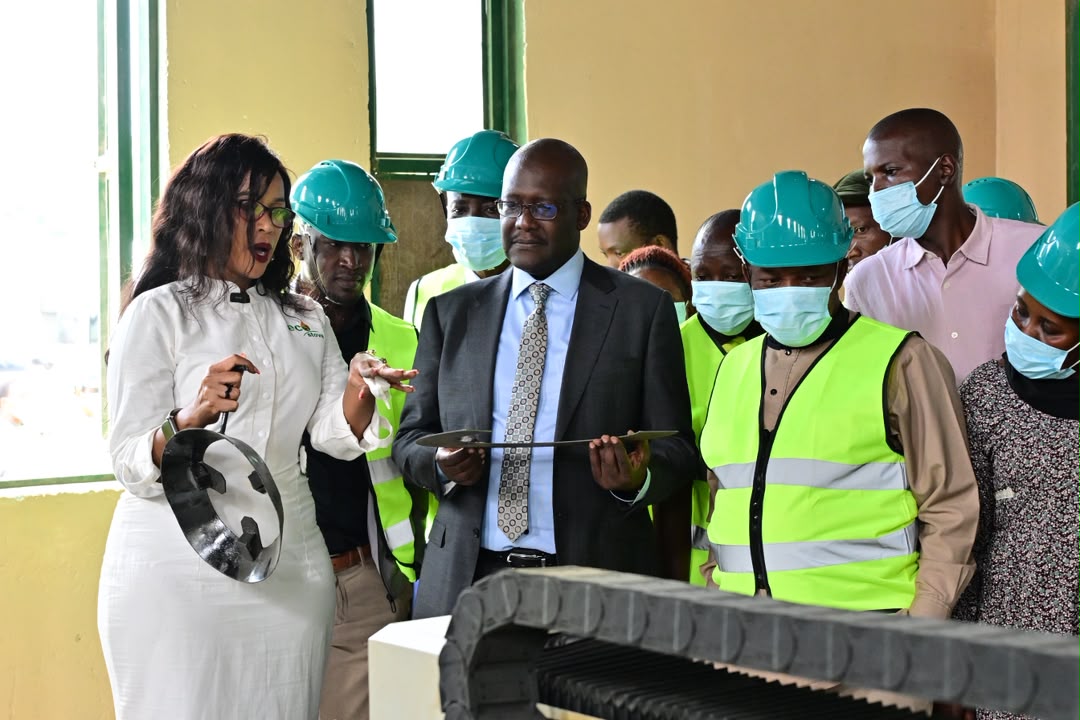
Meanwhile, ECO Group Managing Director Rose Atwiine said her company is working to reduce the use of charcoal and firewood by promoting cleaner cooking technologies.
Atwiine said the company’s focus is also on protecting the environment and reducing the amount of smoke produced inside homes.
Mawokota North Member of Parliament Amelia Kyambadde called for increased public awareness to encourage more Ugandans to adopt clean cooking technologies and move away from traditional cooking methods.
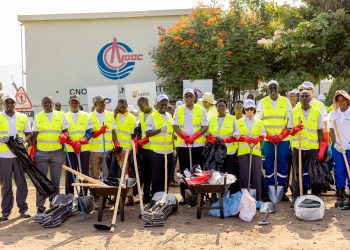
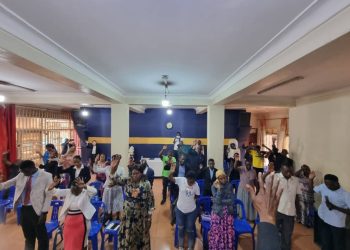
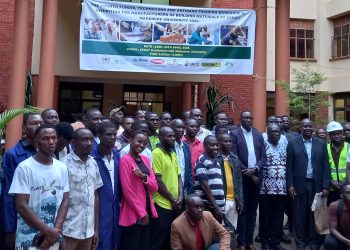
The forum brought together stakeholders from government, financial institutions, the private sector, faith-based organisations and development partners to discuss ways of expanding access to clean cooking and financing.