


The Ministry of Lands, Housing and Urban Development is seeking greater collaboration with the private sector and other stakeholders to develop affordable and sustainable housing solutions as Uganda works to address an estimated housing deficit of 2.48 million units.
The ministry will hold the second Uganda Real Estate and Housing Expo (UREHE) from September 25 to 26 at Kingdom Kampala Gardens, bringing together real estate developers, investors, financial institutions, professionals, government agencies and members of the public.
The expo will be held under the theme, “Innovative Solutions for Sustainable Housing.”
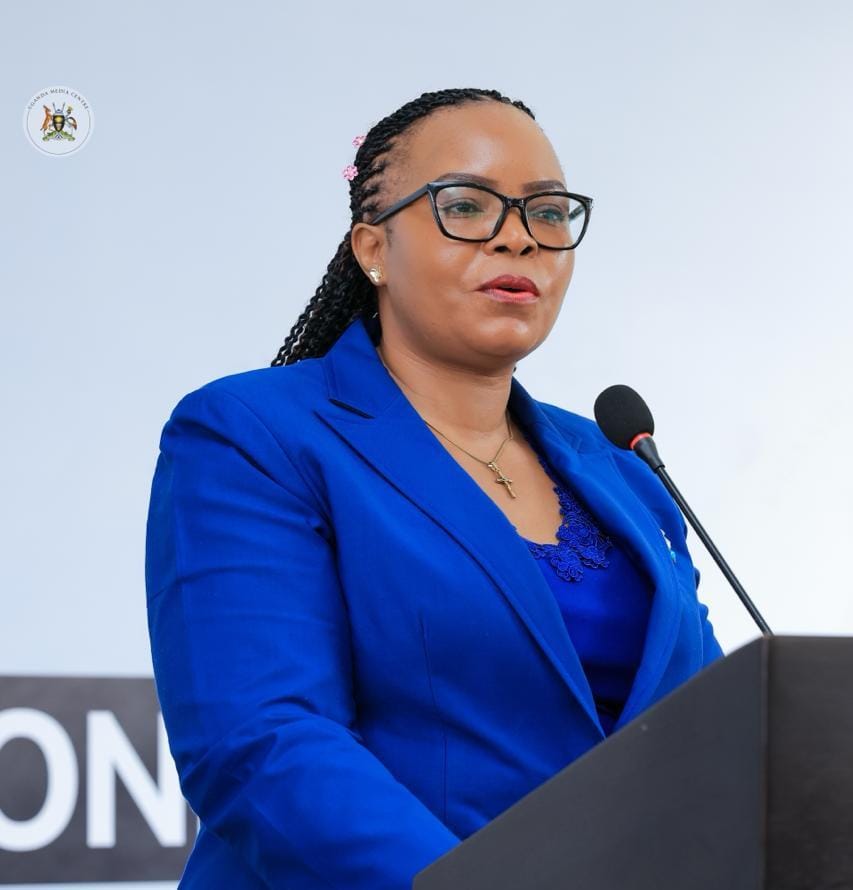
State Minister for Housing Princess Persis Namuganza said the event would provide an opportunity for stakeholders to examine new ways of reducing the cost and time involved in housing construction.
She said Uganda’s housing needs could not be met through conventional construction approaches alone, making innovation in building technologies, materials, designs and financing critical.
The expo will showcase affordable housing designs and technologies while creating a platform for developers and investors to present investment opportunities and for financial institutions to share available housing financing options.
It will also facilitate discussions on emerging trends in the housing market and approaches for expanding access to decent housing, particularly for low-income households.
The ministry said sustainable and climate-resilient housing would also be a key focus, given the growing challenges posed by flooding, poor drainage and heat stress.
Rapid urbanisation is another challenge, with growing populations putting pressure on urban land, infrastructure and social services.
Government says it is addressing these challenges through a range of policies, laws and planning interventions.
The National Housing Policy, 2016, provides the overall framework for housing development, while the National Urban Policy, 2017, guides the country’s urbanisation process.
The Physical Planning Act, 2010, and its amendments provide for orderly spatial development by declaring the whole country a planning area.
The Government is also implementing the Condominium Property Act, 2001, which supports vertical housing development, particularly in urban areas where availability of land is increasingly constrained.
The Landlord and Tenant Act, 2022, provides a framework for relations between landlords and tenants, while model rules for residential condominiums have been operationalised to improve their management.
The ministry has also operationalised energy-efficiency guidelines for buildings as part of efforts to promote sustainable development.
To improve access to land-related services, 23 ministerial zonal offices have been operationalised across the country, bringing land services, valuation and physical planning services closer to the public.
The Government has also established National Urban Fora to facilitate dialogue on urbanisation and housing, while the National Physical Development Plan IV is being implemented to guide spatial and human settlement development.
The Uganda Cities and Municipal Infrastructure Development Programme is also expected to begin implementation soon.
Namuganza said the expo would strengthen partnerships between Government, private-sector players and professional bodies while promoting investment and the adoption of practical solutions to Uganda’s housing challenges.
Members of the public will also be able to access free land title searches at the ministry’s exhibition stall during the two-day event.