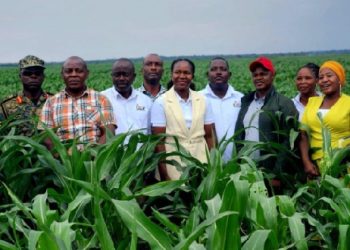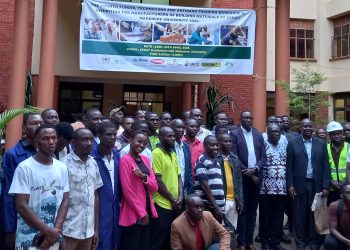






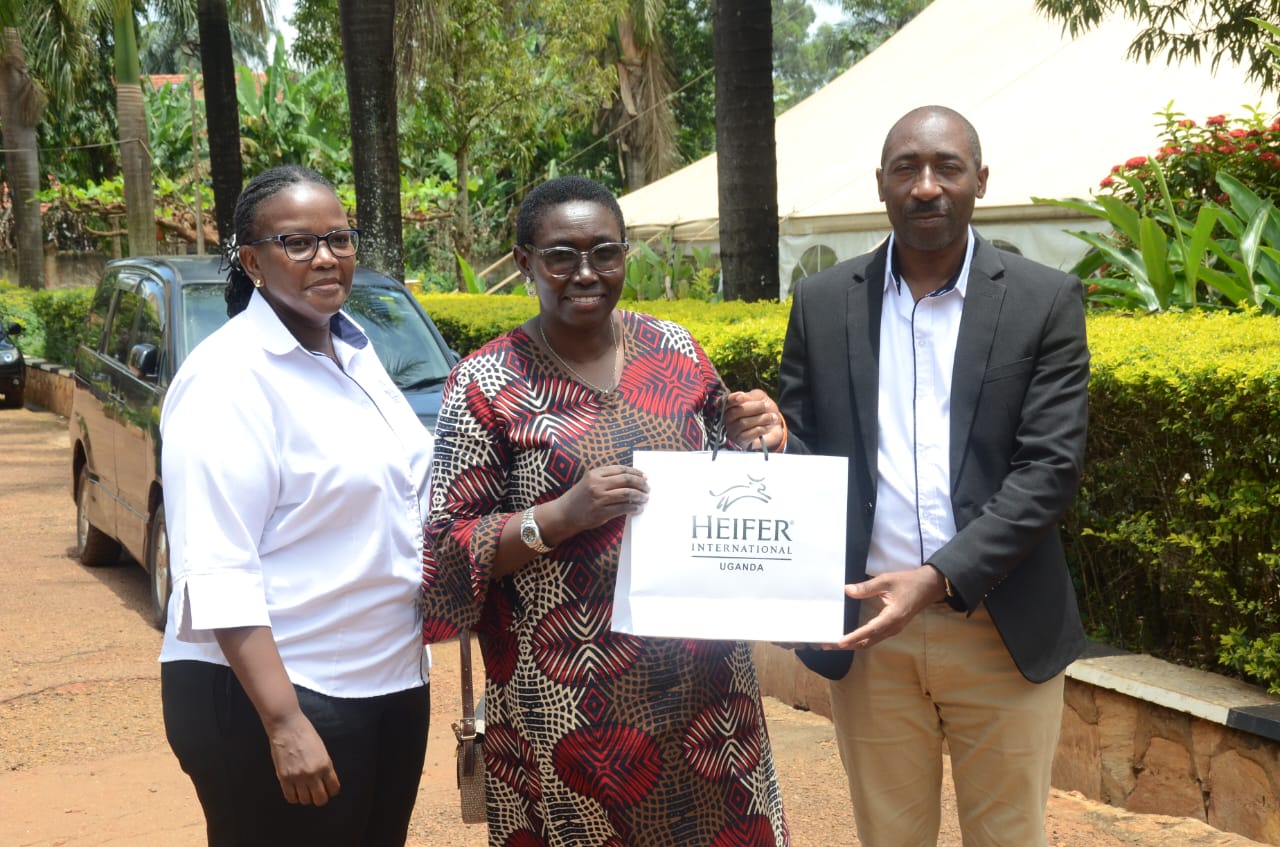
JINJA CITY — Heifer International has reaffirmed its commitment to empowering women in agriculture as it joined the world to celebrate International Women’s Day at a vibrant event held in Jinja City.
The celebrations, hosted at the Source of the Nile Hotel, brought together women from diverse districts across Uganda, all actively engaged in agriculture and agribusiness.
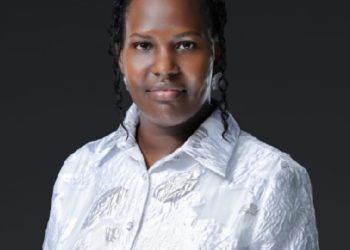
Speaking during the event, Neumbe Nabudera, People’s Director and Head of Human Resources at Heifer International, emphasized the organization’s mission to end hunger and poverty while promoting sustainable environmental practices. She noted that the gathering was aimed at recognizing the vital role women play in agriculture and their contribution to building sustainable livelihoods for their families and communities.
“We have brought together women from different districts and capacities who are actively engaged in agriculture. This is to celebrate their efforts and the critical role they play in ensuring food security and economic stability,” Nabudera said.
She highlighted that Heifer International intentionally prioritizes women’s inclusion in its programs, targeting at least 60% female participation across its projects. Under its flagship youth employment initiative(SAYE), 65% of beneficiaries are young women. The organization also ensures inclusivity by integrating women with disabilities into agricultural value chains.
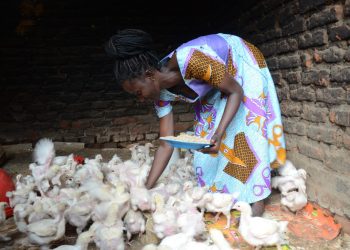
Despite these efforts, Nabudera acknowledged persistent challenges facing women, including limited access to land and finance. She explained that Heifer International, in partnership with organizations such as Asigma and FSD Uganda, is working to address these barriers by facilitating access to land, financial services, and capacity-building programs. These initiatives aim to help women transition from subsistence farming to value addition and market-oriented production.
Since its inception in Uganda decades ago, Heifer International has reached over one million farming families, with women making up the majority. Nabudera stressed that the organization will continue building on its successes over the next decade by fostering inclusivity and collaboration between men and women to drive community transformation.
Professor Saphina Biira, Deputy Vice Chancellor for Community Affairs and Research, at Busitema University, who was the guest of Honour, commended the Heifer International for spotlighting women in agriculture, entrepreneurship, and agro-processing.
“What stood out for me today is seeing women not only as farmers but also as entrepreneurs and processors. This is the direction we need to take as a country,” she said.
Professor Biira underscored the importance of innovation, value addition, and certification in boosting Uganda’s agricultural sector. She noted that while many women are already producing quality goods, they require support in certification, incubation, and market access to scale their businesses.
She also raised concern over limited land ownership among women, revealing that only about 20% have access to land. She called for both cultural and financial interventions, encouraging families to allocate land to daughters and urging financial institutions to support women in land acquisition through flexible financing options.
Additionally, she stressed the need to embrace modern agricultural technologies such as irrigation, noting that reliance on rain-fed agriculture is unsustainable. Universities, she said, are already developing affordable technologies, including solar-powered irrigation systems, which could benefit farmers if adopted widely.
Wendy Joan Lalumu from Private Sector Foundation Uganda urged women to register their businesses, certify their products, and embrace taxation as a pathway to growth and access to wider markets.
“About 70% of women’s businesses are informal. We must move beyond small-scale operations by ensuring our businesses are registered and our products certified if we are to compete in larger markets,” Lalumu said.
She emphasized the importance of financial literacy, record-keeping, and smart borrowing. According to her, many women miss out on loan opportunities due to lack of collateral, but maintaining proper financial records can improve their eligibility for credit.
Lalumu encouraged women to utilize available financial products, including Grow loans under agricultural credit facilities offered through institutions such as Centenary Bank, Equity Bank, DFCU, and Finance Trust Bank. However, she cautioned against borrowing without clear plans.
“Borrow for productive purposes, not consumption. Understand your business, keep records, and ensure the loan will generate income before taking it,” she advised.
She also highlighted the importance of saving, recommending that women set aside at least 10% of their earnings to build financial resilience.