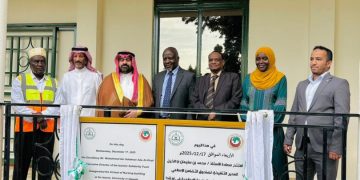



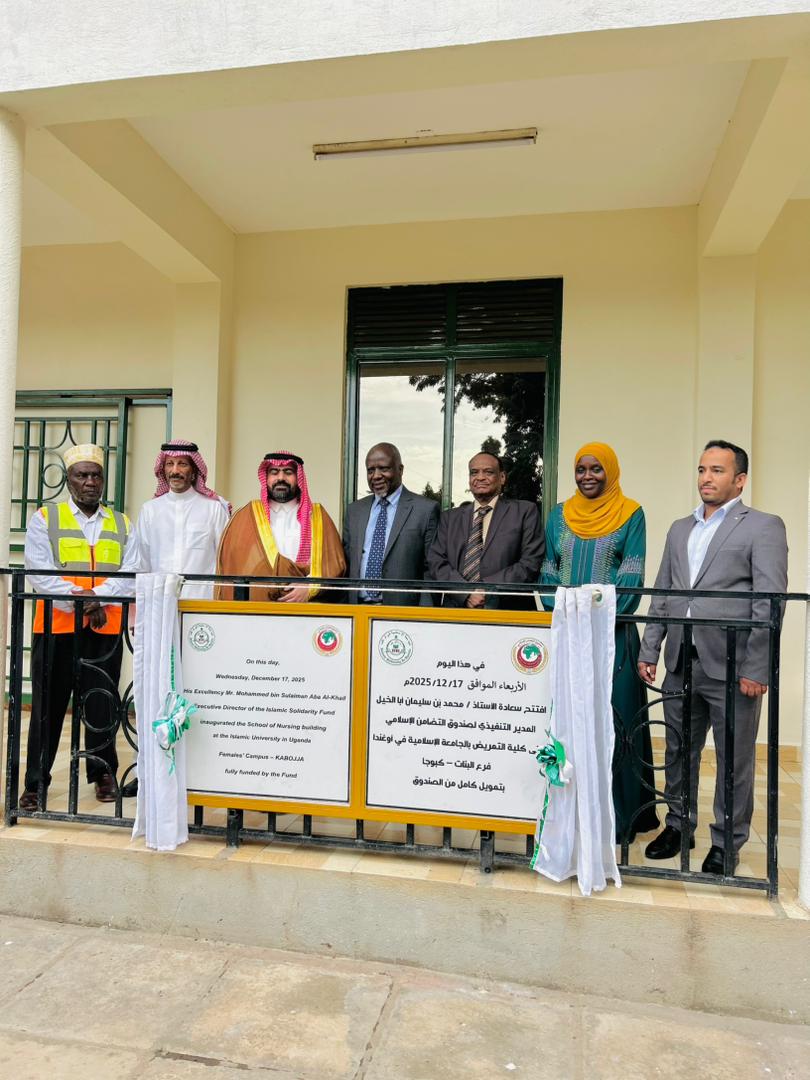
On the outskirts of Kampala, the launch of a new $260,000 skills laboratory at the Islamic University in Uganda (IUIU) is signaling a major boost for women’s higher education and health training in the East African region.
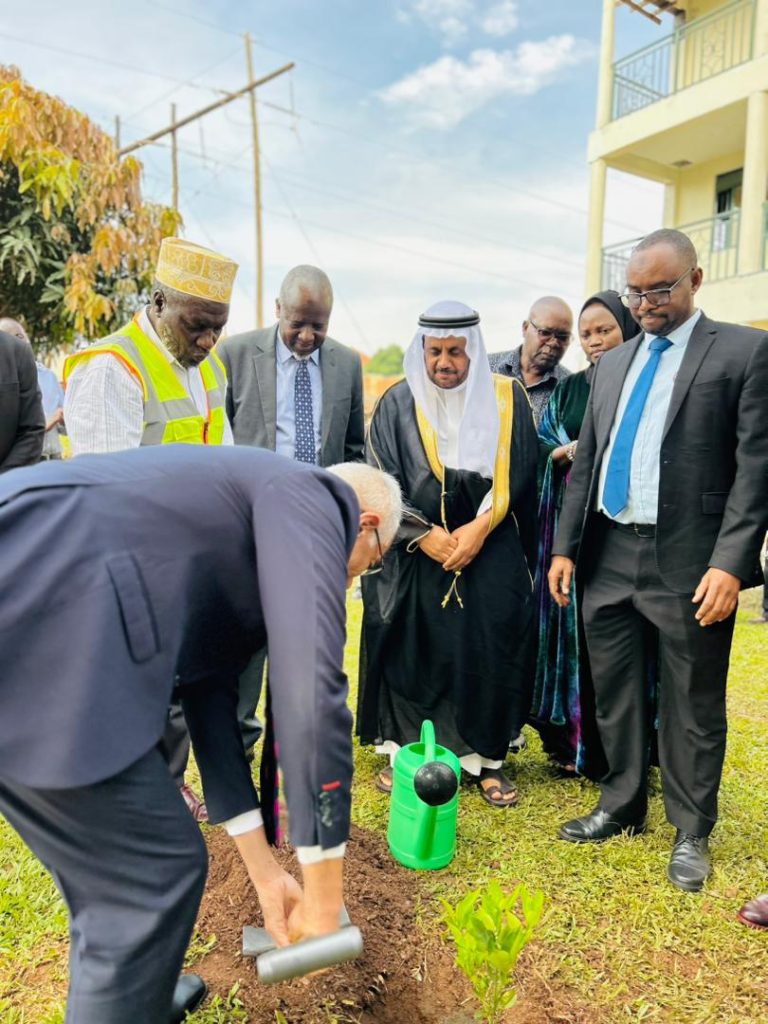
Located at IUIU’s Females’ Campus, the facility was funded by the Islamic Solidarity Fund (ISF) under the Organisation of Islamic Cooperation (OIC) and is aimed at strengthening medical and health sciences education for women.
More than a physical structure, university leaders say the project represents a long-term investment in human capital and regional development.
“Our campus has struggled with limited infrastructure, hostels, classrooms, and labs,” said Associate Professor Madina Nabukeera, Director of the Females’ Campus. “This building under the Faculty of Health Sciences is a dream fulfilled,”
Of the total grant, $130,000 has already been disbursed, with the funds set to expand training capacity for female doctors, nurses, and public health professionals.
University officials highlighted the inauguration as another milestone in a partnership that stretches back more than a decade.
Professor Ismail Simba Gyagenda, representing IUIU management, recalled ISF’s role in purchasing land for the campus in 2008, when enrollment stood at just 300 students. Today, the campus hosts more than 1,600.
“ISF has been here for the university since time immemorial,” Gyagenda said, noting the institution’s emphasis on ethics and religious grounding, which he said produces graduates who are “easily employed” and widely trusted.
The reputation was echoed by Ambassador Nusurah Tiperu, head of IUIU’s Estates Committee, who emphasized the broader social impact of educating women.
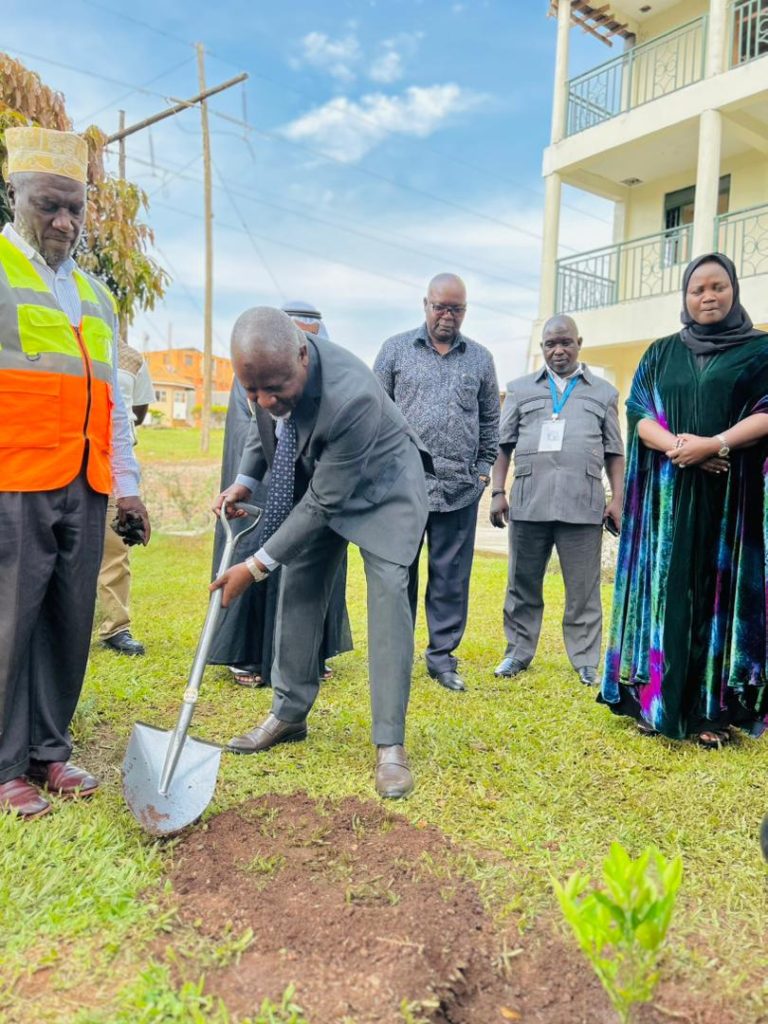
“The girls that graduate from IUIU are among the most disciplined in our societies and civil service,” she said, noting that “They have been entrusted with institutions, companies, and ministries because of their culture and manner.”
Ambassador Tiperu also pointed to national policy support, citing President Yoweri Museveni’s affirmative action program that awards additional points to female university applicants. The policy, she said, “has helped manage access to university education plus empower women in leadership positions.”
Beyond infrastructure, speakers underscored education’s role as a humanitarian response in times of crisis. Professor Nabukeera appealed for increased scholarship support for Sudanese students displaced by conflict, many of whom are already assisted by ISF.
The human centered approach was reinforced by Dr. Saleh Hamad A. Alsuhaiban, Vice President of ISF and Saudi Arabia’s Permanent Representative to the OIC. “Investing in a building is very easy,” he told journalists, “but what about investing in human beings?”
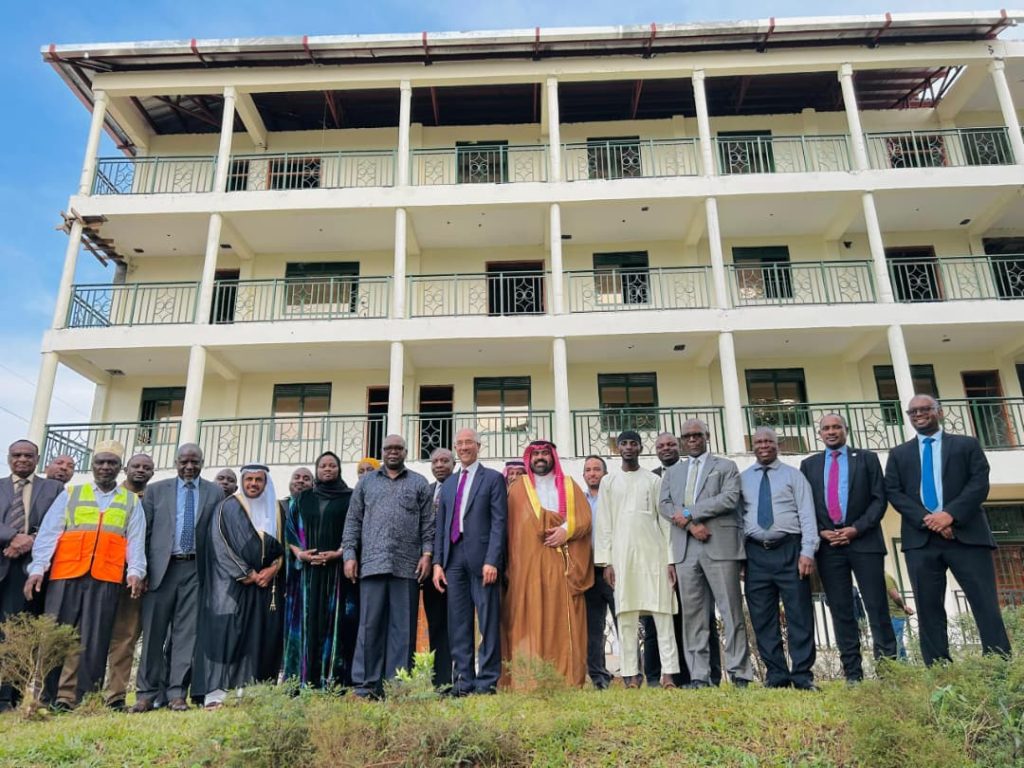
He urged Muslims to use knowledge for the benefit of society, describing education as the most sustainable form of development.
Professor Dr. Aftab Ahmad Khokher, OIC Assistant Secretary General for Science and Technology, noted that the idea for IUIU originated in Pakistan in the 1970s.
“Seeing these projects is a testimony that OIC and ISF are fulfilling their promises,” he said, pledging further support to help transform the female campus into a global center of excellence.
The new medical laboratory, informed by benchmarking visits to Turkey and Saudi Arabia, is designed as a space where women can thrive academically and professionally.
Tiperu described it, it is a place where young women can “have the freedom to fly.”
In a region where women’s access to higher education still faces social and economic barriers, the development at Kabojja IUIU Female Campus sends a clear message that sustained investment, supportive policy, and committed leadership can produce lasting change.