

KAWEMPE Division, Kampala (UGNEWSLINE) – The ongoing national mosquito net distribution exercise has encountered supply challenges in parts of Kawempe Division, Kampala, with several parishes reportedly receiving fewer mosquito nets than required to cover their targeted households.
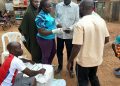
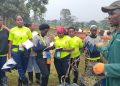
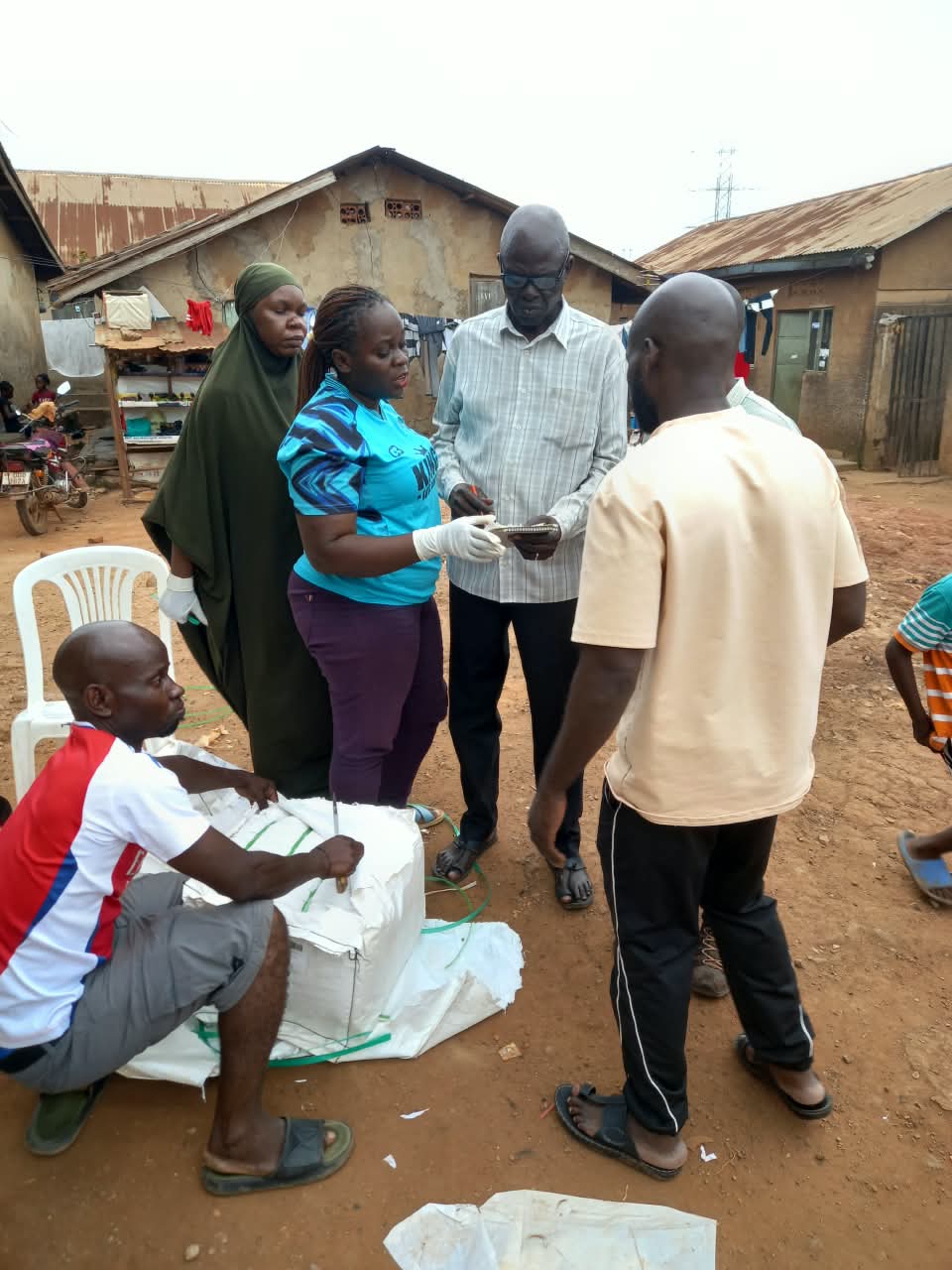
A monitoring visit conducted by our reporter on Sunday, November 22, 2026, in Mulago I, Mulago II and Mulago III parishes established that the three areas were affected by inadequate supplies, leaving some households at risk of missing out on the government-supported malaria prevention campaign.
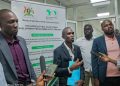
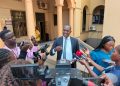
In Triangle Zone, Mulago II Parish, LC1 Chairperson Joshua Ssekandi expressed concern over the shortfall, revealing that his area, which has 2,631 households, received only 23 bales of mosquito nets against an expected allocation of 53 bales, representing a deficit of 30 bales.
Ssekandi said the shortage had significantly affected the distribution exercise, making it difficult to ensure that all eligible households benefited from the programme. He also attributed the low coverage partly to inadequate public awareness, explaining that some prospective beneficiaries missed the national registration exercise because they were not sufficiently informed about the registration process and its timelines.
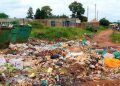
He commended the government for providing mosquito nets as part of its broader efforts to strengthen malaria prevention and control, noting that malaria remained a major public health concern in the area. He further highlighted poor hygiene and sanitation practices as factors contributing to the community’s vulnerability to disease.
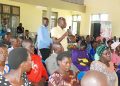
Nansubuga Ramulah, a Village Health Team (VHT) member in Triangle Zone, said several households were unable to participate in the registration exercise because of the short notice given to residents. She appealed to the government to provide additional mosquito nets to accommodate families that had been left out of the distribution programme.
Ramulah observed that the success of the national malaria prevention campaign depended not only on the availability of mosquito nets but also on adequate community mobilisation and public awareness to ensure that eligible households were registered and reached.
She thanked residents who participated in the exercise and urged parents and guardians to ensure that children consistently sleep under treated mosquito nets, describing proper and regular use of the nets as one of the most effective household-level interventions for preventing malaria.
Uganda’s mass mosquito net distribution campaigns form part of the government’s wider strategy to reduce malaria infections and deaths, particularly among children under five and pregnant women, who remain among the most vulnerable groups. Through the Ministry of Health and its implementing partners, the government has continued to promote the use of insecticide-treated mosquito nets as a key malaria prevention intervention, alongside early diagnosis, prompt treatment and community health education.
The distribution programme is intended to improve access to protective nets, increase household coverage and reduce mosquito-human contact, particularly in communities where malaria transmission remains a significant health challenge. Village Health Teams and local leaders play an important role in mobilising residents, verifying beneficiary households and promoting proper net use.
However, the reported shortages in parts of Kawempe have raised concerns about whether the available consignments will be sufficient to meet the needs of all targeted households. Community leaders have consequently called for additional supplies and stronger public sensitisation to ensure that no eligible family is excluded from the national campaign.
Some residents who benefited from the exercise welcomed the government’s intervention, describing the provision of mosquito nets as an important demonstration of its commitment to protecting citizens against malaria. They appealed for continued government support to ensure that every household has access to a mosquito net and the opportunity to protect its family from preventable malaria infections.