


As darkness settled over north-western Uganda, a routine night on the road turned into a high-stakes pursuit that would end with a haul of illegal cigarettes off the streets and renewed attention on the country’s fight against smuggling.
Officials from the Uganda Revenue Authority (URA) moved in after receiving information about a vehicle suspected of transporting contraband.
The operation, carried out by the authority’s enforcement team in Pakwach, led to a dramatic chase through the night as the suspected vehicle attempted to escape.
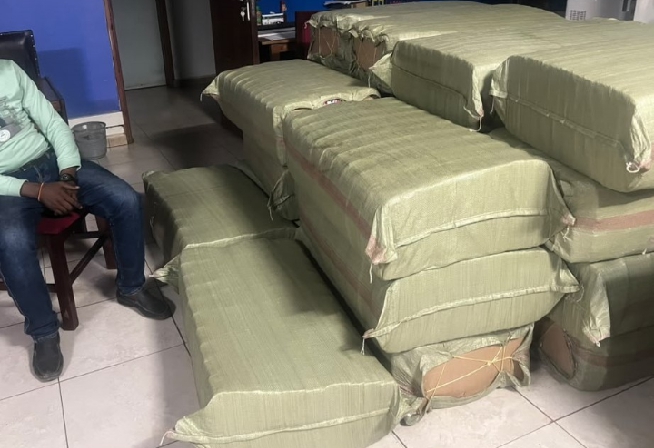
The pursuit ended when the driver abandoned the pickup truck and fled on foot, leaving behind 70 cartons of Supermatch cigarettes that authorities say were being moved through illegal channels. One suspect was later arrested and taken to police custody as investigations continued.
For communities along Uganda’s trade routes, such incidents reflect a wider struggle that stretches beyond a single shipment. Governments across East Africa have increasingly focused on tackling illicit trade networks that move untaxed goods across borders, depriving states of revenue needed for public services while creating unfair competition for legitimate businesses.
Tobacco smuggling has become a persistent challenge in many parts of the region, where long transport corridors and informal trading networks can be exploited by organised groups seeking to avoid taxes and regulatory controls.
The URA says enforcement operations are part of a broader effort to protect government revenue and ensure that businesses operating legally are not undercut by cheaper, untaxed products.
For the officers involved in the Pakwach operation, the interception represented a successful disruption of one suspected supply route.
But for authorities across the region, the challenge remains a continuing one: keeping pace with increasingly adaptive smuggling networks while safeguarding the economic resources that fund national development.