

As the 2026 general elections draw near, the National Resistance Movement (NRM) has embarked on one of its most intensive mobilisation efforts in Kampala in more than a decade.
But beneath the rallies, speeches, and renewed presence in city divisions, party leaders acknowledge a stark reality: NRM is facing one of its toughest political horizons in the capital, and only a dramatic shift toward internal reconciliation, grassroots empowerment, and discipline can reverse their waning influence.
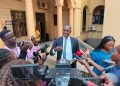
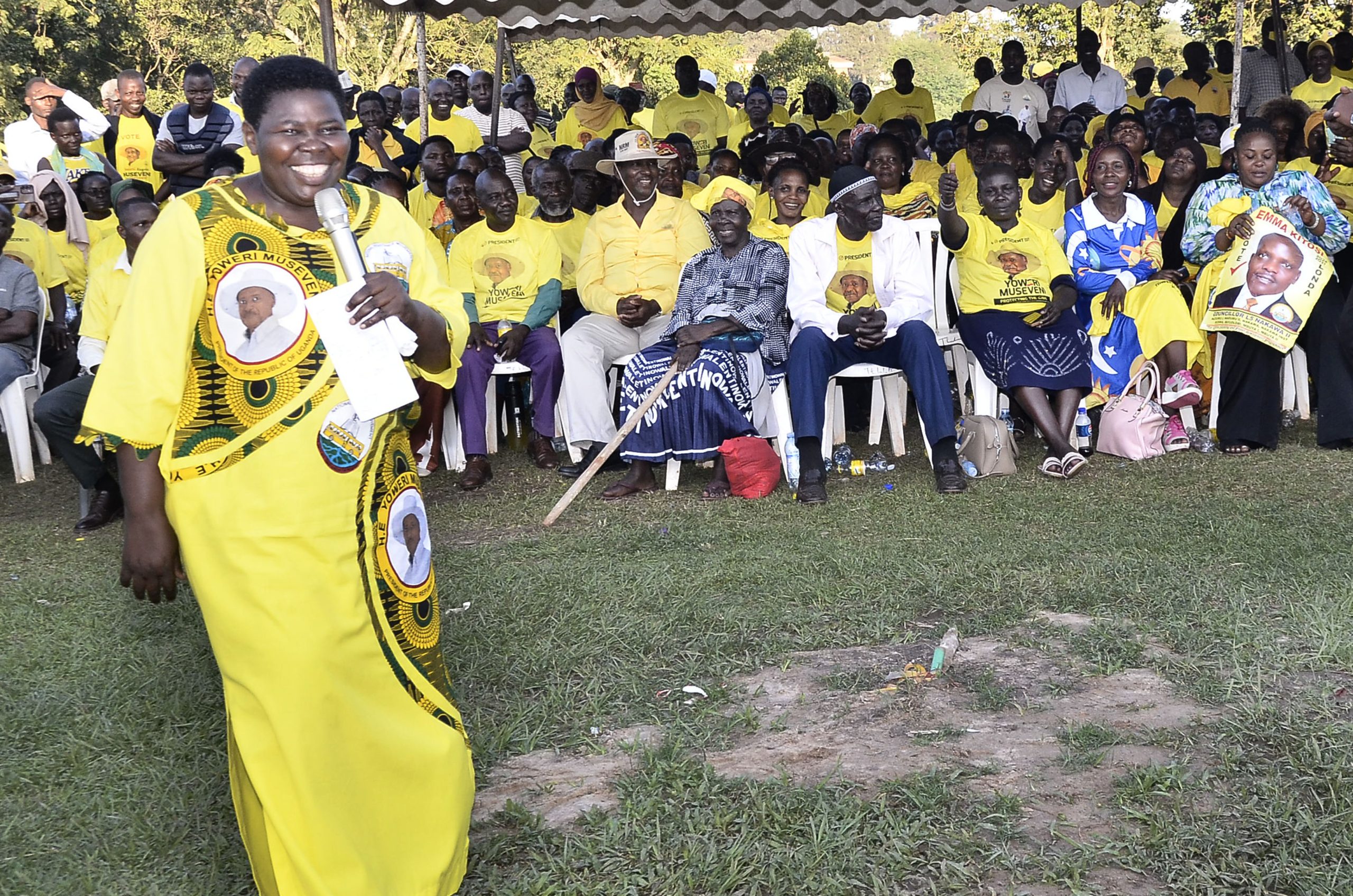
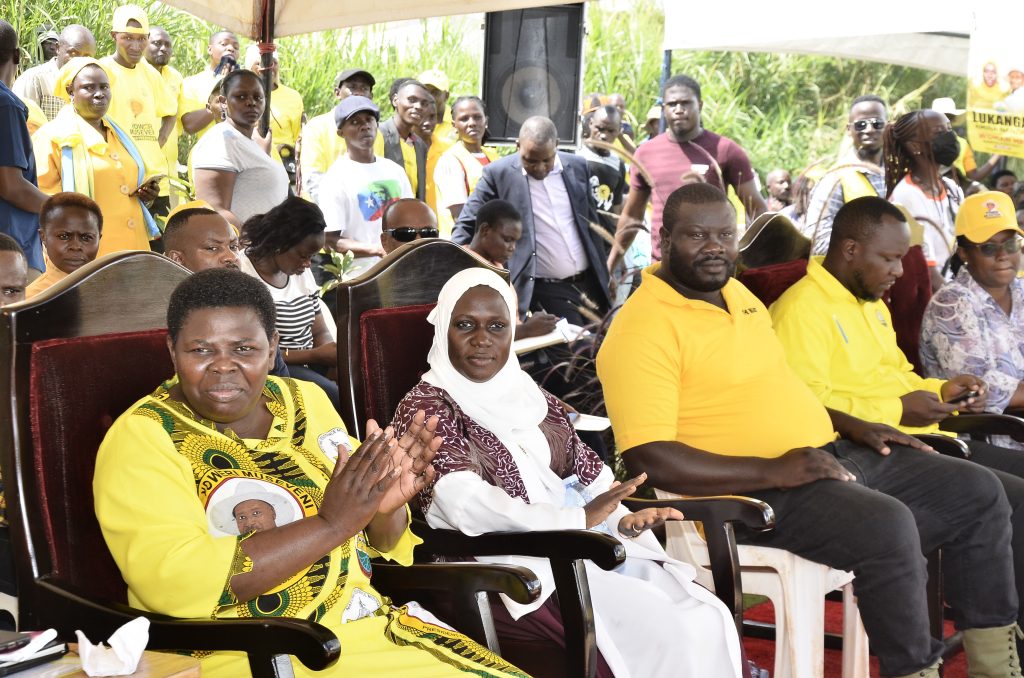
A series of mobilisation meetings held across Makindye, Nakawa, Central, Rubaga, and Kawempe between November 11 and 13, 2026 suggest a party not only trying to energize its base, but also working to repair deep fractures that have long undermined its support in Kampala.
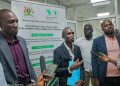
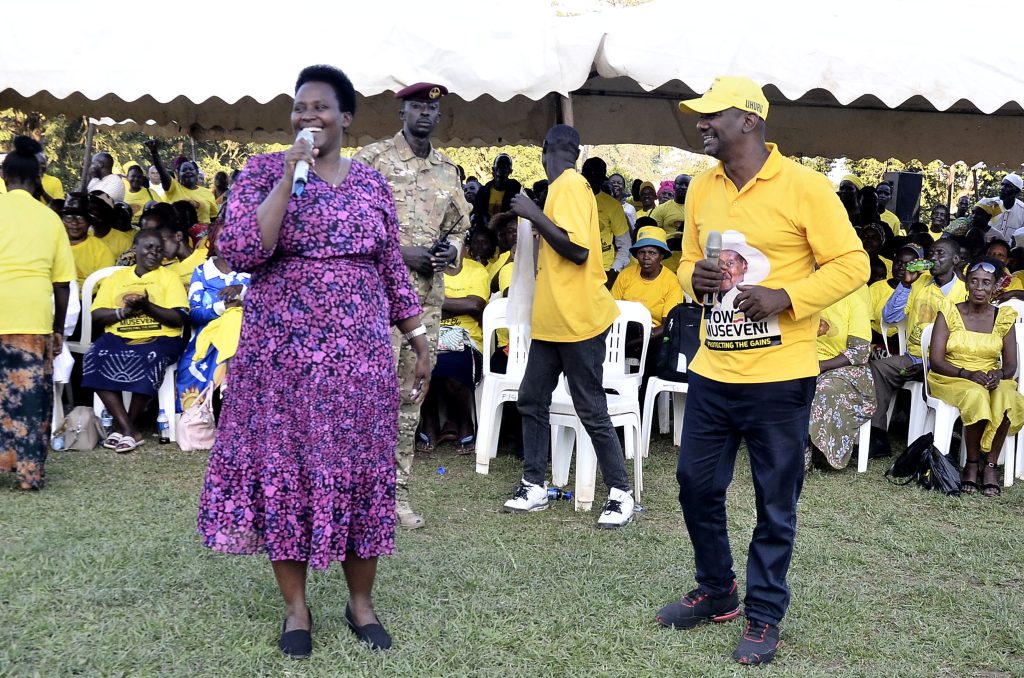
The gatherings, attended by senior party leaders including NRM Deputy Secretary General Rose Namayanja, Kampala Vice Chairperson Salim Uhuru Nsubuga, and State House Comptroller Jane Barekye, centered on a single theme: unity, or the party risks defeat.
Despite its vast national machinery, robust financial muscle, and strong rural support, the NRM remains a minority force in a capital dominated by opposition parties, especially the National Unity Platform (NUP).
In the Kampala Capital City Authority (KCCA), the ruling party holds only two out of 85 elective positions, a statistic repeatedly cited in meetings as evidence that something is fundamentally broken.
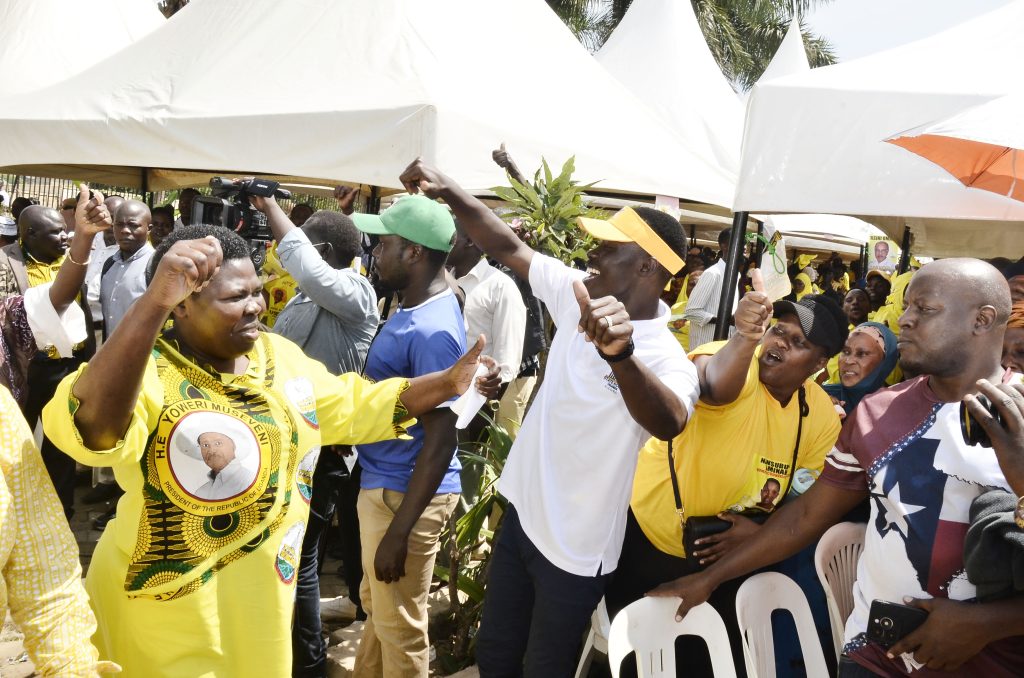
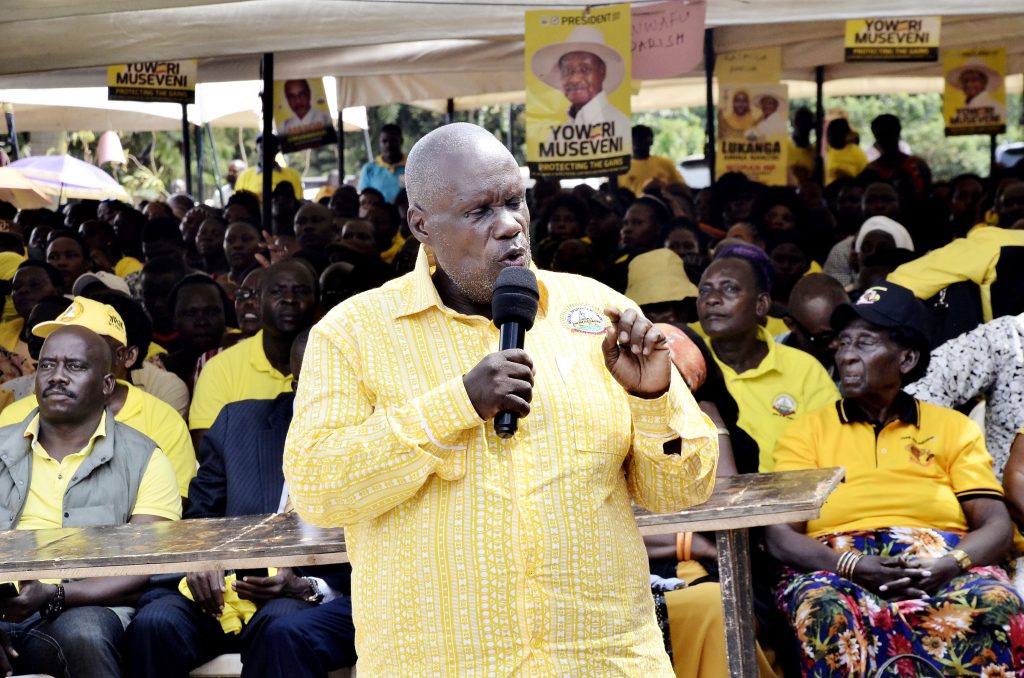
Salim Uhuru, the NRM Vice Chairperson for Kampala region, and currently the only NRM mayor in the city, did not downplay the problem.
In his address to the leaders, he warned that the internal divisions that have defined NRM politics in Kampala for years have become a “self-inflicted wound,” costing the party election after election.
He urged members to “let go of grudges and forgive those who may have wronged them,” telling them that only unity could unlock the power of their grassroots structures.
According to Uhuru, the NRM in Kampala is strong with functional and established village structures committees, coordinators, and sub-county level mobilisers, but the party has failed to convert organisational presence into electoral results.
His argument is simple: the problem is not numbers, but disunity.
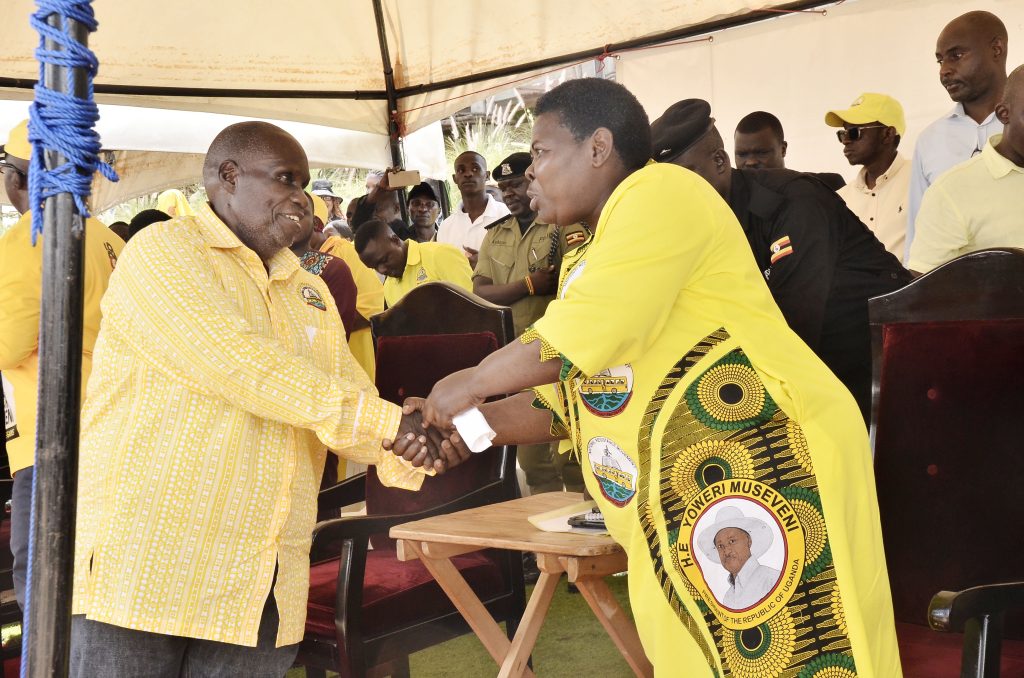
He acknowledged that in previous elections, the party neglected its own structures, leaving local mobilisers unsupported and demoralized.
This time, he said, things would be different. Resource facilitation, logistical backing, and direct engagement with local leaders are expected to form the backbone of the 2026 strategy.
Unfinished business from the primaries
One of the most delicate problems confronting NRM in Kampala is the fallout from disputed primary elections, which often produce disgruntled independents who split the party vote.
The 2021 elections were especially destructive; dozens of NRM-leaning independents fractured the ruling party’s voter base, gifting opposition candidates’ easy victories.
Uhuru addressed this head-on, asking all independents who broke away after primary disagreements to put the party’s interests above their personal ambitions. He argued that fragmentation only serves to strengthen the opposition in a city where votes are already hard to secure.
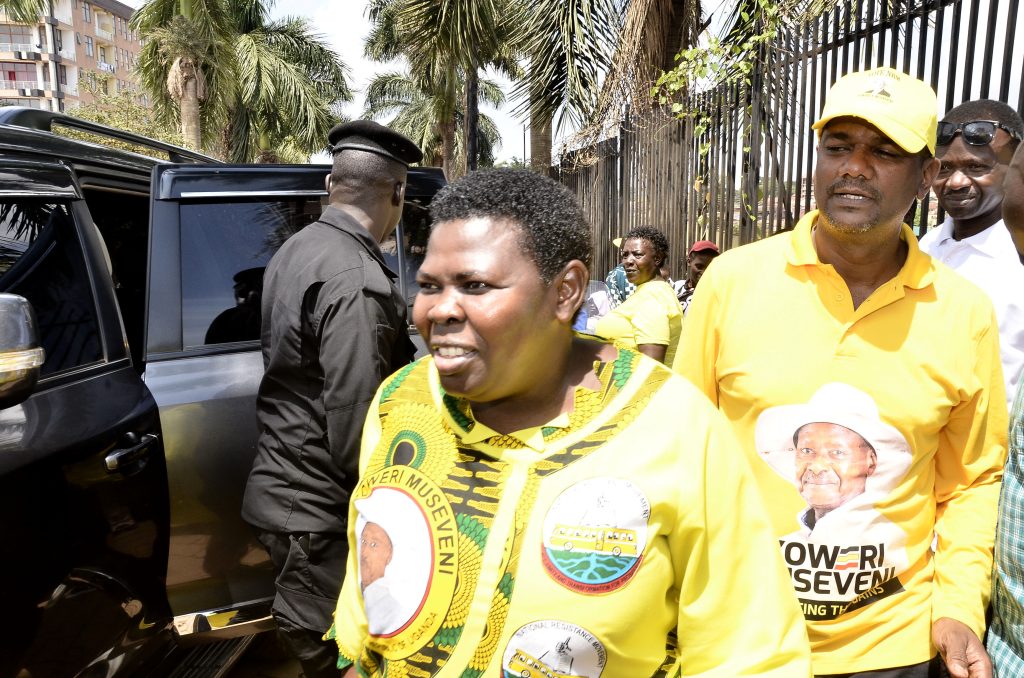
“Every time we split our support, we literally hand over seats to the opposition,” he told leaders.
He urged all NRM leaning independents to step aside quietly and rally behind officially endorsed flag bearers.
Whether they will comply remains to be seen.
We must take over Kampala
During engagements across the divisions, Deputy Secretary General Rose Namayanja delivered perhaps the most unfiltered message.
She said the internal bickering that has defined Kampala’s NRM must end, or the party should prepare for another electoral embarrassment.
She reminded leaders that the election is now only two months away, leaving little time to mend internal fences.
“Put aside the differences and move as one,” she urged.
She reinforced the importance of “strictly voting the bus,” the party symbol, saying divided loyalties at the polling booth had cost them dearly in the past.
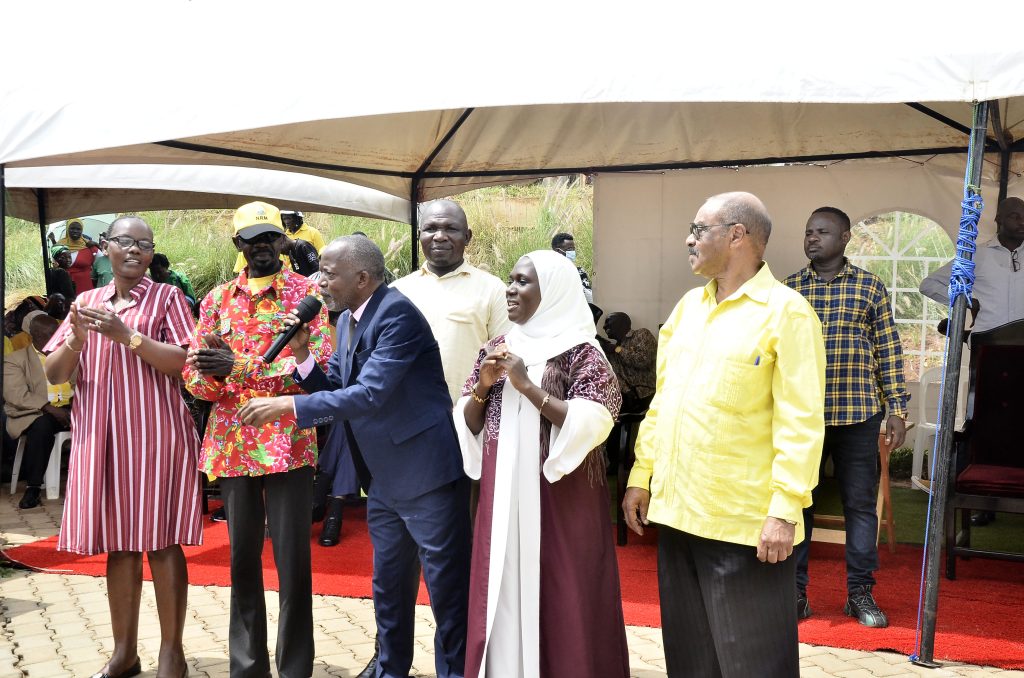
Namayanja also presented the full line up of NRM candidates for Kampala at various levels, calling for total discipline in messaging and voter engagement. Her strongest argument, which resonated across the divisions, was that the party cannot win Kampala unless all flag bearers are win.
And for that to happen, she insisted, the lower structures must take command of the mobilisation.
Village structures take the lead
One of the most striking aspects of the 2026 campaign is the decision, approved by President Museveni, to allow village-level leaders to spearhead mobilisation.
This is a significant shift from past elections, where national and external mobilisers took charge, often overshadowing the local structures.
Namayanja explained that after reviewing previous failures, the party leadership concluded that external mobilisers lacked the intimate connection with voters needed to sway opinion in urban settings.
Village leaders, she argued, know the households personally, understand local grievances, and can communicate the party’s achievements more credibly.
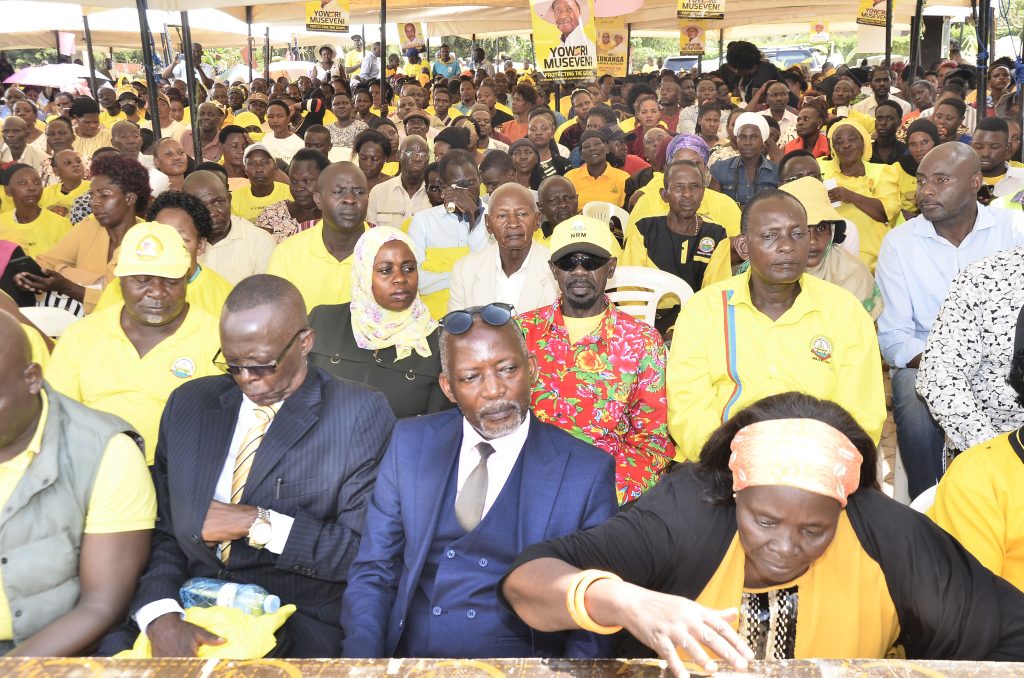
“You will be supported in every possible way to reach each household,” she assured the leaders.
The 2026 Kampala strategy hinges heavily on this grassroots-centered model.
Push for programme awareness
State House Comptroller Jane Barekye emphasised on the government’s development programmes that, in her assessment, remain poorly understood or underutilized in the capital.
She cited initiatives such as the ghetto youth structures, boda boda SACCOs, and other groups that have recently received government funds, but remain unaware of the full range of support available to them.
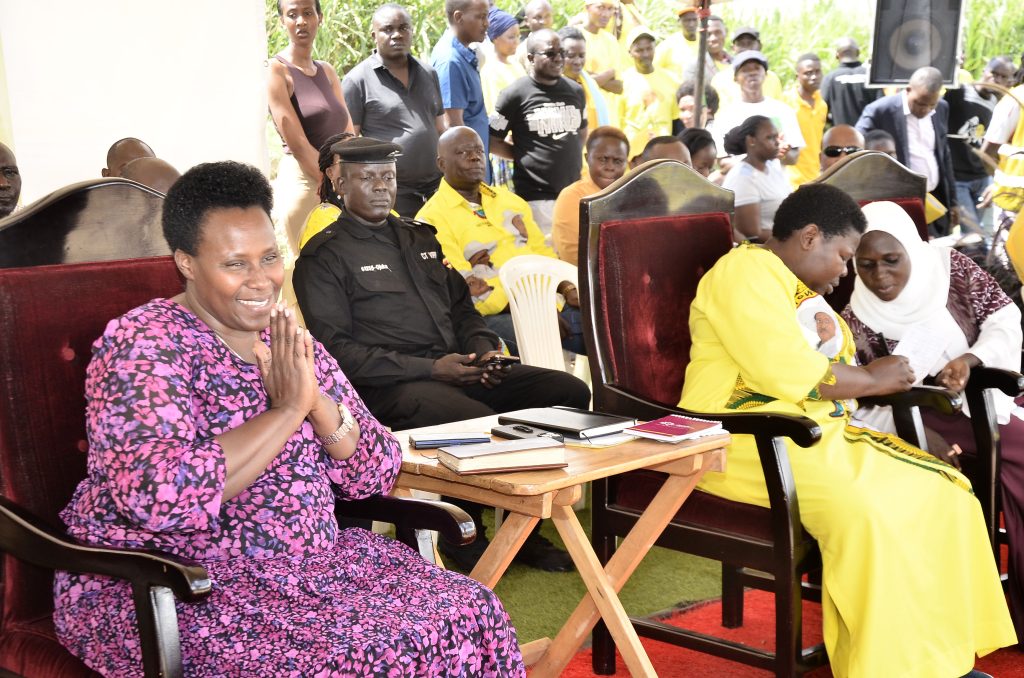
She urged local leaders to verify who is benefiting, who is excluded, and why awareness is low, warning that many urban communities continue to miss out simply because no one explains the programmes to them.
Barekye’s intervention reflects a broader challenge: in Kampala, government achievements often go unnoticed or unacknowledged, overshadowed by opposition messaging or public frustration over service delivery.
Her argument suggests that the NRM sees improved communication, not just new programmes, as key to gaining traction in the city.
Opposition factor
Kampala remains the heart of Uganda’s political opposition, especially for the National Unity Platform (NUP) led by Robert Kyagulanyi Ssentamu, also known as Bobi Wine.
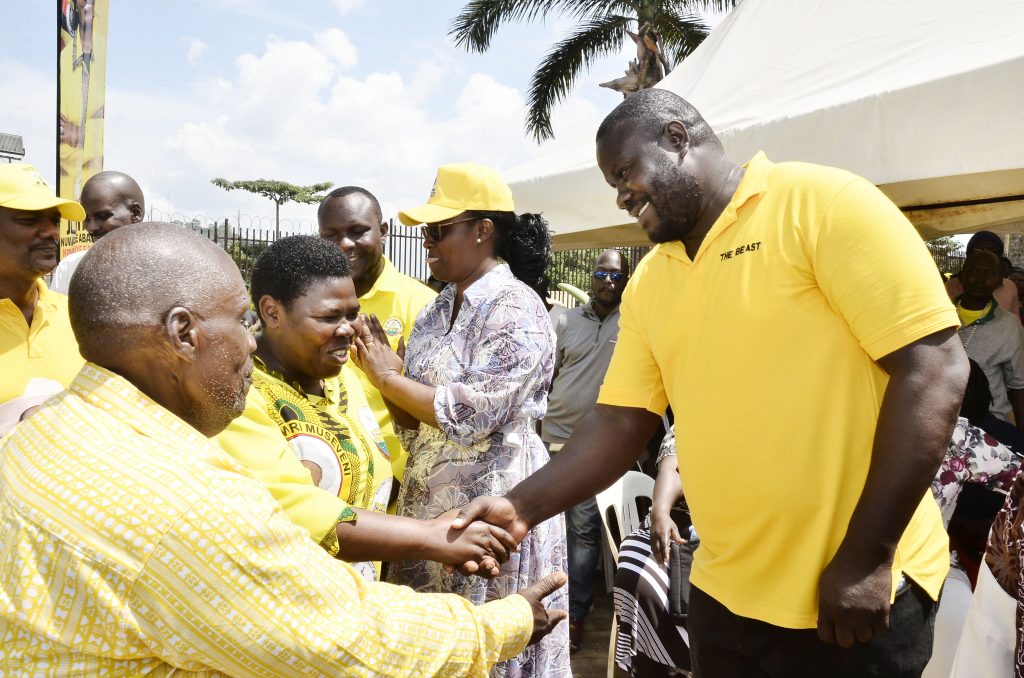
In 2021, NUP swept virtually every parliamentary and local council seat in the capital, demonstrating overwhelming urban discontent toward the ruling party.
This trend puts NRM’s mobilisation ahead of the 2026 polls into sharper focus.
The party’s efforts in Kampala are not merely about regaining seats, they are about reversing a deep political narrative: that NRM does not understand or represent urban voters.
President Museveni faces seven challengers in 2026: Kyagulanyi (NUP), Gen. Mugisha Muntu (ANT), Nandala Mafabi (FDC), Mubarak Munyagwa (CMP), Frank Bulira Kabinga (RPP), Joseph Mabirizi (CP), and Kasibante Robert (NPP).
But in Kampala, the real contest for the NRM is unmistakable: breaking NUP and general opposition’s dominance.
The NRM’s new strategy, forgiveness, reconciliation, grassroots mobilisation, is designed with that rivalry in mind.
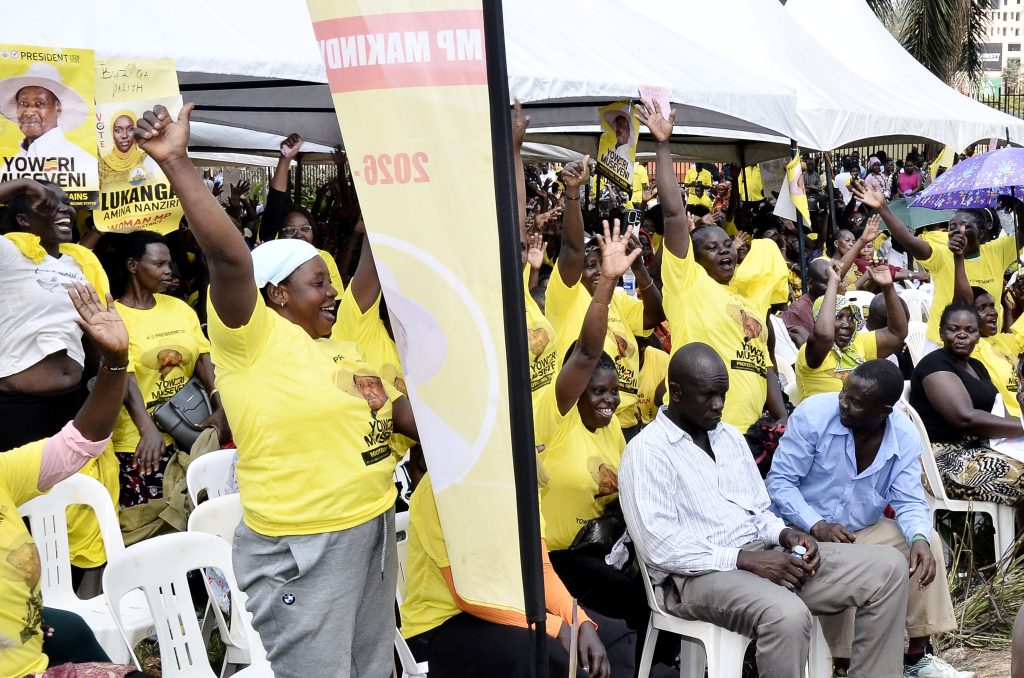
Amina Lukanga Nanziri, the party’s flag bearer for Kampala Woman MP, echoed the leadership’s sentiment, arguing that the neglect of local structures contributed significantly to past losses.
She believes that empowering these structures will change voter perception and energize grassroots mobilisers who had long felt sidelined.
“The 2026 election must be our turning point in Kampala,” she said.
While the NRM’s renewed emphasis on unity and reconciliation marks an important shift, analysts note that Kampala presents unique political complexities. Urban voters are younger, more vocal, and more likely to vote based on service delivery concerns rather than party loyalty.
Many are self-employed, involved in informal economies, or facing economic challenges that programme awareness alone cannot resolve.
The NRM’s strategy may improve internal organization, but will it shift voter sentiment in a city that has overwhelmingly supported opposition candidates for over a decade?
As the countdown to January 15, 2026 intensifies, Kampala has become the symbolic and strategic battleground that will test the NRM’s adaptability.
The mobilisation meetings may have marked a turning point, but the real test lies in execution, ensuring that the reconciled structures, the new messaging, and the development narratives actually resonate with voters.
If the party succeeds in presenting a united front and reconnecting with the grassroots, Kampala could witness a more competitive political contest.
If it fails, the capital may once again affirm its position as the stronghold of the opposition.